
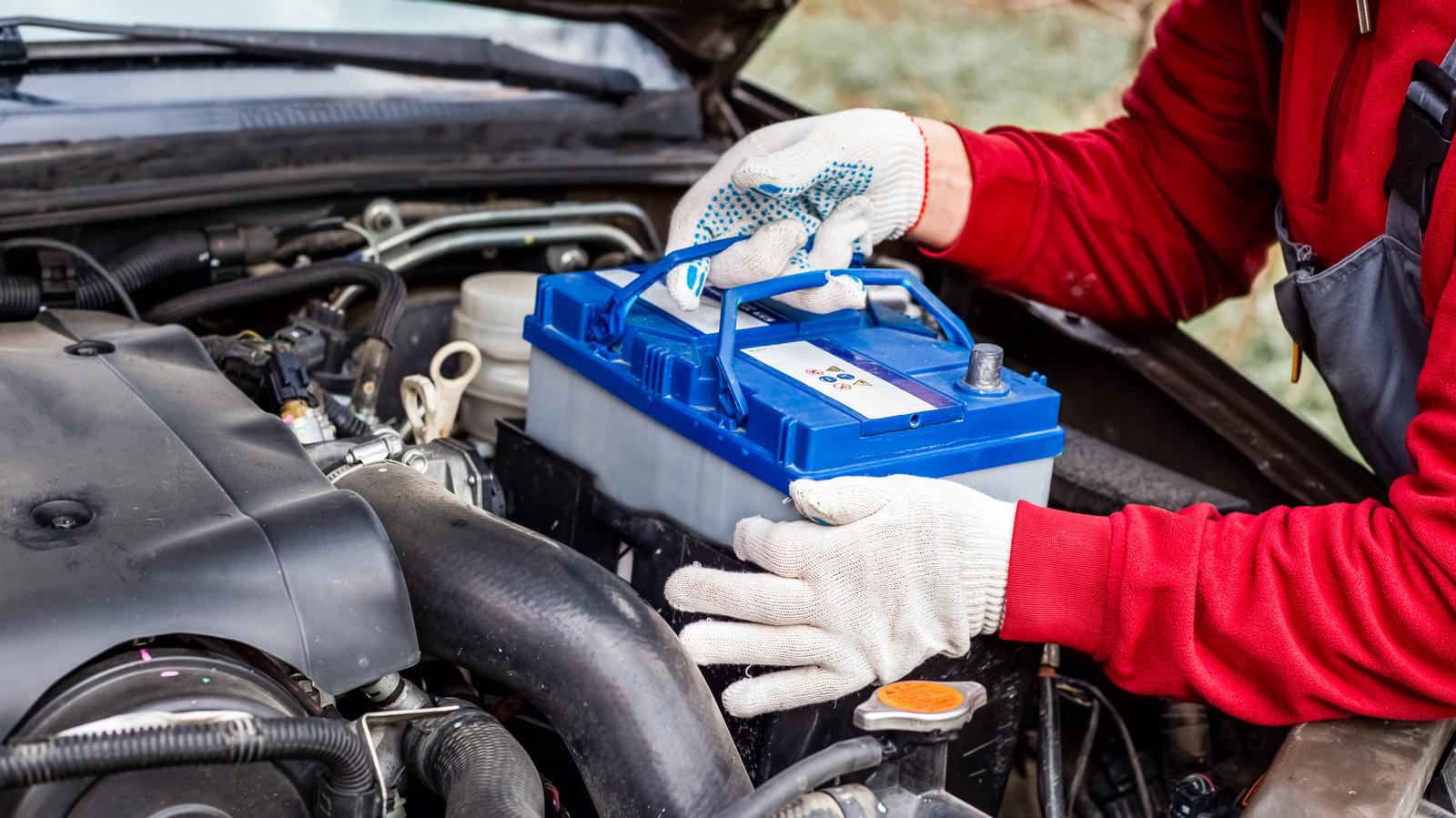
Car batteries look ordinary enough sitting under a hood, but they can turn ugly fast when something goes wrong. The real danger is not just a quick shock, but the acid, gases, metal reactions, burns, and even fire risks packed into that little box.
Most vehicles still rely on lead-acid batteries, even as AGM designs have become more common in newer setups. AGM batteries are often praised for being tougher and less messy, but the classic lead-acid version is still the one most people deal with, and it carries the sharpest hazards. The trouble is that a battery can seem harmless right up until a crack, leak, spark, or bad connection changes the whole scene.
The first thing that can hurt you is sulfuric acid, which sits inside the battery as a diluted solution. Even diluted, it is still corrosive enough to burn skin, damage metal, and make a real mess if the casing fails or tips over. It can also cause serious injury if inhaled or swallowed, and contact with it is painful almost immediately.
That corrosive edge is not just theory. A battery leak can eat through nearby metal over time, which is why a damaged battery should never be ignored, even if the car still starts. Once acid escapes, it can spread damage far beyond the battery tray and leave behind a nasty cleanup.
Lead is another major concern, since it plays a central role in how the battery stores and releases energy. On its own, lead is already a health hazard, and once a battery is cracked or poorly handled, that risk can move into the real world fast. The danger grows when old batteries are broken down or recycled the wrong way, because lead exposure can affect workers, families, and the environment around them.
That is why old batteries should always go to a proper recycling point instead of sitting in a garage or backyard. Tossing one aside is not harmless clutter, and letting it deteriorate only increases the odds that toxic material will get out. The smart move is to treat a used battery like hazardous waste, not scrap metal.
Then there is hydrogen sulfide, the rotten-egg gas that can come from a failing battery. It is invisible, nasty, and dangerous, which makes it especially tricky because a person may notice the smell before realizing the risk. Breathing enough of it can lead to headaches, dizziness, and in severe cases, far more serious outcomes.
Even though hydrogen sulfide poisoning from a car battery is rare, rare does not mean impossible. If a battery smells foul, that is not a normal quirk to shrug off, and it is not a scent to stand around and investigate. A weird odor under the hood is a warning sign, plain and simple.
Electricity gets most of the attention, but the bigger surprise is how a battery can cause burns without even shocking someone in the usual sense. A battery can heat metal objects very quickly if a conductive item bridges the wrong points, and jewelry is a classic problem. Rings, watches, and tools can turn into instant hot spots.
That kind of contact burn can be brutal. A wrench touching the wrong terminal while a ring completes the circuit can lead to a deep injury in seconds, and the damage may be severe enough to need grafting or long healing time. Working on a car with bare hands and metal jewelry is a bad mix that can go sideways fast.
Fire and explosion are the most dramatic risks, and they are the ones that grab attention for good reason. Hydrogen sulfide is flammable, and the chemical makeup inside the battery can help feed a fire if conditions line up the wrong way. A tiny spark from a tester, tool, or loose connection can be enough to set off a violent reaction.
That is why battery work deserves respect, even on a routine maintenance day. A quick look for leaks, swelling, odd smells, or damaged terminals can reveal a problem before it becomes a headache, or worse. Handling the battery carefully, keeping sparks away, and getting rid of old units the right way makes a lot more sense than learning the hard way.
