
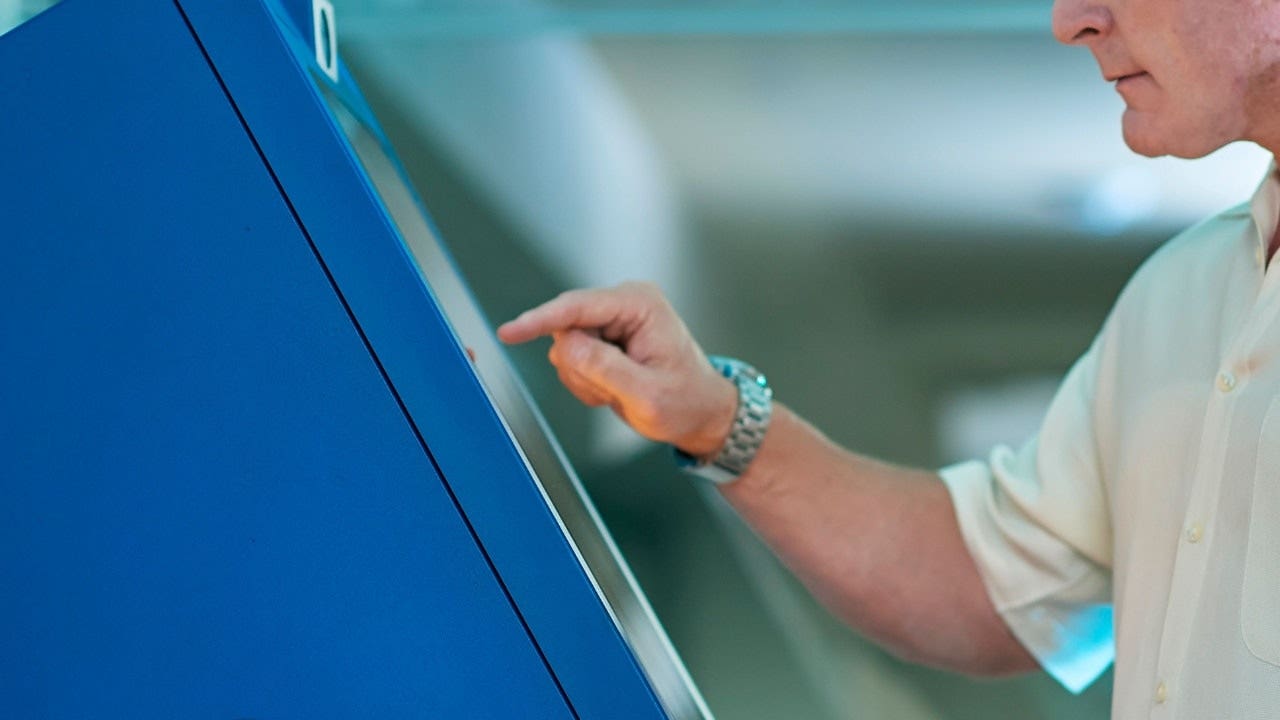
Minnesota has moved to ban public crypto ATMs after a string of scams used those machines to convert frightened victims’ cash into digital currency in minutes. This article explains why state officials acted, how the scams work, who’s most at risk, and practical steps people can take to avoid becoming the next target.
The ban begins Aug. 1, 2026, with operators required to remove machines from public access by year’s end. Officials say criminals exploit the speed and anonymity of these kiosks to force quick payments during fake emergencies. The goal is simple: remove the instant cash-to-crypto route that scammers rely on.
Between 2023 and 2025, state complaints tied to crypto kiosks numbered in the triple digits and reported losses approached one million dollars. In 2025 alone, Minnesota logged roughly 70 cases and more than half a million in losses. Those figures likely understate the problem because many victims never report what happened.
States tried warnings, caps, and consumer protections, but scammers adapted fast. They coached victims through the machine screens, stayed on the phone, and fed cover stories to keep transactions moving. Removing the machines is Minnesota’s attempt to take away one of their sharpest tools.
These kiosks are attractive to criminals because they accept cash, convert it instantly, and make recovery extremely difficult. Traditional banking transactions can sometimes be paused or reversed, but crypto transfers often slip across wallets and borders before anyone can act. That quick window is precisely what the fraudsters count on.
Most of these scams begin with pressure. A caller claims a missed jury summons, a loved one in trouble, or a hacked bank account and insists payment must be immediate. The story changes, but the tactic is the same: create panic, isolate the victim, and force a rushed cash withdrawal sent through a kiosk.
Then comes the technical part: a QR code, wallet address, and nonstop coaching. Scammers instruct victims to ignore on-screen warnings and to keep their heads down while taps turn cash into cryptocurrency. That is why even clear machine alerts often fail to stop a desperate person who believes they are saving someone.
“Sign up for my FREE CyberGuy Report”
Real stories bring this into focus. Gail Barr lost $9,260 after being convinced she missed jury duty and driven to a Bitcoin ATM, and a bank manager later helped limit the damage. An 85-year-old man was pulled into a fake PayPal refund scheme that escalated from a crypto ATM transfer into far greater losses. These cases show how scammers keep pushing until fear, trust, or isolation breaks a person’s judgment.
The national data is stark. Law enforcement reports show thousands of complaints involving crypto kiosks and hundreds of millions in reported losses. More than half of those hit are over 50, which highlights how scammers prey on older adults who may answer unknown calls more often or feel a strong urge to help family members.
Prevention focuses on slowing everything down. No legitimate police force, court, government agency, bank, or company will demand payment through a crypto ATM. If someone demands crypto, hang up immediately, find a trusted number, and verify the situation before taking any step with your money.
Practical habits help too. Ask for a family code word before taking action if someone claims a loved one is in trouble. Tell your bank before you withdraw large sums, and know that a single question from a teller can snap someone out of panic. Consider data removal services if you worry about personal information being widely available.
Technical defenses matter as well. Strong antivirus software and cautious browsing can block phishing pages and malicious downloads that start some scams. If you’ve already shared information or sent money, contact local law enforcement, your state consumer office, and the FBI’s Internet Crime Complaint Center to report the incident quickly.
Minnesota’s ban doesn’t end cryptocurrency use, but it removes one of the fastest ways for fraudsters to turn cash into untraceable crypto. Other states are watching, and lawmakers may follow if the ban reduces reported losses. The bigger point is this: when fear is the engine of a demand, slowing the moment down can stop a crime before a payment is made.
