
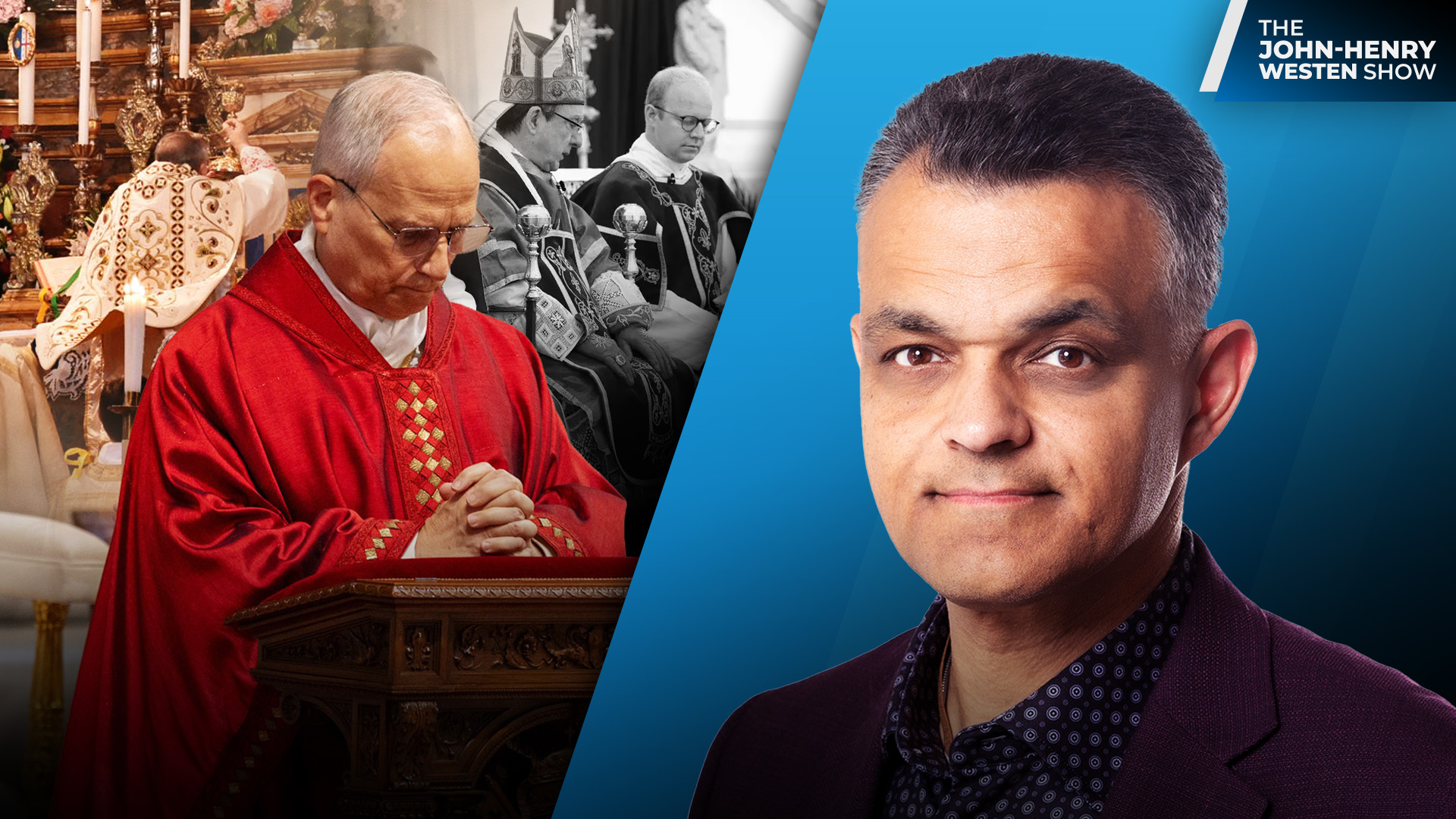
Professor William Thomas says Rome would have had to pay attention if the SSPX had consecrated a much larger group of bishops, a claim that puts a sharp spotlight on just how much leverage the traditionalist movement really had. In his view, the recent consecrations mattered, but not enough to force the Vatican into serious talks. That tension runs through the whole discussion, along with a blunt warning that the fight is about doctrine, not just liturgy.
Thomas, who is a Vatican theologian and a classmate of Pope Leo XIV, argues that the Latin Mass is not the real problem. The deeper issue is whether the Church is willing to confront doctrinal confusion instead of treating traditional Catholics like a disciplinary problem that can be managed away. He sees the Vatican’s posture toward the SSPX as more punitive than pastoral, and that choice, he suggests, only hardens the divide.
From there, the conversation moves into the wider crisis facing the Church, especially the synodal project and its push to bring non-Christian religions into the process. Thomas says that kind of approach clashes with the Church’s mission to evangelize, because it blurs the line between apostolic truth and a vague religious experiment. In his eyes, synodality risks becoming a system that prizes process over clarity and leaves the faithful with slogans instead of substance.
The criticism is not aimed at dialogue itself so much as at dialogue without a center. If the Church stops speaking plainly about truth, Thomas argues, it loses the very thing that gives dialogue meaning in the first place. That is why he treats doctrinal confusion as a more serious problem than arguments over vestments, rubrics, or calendar dates.
That point lands hard because the traditional liturgy still carries real weight for many Catholics who feel spiritually adrift. Thomas praises the older form of worship and rejects the idea that suppressing it would somehow heal the Church’s deeper wounds. The liturgy matters, but it is not a substitute for settled teaching, and trying to solve a doctrinal crisis with liturgical pressure only papers over the real mess.
He also suggests that the Vatican’s reaction to traditionalist resistance has sent the wrong message. Instead of opening space for honest engagement, the hierarchy has too often seemed eager to enforce discipline first and ask questions later. That approach may quiet dissent for a moment, but it rarely wins trust, and trust is exactly what the Church needs when confidence is already shaky.
The SSPX angle makes the whole debate even more interesting because it raises a simple counterfactual with big implications. If the movement had consecrated dozens more bishops, would Rome have finally had to sit down and talk? Thomas thinks so, and the claim exposes a hard reality: institutions often move only when they feel real pressure.
That is part of what gives the discussion its edge. It is not just about one society of priests or one internal Church dispute, but about how authority responds when tradition refuses to disappear quietly. The result is a clash between a hierarchy that wants control and a movement that believes fidelity cannot be negotiated down to something harmless.
What makes the exchange so striking is the way it ties together liturgy, doctrine, and Church governance without treating any of them as isolated issues. The old Mass, the SSPX, and the synodal project all sit inside the same broader argument over what the Church is for and where it is headed. For Thomas, the answer is obvious enough: if the Church stops preaching the faith with confidence, every other reform starts to feel like a detour.
That is why the debate keeps circling back to truth, not technique. The Church can rearrange meetings, rename processes, and fine-tune its public image, but none of that settles the question of whether it still believes what it has always taught. Until that is addressed, every new initiative will keep running into the same wall, and the argument will stay very much alive.
