
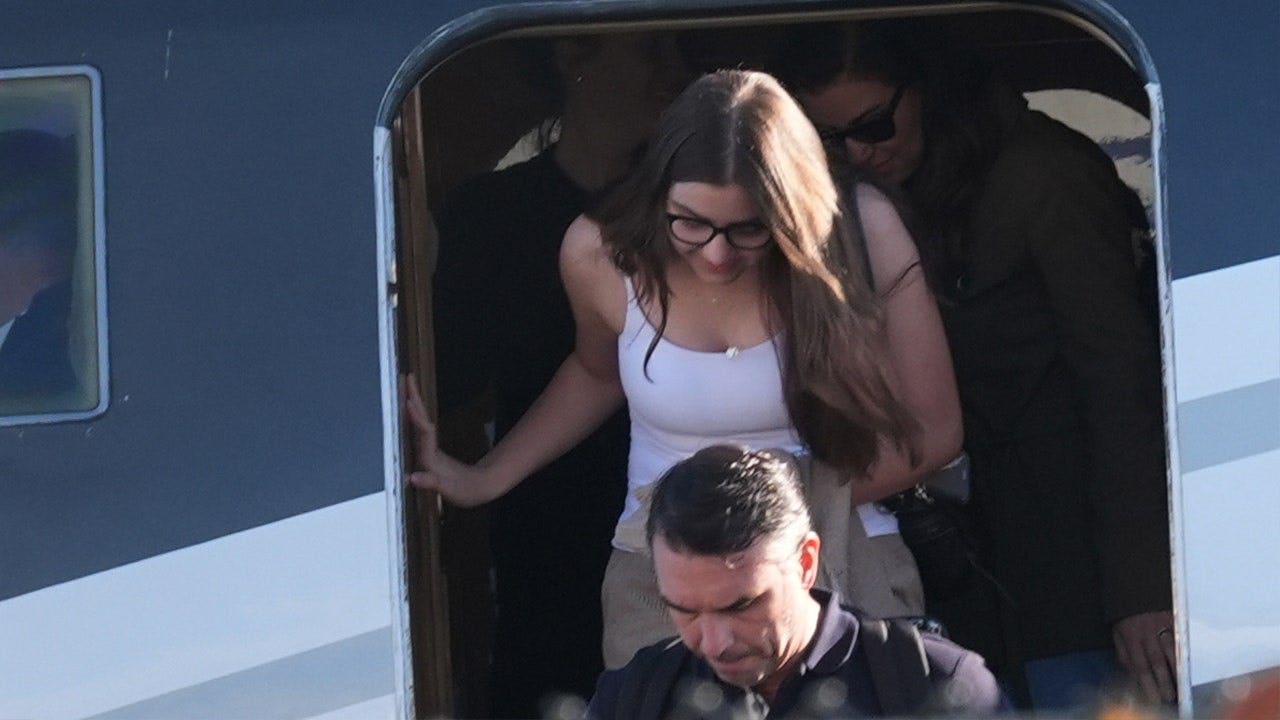
Flávio Bolsonaro’s sudden arrival in Florida has kicked off a fresh political storm in Brazil, with the defeated senator presenting himself as the real leader of the country while accusing rivals of stealing the election. The move came after Brazil’s top court ordered his passports seized, and it quickly pulled Washington into the fight once President Trump approved visas for Bolsonaro and his family.
Bolsonaro landed near Miami after a tense post-election sequence that left supporters furious and critics just as determined to push back. His choice to leave Brazil after being told to surrender his documents gave the episode an even sharper edge, turning a political defeat into a full-blown international spectacle.
In a letter posted on X, Bolsonaro told his backers, “I want to say, not only to my 60 million voters but to the Brazilian people, that I am the leader and that the criminals who stole Brazil’s election are part of a criminal organization that has established a tyranny,” he said in an open letter posted on X. That kind of language does not exactly calm things down, and it shows just how combative the post-election mood has become.
He later shifted from calling himself “the elected president” in a deleted post to describing himself as Brazil’s rightful “leader.” That kind of public reset suggests he was not just reacting in the moment, but trying to shape the story after the fact and keep his political base fired up.
The legal pressure built fast. Bolsonaro said he was ordered to hand over his passports and barred from leaving the country, and the order was signed by Supreme Court Justice Alexandre de Moraes, a figure many of Bolsonaro’s supporters already see as aligned with Lula.
Trump, for his part, did not hide his view of the situation. When asked if Bolsonaro should be allowed into the United States, he said he would approve it and added, “I think they’re fine people.”
Trump also called Brazil’s election “very strange” and said, “And I thought it was terrible. It’s gotten bad reviews. You look at what happened to their market.” Those comments matter because this is not just about one politician changing countries, but about how the result in Brazil is being interpreted by major players on the right.
The market reaction added even more fuel to the fire. Brazil’s benchmark index fell hard after Lula’s victory, and the real also took a deep hit, making the economic fallout part of the political argument almost immediately.
Bolsonaro’s trip itself looked like a hurried escape route through multiple countries before reaching Florida. Brazilian authorities said the family passed through Argentina with valid travel documents and no legal hurdle, then continued through Ecuador before boarding a private flight to the United States.
Lula did not mince words about the departure, calling it “a shameful act.” That kind of response keeps the fight alive and underlines how personal the clash has become between Brazil’s left-wing president and one of his most aggressive critics.
Bolsonaro pushed back on the idea that he fled, saying he left to protect himself and his family and insisting he was not abandoning the Brazilian people. “I want to make this clear: I did not flee Brazil,” Bolsonaro said. “I left Brazil, but I did not abandon the Brazilian people.”
At the same time, Bolsonaro was already under multiple criminal investigations tied to allegations of money laundering, corruption and tax evasion, which only deepened the political and legal cloud hanging over him. Brazil’s Supreme Court also ordered a probe into alleged foreign funding for his campaign, including questions involving a conservative donor network linked to Vice President JD Vance.
For now, Bolsonaro is in Florida, Trump is standing by the visa decision, and Brazil is left with another ugly fight over legitimacy, power, and whether the country’s institutions are being used as weapons. With both governments and both camps digging in, this one is nowhere near cooling off.
