
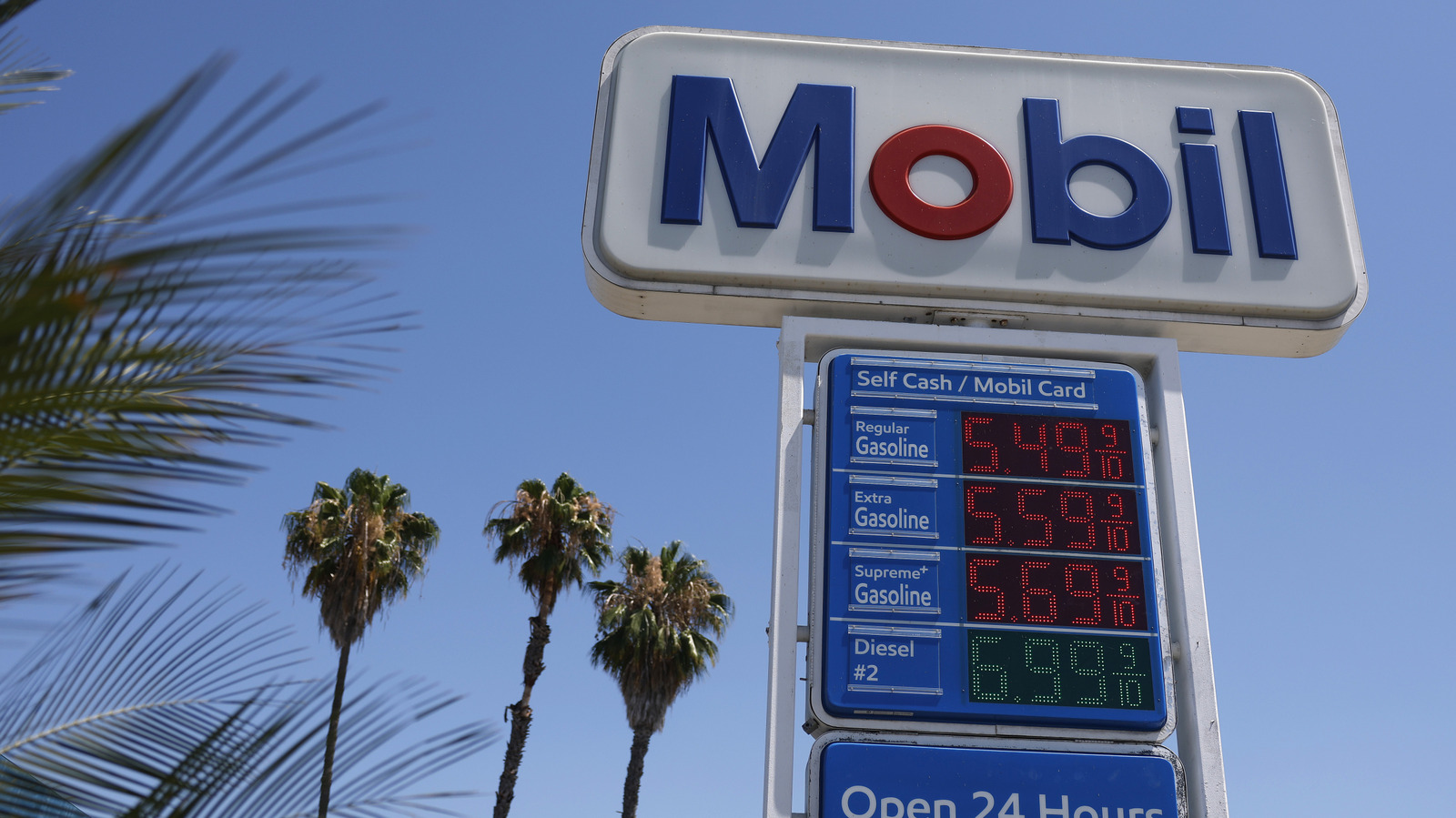
A new lawsuit claims artificial intelligence played a role in keeping California pump prices higher in 2026, and this article breaks down how that could happen, what it means for drivers, and what regulators might do next. It looks at pricing mechanics, the legal arguments on the table, and the possible ripple effects for consumers and retailers. The goal here is to give a clear picture of the allegation without sensationalizing the story.
Drivers in California have felt pain at the pump throughout 2026, and the lawsuit pins part of the blame on algorithm-driven pricing systems. The complaint argues these AI tools can coordinate prices indirectly by reacting to market signals in the same way, producing a de facto alignment without any explicit agreement. That raises fresh questions for antitrust law, which traditionally targets human agreements, not autonomous software behaviors.
At its core the case leans on the idea that pricing algorithms can make competitive markets act less competitive. These systems scan huge amounts of data and adjust prices in real time to maximize revenue or margins. When multiple retailers use similar models and training data, their automated moves can converge, leaving consumers with uniformly higher prices even when no one picked up the phone to collude.
From a technical perspective, AI pricing tools work by optimizing for goals set by humans, like profit or market share. They respond to competitor prices, supply changes, and demand signals, often in milliseconds. That responsiveness is efficient in normal markets, but it can also create feedback loops that stabilize prices at a higher level than traditional competition would allow.
Legally, the complaint will face two big hurdles: proving intent or a form of coordination, and showing causation between the AI behavior and consumer harm. Courts have struggled with algorithmic cases before because the software lacks the human intent that typical antitrust claims target. Plaintiffs will likely rely on patterns, expert testimony, and forensic examination of code and training data to build their case.
Regulators and lawmakers are already watching algorithm-driven pricing closely, and this lawsuit could accelerate policy moves. Potential responses include clearer guidance on liability for automated systems, enforcement actions aimed at business practices that facilitate coordination, and new rules demanding transparency about how pricing models work. Policymakers will have to balance protecting consumers with not stifling legitimate innovation that can lower costs in other areas.
For gas station owners and retailers, the case highlights operational risks tied to third-party software and in-house AI systems alike. Companies may need to review contracts, compliance checks, and the guardrails they build into pricing models. Some businesses might add human oversight or constraints to prevent problematic pricing behavior, while others could face increased litigation or regulatory scrutiny.
Consumers are the immediate concern. Higher fuel prices affect household budgets and can ripple through the economy via higher shipping and goods costs. If courts or regulators find that AI-driven pricing produced unlawful outcomes, consumers could see changes in how retailers set prices and possibly restitution in affected markets.
Experts warn there is no simple fix that applies across every industry or product. Solutions might include technical safeguards like randomness or rule-based constraints, legal standards that clarify responsibility, and better market monitoring to detect suspicious patterns early. Any effective approach will need cooperation among technologists, businesses, and regulators to prevent harm without halting useful automation.
The California case will be watched widely because it could set precedents for how algorithmic conduct is treated in the years ahead. Whether the courts accept the legal theories in this suit or not, the dispute forces a conversation about accountability when software starts making market-shaping decisions. For now, drivers will keep an eye on prices and policymakers will be under pressure to respond.
