
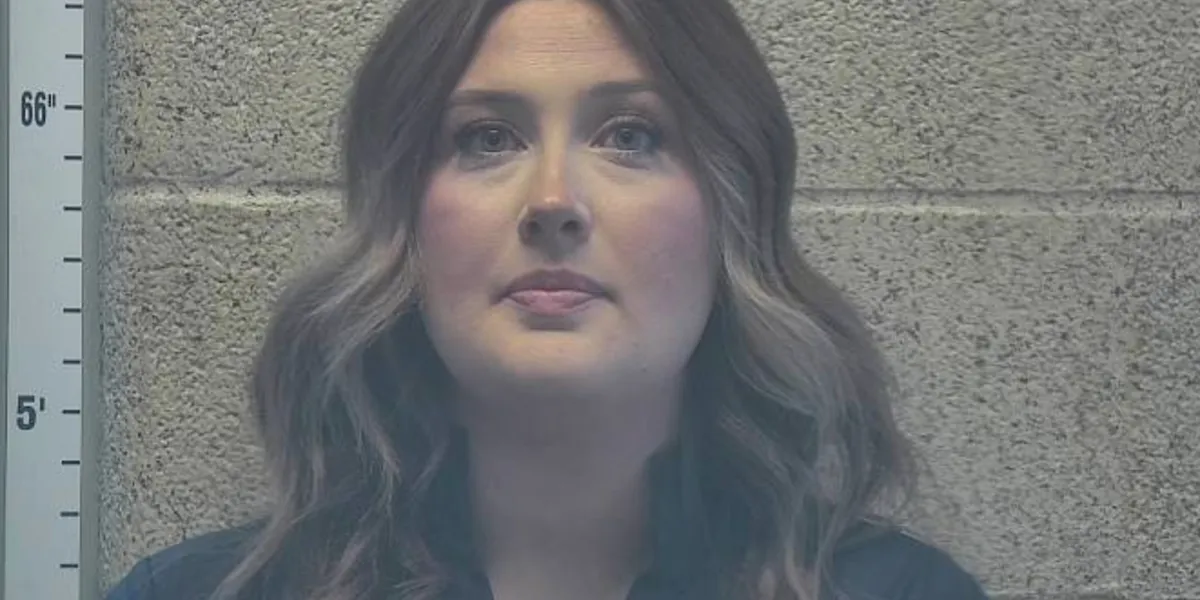
A Kentucky teacher’s guilty plea has put a troubling school scandal back in the spotlight, with the case carrying consequences that stretch far beyond the courtroom. The agreement closed one chapter, but it also left behind a permanent mark that will shadow the rest of her life.
The case centers on Rachel Clement, who was accused of sending sexually explicit messages to a student. The allegations rattled the community and quickly turned into a serious criminal matter, with law enforcement treating the situation as more than a private lapse in judgment.
What made the case hit especially hard was the age and trust imbalance at the center of it. Teachers hold a position built on authority, stability, and protection, and when that trust is broken, the fallout spreads fast through the school, the family, and everyone tied to the district.
Clement ultimately entered a guilty plea, ending the uncertainty that usually hangs over cases like this. Plea deals often spare both sides from a long trial, but they also lock in a judgment that can carry lifelong consequences, including stigma, professional ruin, and restrictions that do not fade with time.
In cases involving a student and a teacher, the legal system tends to move with a sharp edge. Even when the details stay confined to court records, the public nature of the charge alone can demolish a career and leave a lasting stain on a person’s record and reputation.
The criminal side is only part of the story. School-related sex abuse cases can trigger policy reviews, internal investigations, and deeper questions about how warning signs were handled before things reached the point of arrest and plea negotiations.
Communities often struggle with these cases because they force two realities to collide. There is the need to protect students at all costs, and there is the blunt understanding that adults in trusted positions can abuse access in ways that are hard to detect until damage has already been done.
That is part of what makes these stories linger. They are not just about a single bad decision, but about the breach of a duty that is supposed to keep young people safe in one of the places where they should feel most secure.
Once a plea is entered, the language of the case can sound clinical, but the impact is anything but. A guilty plea can close the legal file, yet it also opens the door to consequences that reach into employment, licensing, background checks, and the wider public record for years to come.
For students and families, the message is often unsettling but clear. Schools depend on trust, and when that trust is shattered by a teacher’s conduct, the damage does not stay neatly contained inside the walls of a courtroom or a classroom.
The case involving Clement now sits in that uncomfortable space where legal resolution meets public fallout. A plea deal may have brought an end to the fight over charges, but the consequences attached to the case are the kind that do not go away quietly.
