
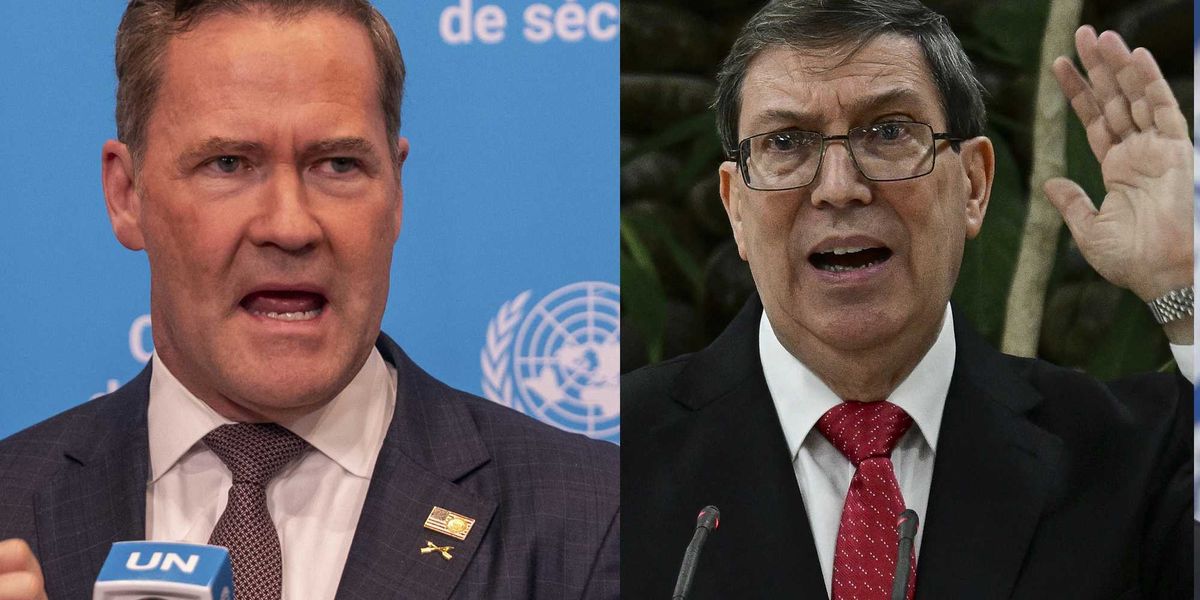
The moment at the United Nations turned tense fast when a Cuban delegation tried to interrupt a speech and the U.S. ambassador shut it down on the spot. What followed was a sharp reminder that diplomatic theater can get loud, messy, and very real when America and Cuba end up in the same room.
At issue was a familiar clash of ideology and posture, with the ambassador refusing to let Cuban officials steer the exchange. The confrontation landed with extra force because it came in front of an international audience that was already tuned in for friction, not friendship.
The ambassador was in the middle of speaking when Cuban representatives pushed to break in, but they did not get the opening they wanted. Instead, the response came back hard and immediate, making it clear that the U.S. side was not interested in being lectured or interrupted.
“Back away! This isn’t Havana!”
That line cut through the room and made the mood unmistakable. It was blunt, packed with edge, and aimed straight at the idea that Cuba could muscle into a U.N. setting and set the tone.
The exchange reflected a broader strain that has long defined U.S.-Cuba relations. Every encounter seems to carry the same old baggage, from arguments over freedom and pressure to the constant battle over who gets to define the narrative.
At the United Nations, that kind of confrontation plays differently because every word gets magnified. A routine diplomatic moment can turn into a public showdown in seconds, especially when one side sees itself as correcting a hostile message before it spreads.
Supporters of the hard line saw the response as exactly what was needed. There is little patience for officials from a communist regime trying to crash a U.S. message and dominate a venue where they know full well they are not in control.
The Cuban interruption also highlighted how symbolic these moments have become. It was not just about one speech or one interruption, but about the larger contest over influence, legitimacy, and whether American representatives will be forced into silence by adversaries who thrive on spectacle.
That is why the ambassador’s tone landed so strongly. The language was not polished diplomatic fluff, and it was never meant to be. It was a line in the sand, delivered in public, where the message could not be mistaken.
In a setting built around protocol, the clash stood out because it broke protocol on purpose. The whole scene carried the feel of a warning shot, the kind that tells opponents their tactics may play elsewhere, but not there.
For anyone watching closely, the exchange said plenty about the current posture of U.S. diplomacy. It was assertive, unsentimental, and clearly unwilling to hand over the microphone to a regime that has spent decades projecting defiance while demanding respect.
The United Nations has always been a stage for high-stakes messaging, but some moments burn hotter than others. This was one of them, and the sharp back-and-forth made sure nobody in the room could pretend it was just another day of speeches and handshakes.
