
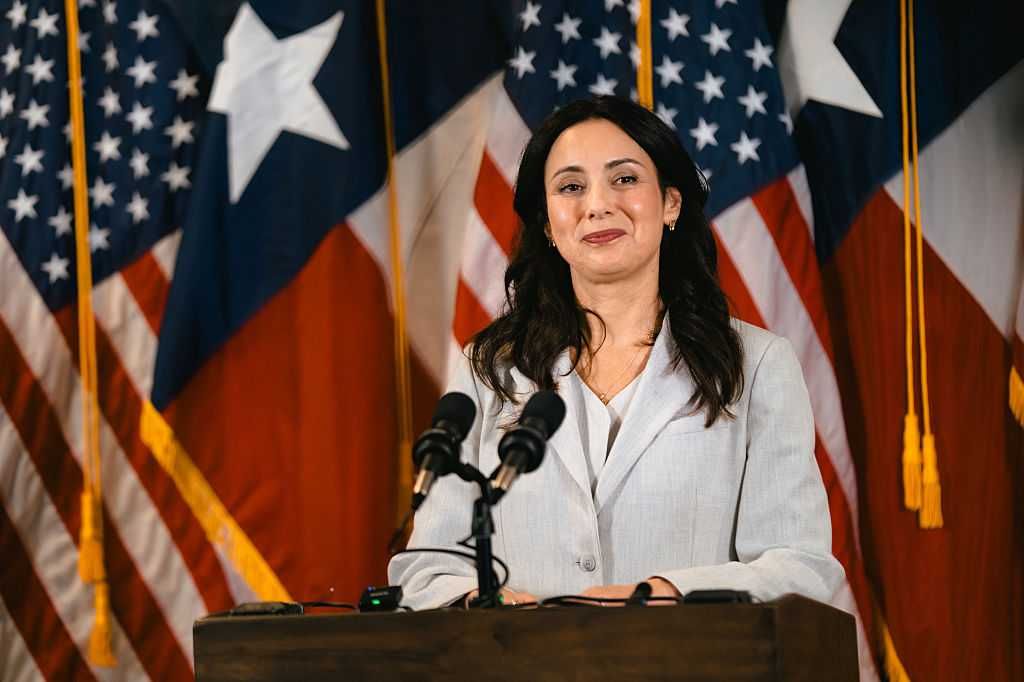
Texas is heading into a fresh political showdown over immigration enforcement, and the opening round is already in motion. Democrats are moving to roll back a 2025 law that requires certain sheriffs to work with Immigration and Customs Enforcement, putting border security and local enforcement cooperation right back at the center of the fight.
When bill filing opened November 9, State Rep. Trey Martinez Fischer and State Senator José Menéndez filed measures aimed at repealing the law tied to sheriff participation in ICE’s 287(g) program. That program lets specially trained local officers carry out limited federal immigration duties under ICE supervision, which has made it one of the key tools in Texas’ broader border strategy.
The repeal effort does not mean 287(g) partnerships would vanish overnight. Sheriffs could still sign up voluntarily, but the state mandate would be gone, along with the grants meant to help support those agreements. For agencies that have built parts of their enforcement approach around that cooperation, the difference could be significant.
Control of the Texas House is shifting to Democrats, while Republicans keep the Senate, which means any repeal still has a tough road ahead. Even so, the push matters because it shows how quickly border security policy becomes a target when the political balance changes.
Governor-elect Gina Hinojosa says border security still matters, and she has publicly acknowledged that the Biden administration fell short on the issue. That is not nothing, especially in a state where voters on both sides want secure borders, safe neighborhoods, and a system that actually works.
At the same time, Hinojosa draws a sharp line between border security and ICE enforcement inside the state. Her record reflects that split. In 2025, she voted against the 287(g) bill and against a measure that would have created a Homeland Security Division inside the Department of Public Safety, and in 2023 she opposed a bill creating state offenses for unauthorized border crossing.
Hinojosa has also said she does not think lawmakers have the votes to undo the sheriff-ICE requirement, and that may well be true. Still, the debate is bigger than one bill because it also points to how her administration might use the powers already on the books.
Local law enforcement leaders see the issue very differently. Goliad County Sheriff Roy Boyd has described 287(g) as an extra tool for deputies, especially when criminal networks and cartel activity spill across county and state lines. That view treats immigration enforcement as part of a wider public safety mission, not some separate political talking point.
The concern from repeal critics is straightforward: if the state steps back, some sheriffs will keep their agreements and others will walk away. Less participation could mean fewer trained officers, weaker information sharing, and more openings for smugglers to work around local agencies that no longer have the same support.
That is why supporters of the current law argue that the state should be careful before stripping away tools that already exist. Texas has poured billions into border operations and expanded cooperation between agencies, so the debate is not about whether the state should do nothing. It is about whether lawmakers want to keep strengthening the system or start tearing out pieces of it.
The broader lesson is that election results do not erase the need for enforcement. An election can change who holds the office, but it does not change the reality facing sheriffs, deputies, and families living near cartel routes and smuggling corridors.
Ammon Blair, a former Border Patrol agent and Texas Public Policy Foundation senior fellow, has said these responsibilities cross party lines. That idea lands because the stakes are plain enough already: protect communities, stop human trafficking, confront transnational criminal networks, and keep law enforcement focused on the job instead of political games.
What happens next will come down to negotiation, leverage, and how much each side is willing to concede. The new House, the Republican Senate, and a governor who says border security still matters will all have to live with the same basic reality: Texans expect action, not excuses, and they are watching closely as the fight over 287(g) heats up.
