
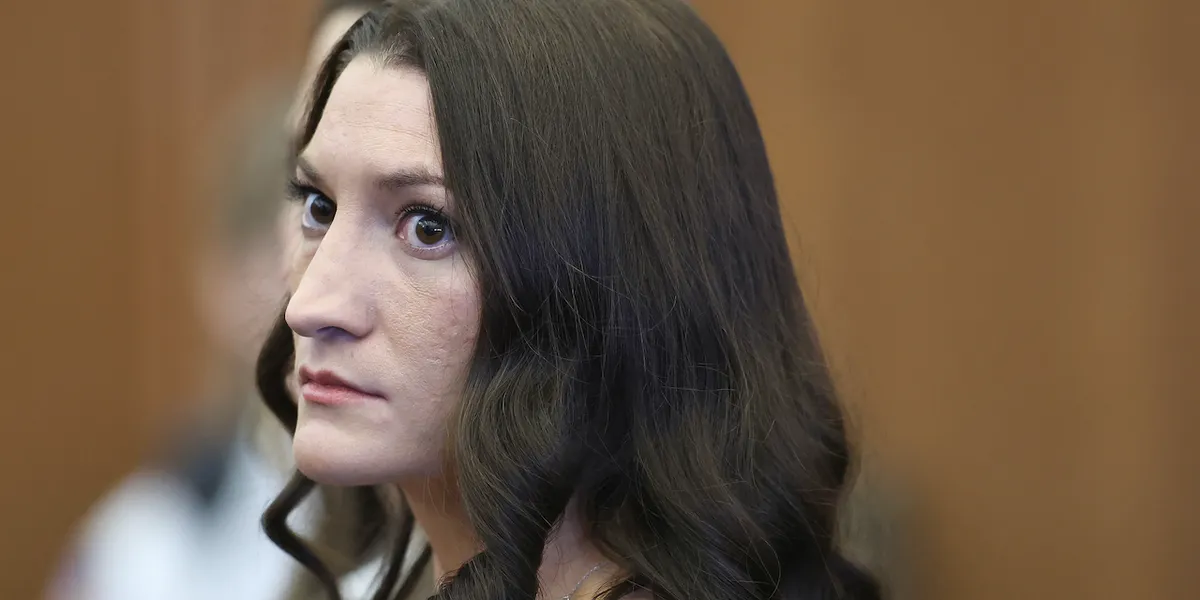
Lindsay Clancy is headed back into the courtroom, with a new trial now set in the heartbreaking case tied to the deaths of her three children in Massachusetts. The renewed legal fight keeps one of the state’s most wrenching criminal cases front and center, with questions about mental health, responsibility, and punishment still hanging over everything.
The case drew national attention from the start because of its raw grief and the scale of the tragedy. Three young lives were lost, and the details surrounding the killings have left the public, prosecutors, and defense side staring at the same ugly reality from very different angles.
Clancy has been closely linked to claims of postpartum psychosis, a mental health condition that has become central to how the defense has framed the case. That argument is expected to remain a major focus as the new trial approaches, with both sides likely to dig in hard over what she knew, what she understood, and what responsibility should look like under the law.
Cases like this tend to split people fast. Some focus on the devastating loss and want the harshest possible punishment, while others point to the terrifying complexity of severe mental illness and the way it can distort a person’s grip on reality.
In Massachusetts, the legal process will have to sort through all of that with cold precision. The courtroom may be full of emotion, but the outcome will depend on evidence, expert testimony, and how jurors take in the competing stories about Clancy’s state of mind at the time of the killings.
That is what makes the new trial so heavy. It is not just about reliving a tragedy, but about deciding where the law draws the line when a parent, a diagnosis, and an irreversible act collide in the worst possible way.
Public interest is likely to stay high because the case reaches beyond one family and one town. It taps into bigger fears about child safety, untreated illness, and how much warning can really be seen from the outside before a disaster happens.
The issue of postpartum psychosis can be especially difficult for people to process because it is both real and rare, and it does not fit neatly into everyday assumptions about motherhood or violence. That tension has helped make the Clancy case so widely discussed, since it forces a brutal conversation that many would rather avoid.
Even with the legal arguments still ahead, the emotional damage is already permanent. The children are gone, the family is shattered, and every new court date brings the story back into public view with the same painful force.
What happens next in the courtroom will matter far beyond the immediate case file. The trial will test how the justice system handles a nightmare that sits right at the intersection of grief, psychology, and accountability, and every witness and expert will be pulled into that collision.
