
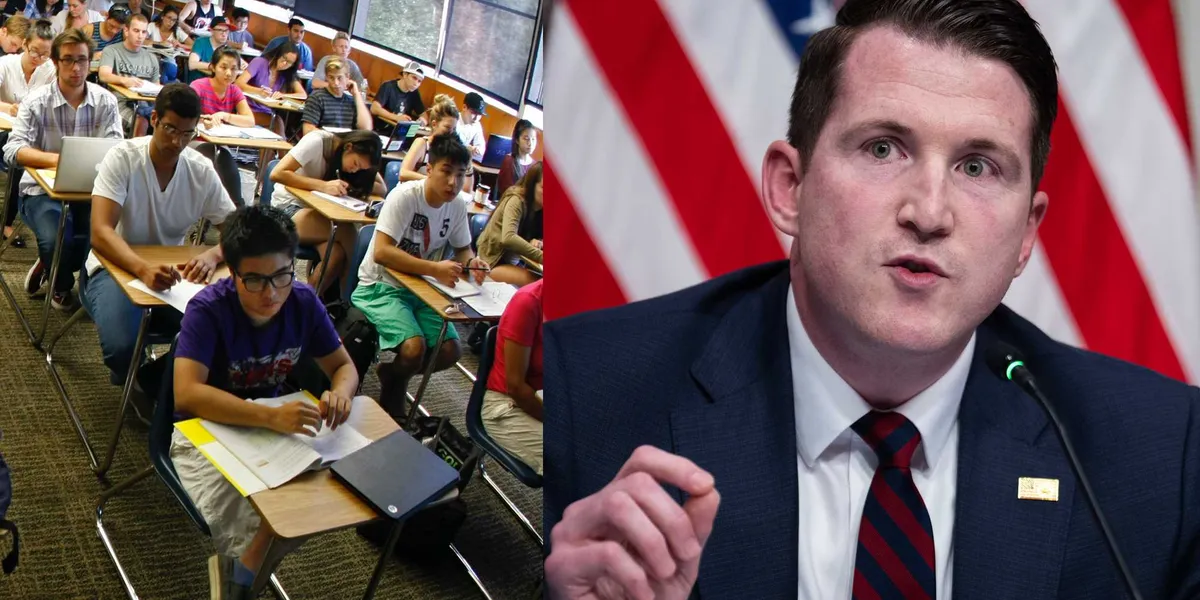
Federal prosecutors say a sprawling student aid scheme unraveled after investigators traced fake enrollments, phantom attendance, and money flowing through a Kenyan community network. The case has put a bright spotlight on how easy it can be to game systems built on trust, and how hard it is to catch fraud once it gets rolling.
The allegations center on what officials describe as “ghost students,” people who never showed up for class but were listed on paper as if they did. That kind of setup can trigger financial aid payments, inflate enrollment counts, and divert public money into the wrong hands before anyone notices the numbers do not add up.
The investigation points to a scheme that stretched beyond a single classroom or a single school. Prosecutors say the operation leaned on organized coordination, with names, paperwork, and enrollment records used to make nonexistent students look real enough to fool the system.
What makes the case sting is the setting. Education programs are supposed to open doors, not become cash machines for fraud, and when that line gets blurred, the damage ripples out fast through taxpayers, students, and the schools trying to do things the right way.
Officials have described the bust as a warning shot to anyone tempted to treat federal aid like an ATM. Once fraud gets baked into admissions, attendance, and payment records, it can spread quickly, especially when institutions rely heavily on paperwork and spot checks instead of deeper verification.
The larger concern is not just the money lost today. Cases like this can distort enrollment data, weaken confidence in schools, and make it tougher for legitimate students to get the support they need when the system is busy cleaning up someone else’s mess.
For law enforcement, the challenge is tracking how the scheme was built and who benefited from it. That means following the trail from enrollment forms to aid disbursements, then connecting the dots between people who may have played different roles in keeping the scam alive.
Prosecutors are also signaling that this is not the kind of fraud that gets brushed off as a paperwork error. When fake students are used to pull real money, the case crosses into deliberate theft, and the response tends to be sharper once investigators can show the operation was coordinated.
The fallout could reach beyond the immediate defendants if investigators keep digging. In a case like this, schools, administrators, and related programs often face pressure to tighten oversight, review old records, and prove they were not asleep at the wheel while the scheme was running.
That is where the story lands with a hard edge. A system designed to help real students move forward was allegedly twisted into something else entirely, and now the focus is on who knew what, who signed off, and how a web of fake enrollments was able to last long enough to draw federal attention.
