
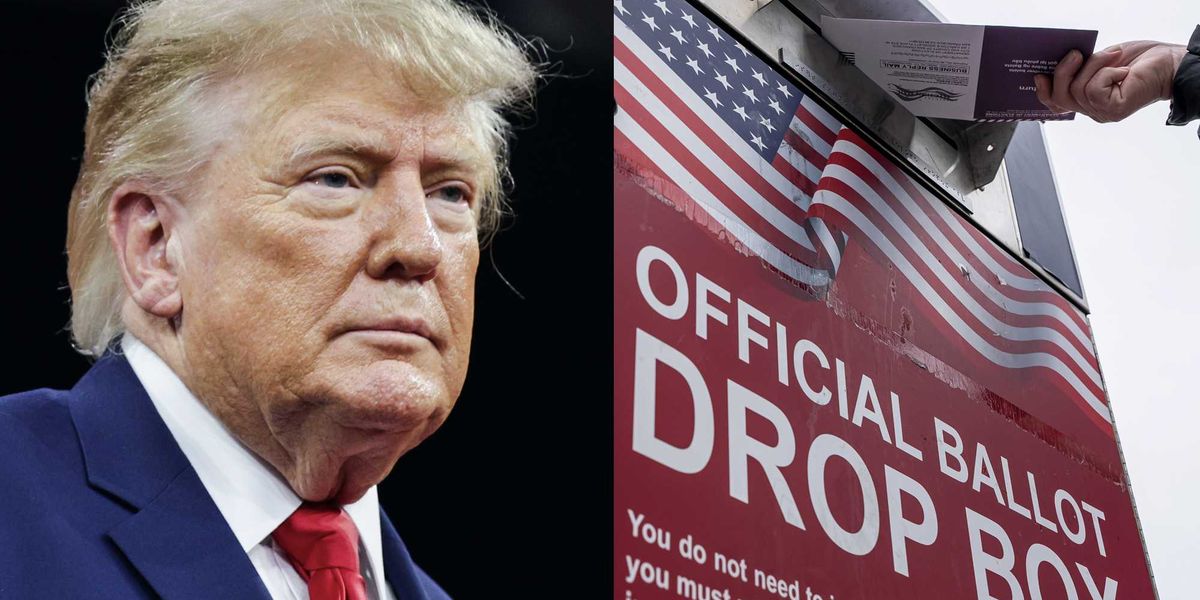
The 9th Circuit has put a brake on the Trump Justice Department’s push to force California to separate out ballots that may have come from noncitizens, leaving the dispute alive but unresolved. The ruling keeps the fight centered on election integrity, state authority, and how far Washington can go when it thinks a state’s voting system needs a hard look.
The case lands in the middle of a familiar clash: federal officials pressing for tighter safeguards, and California resisting what it sees as outside interference. That tension has turned this issue into more than a narrow legal squabble, because the outcome could shape how states handle voter verification, ballot review, and election disputes going forward.
At the center of the controversy is the claim that some ballots may have been cast by people who are not legally allowed to vote. The Trump administration has treated that as a serious threat to the integrity of the process, arguing that ballots suspected of being noncitizen votes should not simply be swept aside without scrutiny.
California, meanwhile, has pushed back hard against the idea that federal officials can step in and tell the state how to sort ballots before the fight is fully resolved. That resistance is not just about one election cycle. It is also about protecting the state’s control over its own election machinery, especially in a place where voting rules often become national flashpoints.
The 9th Circuit’s decision does not close the book. It leaves the larger battle in place, which means the arguments over evidence, authority, and possible remedies are still headed for more courtroom sparring. For both sides, that means the stakes remain high and the next move could matter just as much as the one before it.
Election integrity has become one of the most charged issues in American politics, and this case fits that pattern perfectly. Supporters of stricter enforcement say a system only works if voters can trust that the rules are real and the checks are serious. Critics of the federal push argue that broad claims about illegal voting can be used to justify overreach if courts do not draw a clear line.
That is why the ruling drew attention well beyond California. A decision involving ballot handling in one state can easily echo across the country, especially when it touches on a national fight over voter rolls, ballot security, and the balance between federal power and state election control.
For the Trump administration, the issue is straightforward: if there is a credible concern that noncitizen ballots slipped into the system, it should not be ignored. For California, the answer is just as blunt: federal officials do not get to rewrite state procedures on demand, especially when the legal fight is still unfolding.
The case now sits in that uncomfortable middle ground where neither side gets exactly what it wants. The federal government has not won the sweeping order it wanted, and California has not ended the threat of more legal action. That kind of limbo often keeps pressure on both parties, because every new filing can bring another round of headlines and another round of political heat.
