
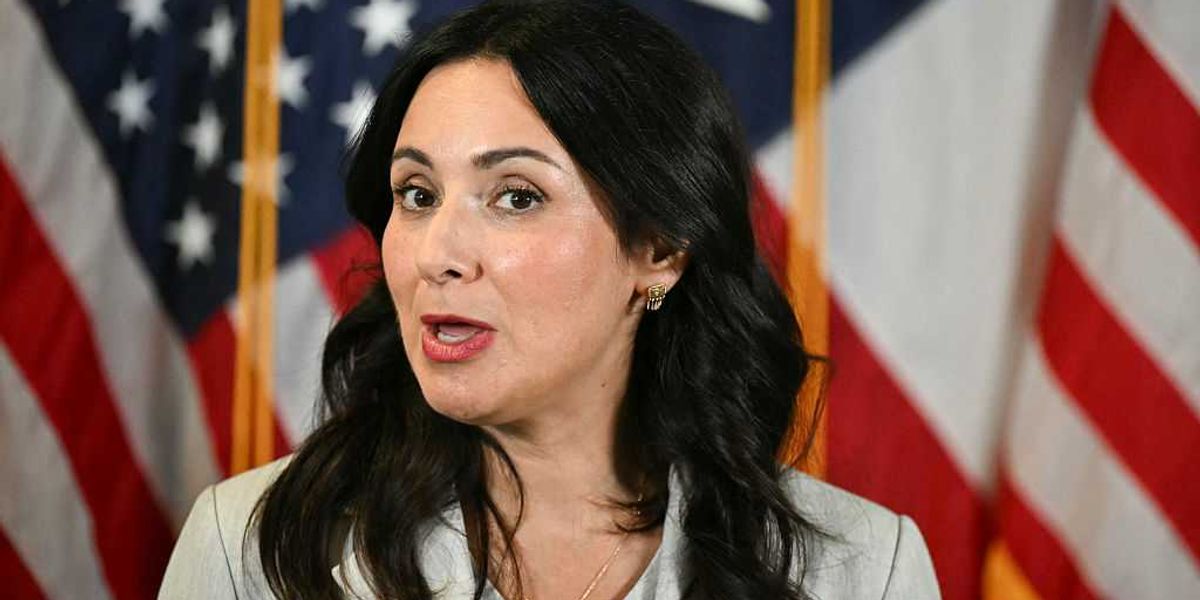
Texas politics is already loud, but this latest fight has turned the volume way up. A move tied to Democrat governor-elect Gina Hinojosa has set off a fresh firestorm over CAIR, public safety, and how far state leaders should go when confronting groups that critics say have no business being treated as mainstream civic players.
The controversy lands in a state where border security, terrorism concerns, and culture-war battles all hit like live wires. Supporters of the plan see it as a sharp break from the kind of soft-touch politics that frustrates conservatives, while critics argue the push is reckless, inflammatory, and built to stir outrage more than solve problems.
At the center of the uproar is the question of whether Texas should keep treating CAIR with any official legitimacy at all. Opponents have long argued that the organization’s record and alliances justify hard scrutiny, and they see any effort to strip away a terrorist designation as a direct challenge to basic security instincts. For them, this is not some inside-baseball fight. It is a line in the sand.
That is why the reaction has been so fierce. Conservatives in Texas see the move as the kind of political signal that tells radicals they have friends in high places, and that message does not sit well in a state where many voters want leaders who project strength, not apologies. The anger is not subtle because the stakes do not feel subtle.
Greg Abbott’s name keeps surfacing because Texas has spent years positioning itself as a state that pushes back hard on threats, especially when Washington feels asleep at the wheel. Abbott has made border enforcement and security a core part of his political identity, so any shift that looks like a retreat from that posture draws instant blowback. In that climate, even a hint of softness toward CAIR becomes gasoline on the fire.
Donald Trump’s influence is also impossible to ignore here. His brand of politics taught a lot of Republican voters to trust plain language, distrust polished excuses, and judge groups by what they actually do rather than what they say in carefully managed statements. That mindset makes the current fight easier to understand, because many conservatives see the issue as common sense before it is anything else.
For Democrats, though, this battle is tricky because it exposes a deeper split inside the party. Some want to keep leaning into identity politics and activist alliances, while others know those choices can look detached from the concerns of ordinary Texans who are focused on safety and order. When those worlds collide, the result is usually a mess.
What makes this especially combustible is the way radical activists tend to celebrate moments like this. Any suggestion that CAIR could be shielded from scrutiny is likely to be read by its loudest allies as validation, and that only deepens suspicion among voters already worried about extremism. In politics, perception matters, and here the perception is doing a lot of the damage.
There is also the broader Texas reality to consider. This is a state where people still expect leaders to take threats seriously, not wrap them in talking points. If Hinojosa wants to redefine that standard, she is doing it in a place where that pitch will get tested hard and fast.
The fight over CAIR is not happening in a vacuum, and it is not going away because one side wants calmer language. It sits right at the intersection of security, ideology, and the growing divide over what kind of state Texas wants to be. That clash is already shaping the political weather, and it is unlikely to cool off anytime soon.
