
The fight over future Trump-era investigations is already spilling into the open, and the pressure is not just about politics. Conservative voices are warning that subpoenas, compliance costs, and public accusations can hit young officials hard before any case is ever filed. That’s why talk of “deterrence” has sparked such a sharp backlash.
Repeated Democratic calls to investigate Donald Trump and the people around him have revived fears among conservatives who say the process itself can become the punishment. Rachel Bovard of the Conservative Partnership Institute said her group learned that lesson the hard way during Jack Smith’s election-related probe, which she said left it stuck with millions in legal bills just to deal with subpoenas. For critics, that is exactly the kind of pressure that can scare people out of public service.
Bovard said Smith’s inquiry felt less like a narrow investigation and more like a broad sweep across the political right. In her telling, the subpoenas pulled in information that went far beyond any normal law enforcement need, including internal details that had nothing to do with criminal wrongdoing. The bigger worry, she said, is that material gathered in one administration does not disappear, and a future Justice Department could pick it back up and run with it.
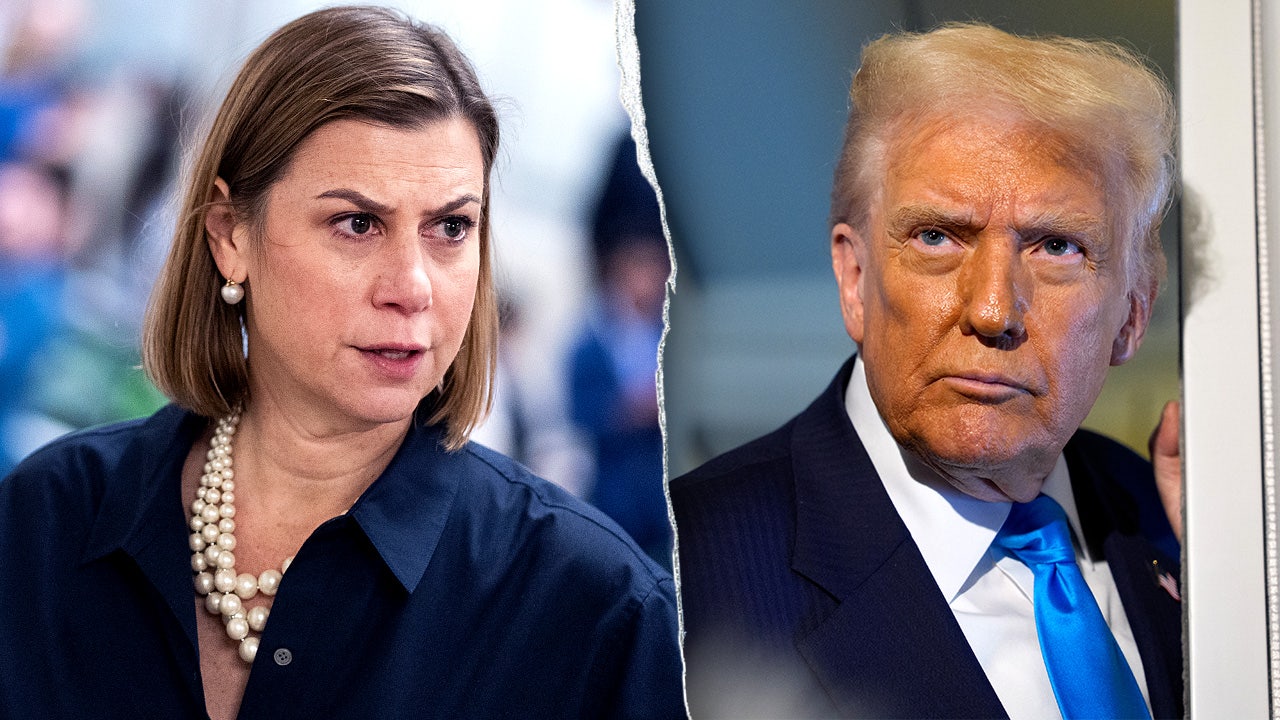
The alarm grew louder after Sen. Elissa Slotkin of Michigan said Democrats should send a “deterrence message” to young people thinking about serving in a Trump administration. She also said the focus should not stop with the president, but extend to the people who helped him. That kind of language, critics argue, sounds less like oversight and more like a warning shot.
Abhishek Kambli, a former federal prosecutor, said Congress can investigate and issue subpoenas, but only when the work ties back to legitimate legislative duties. He argued that if lawmakers openly talk about “accountability” in a way that sounds political, those comments can come back to haunt them in court. In his view, any record showing a real purpose was to target people, not legislate, can make a subpoena look suspect fast.
Kambli also said the biggest damage may come even without criminal charges. Legal defense alone can be crushing, and he warned that some members of Congress may know exactly how expensive that process can get. When the goal is to drag people through subpoenas, document requests, and compliance battles, the costs can pile up so fast that the fight becomes its own penalty.
Michael Morley, a law professor at Florida State University College of Law, took a more measured view. He agreed Slotkin’s comments were ugly optics and not something that fits comfortably with normal political behavior, but he said Congress still has broad investigatory powers. Even so, the tension is obvious when lawmakers sound eager to chase people tied to a president they oppose.
Hans von Spakovsky pointed to a different reality: even if Congress holds someone in contempt, the Justice Department still decides whether to prosecute. That gap matters because it shows how much power can sit in the system without ever reaching a courtroom. It also means the threat of investigation can hang over people for months or years, which is often enough to do the damage.
That is why Bovard described Slotkin’s “deterrence message” as something much harsher than ordinary political rhetoric. She said the message felt like a plan to “torture” young professionals by making them fear what happens if they take a job in a Republican administration. To her, that is the real point of lawfare, not winning a legal case, but making the price of service look unbearable.
The conversation has also fed renewed chatter about preemptive pardons, which Trump said he was considering before leaving office. That idea has become more mainstream in a climate where both parties expect the next one to come after the last one’s people. In that kind of atmosphere, public service starts to look less like a calling and more like a legal risk with a government paycheck attached.
