
- How CD music capacity depends on format
- What the Red Book standard means for audio CDs
- Why song length changes the total count
- How MP3 CDs differ from standard audio discs
- What file size and compression do to storage
- Why disc type and playback support still matter
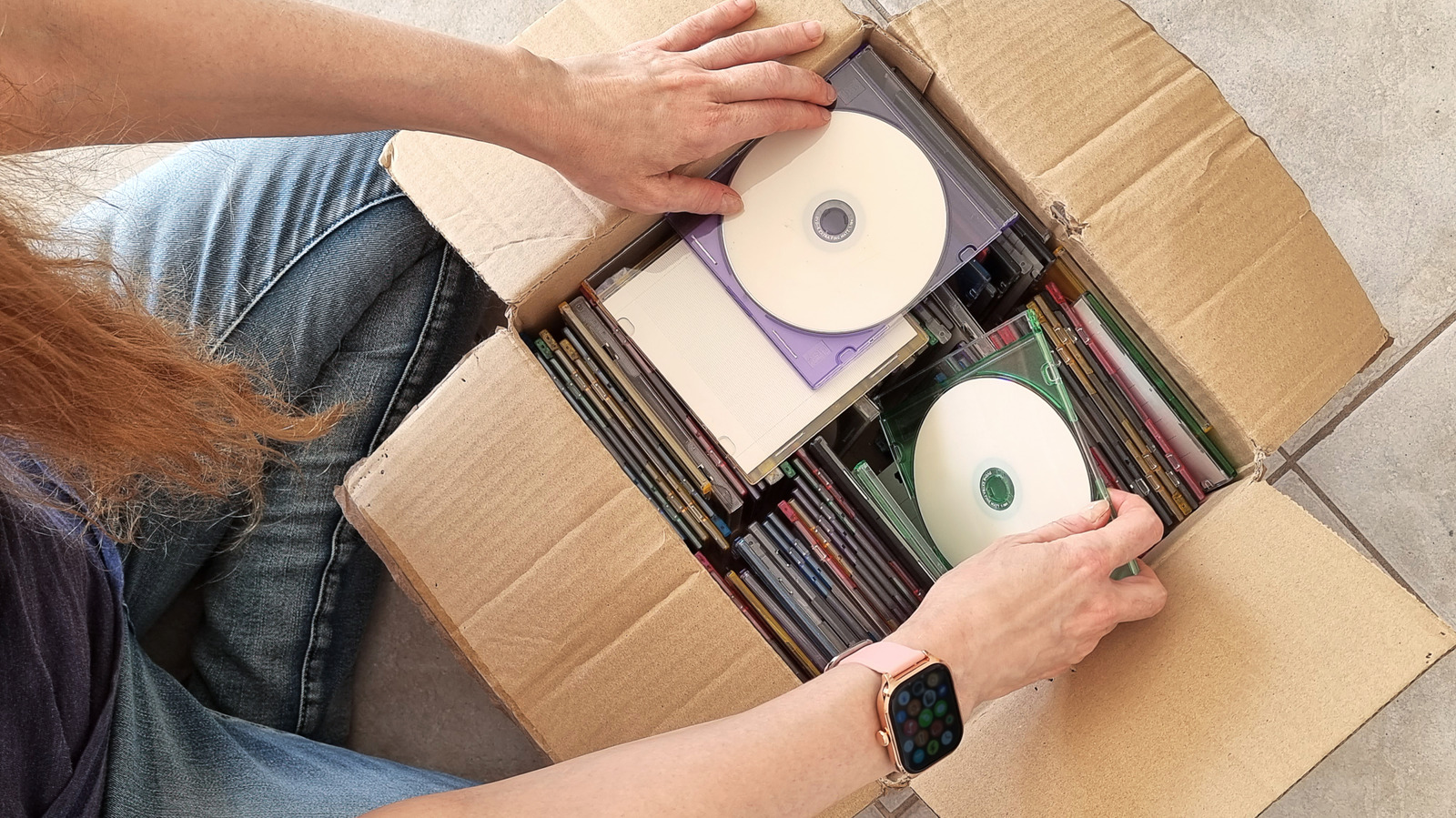
A CD can feel like a tiny time capsule, but how much music it holds depends on what kind of CD you are talking about and how the audio is stored. A standard audio disc has a fixed time ceiling, while a disc full of files can behave very differently. That is why the answer is never just one number, and why the same stack of songs can stretch neatly on one disc or slam into the limit on another.
For classic audio CDs, the key number is 80 minutes. That comes from the Red Book standard, which sets the ceiling for traditional music discs and gives you a pretty reliable frame of reference. If you take an average modern pop song length, you can usually squeeze in around 18 tracks, though that total shifts fast once songs get longer or shorter than average.
That variation matters more than people think. A disc filled with short, punchy three-minute songs will obviously hold more tracks than one packed with sprawling ballads or live recordings. Even if two albums both sit under the 80-minute limit, one might carry 14 songs while another slips in 20, all because the runtimes tell a different story.
Things change again when music is stored as data files rather than as a traditional audio disc. MP3 CDs and similar formats use the standard 700 MB storage space of a CD, so the count depends on file size instead of total playtime. If each song averages around 10 MB, you could fit about 70 tracks, which is a huge jump from an audio CD even though the disc itself is the same physical size.
Of course, that number can swing wildly. File size is shaped by the codec, compression level, bit rate, sample rate, and even whether the track is stereo or something more compact. A bunch of high-quality WAV files will chew through space fast, while small MP3s at a lower bit rate can leave you with room to spare.
There is also a less common trick called overburning, where you push a disc beyond its usual limits. Some recordable CDs are built to handle a bit more than the standard amount, but making use of that extra room requires the right disc and compatible software. Even then, playback can get messy, because not every CD player is willing to cooperate with an overburned disc.
That is where the practical side really kicks in. A disc that looks full on paper may still fail in a player that is picky about format quirks, and a disc that seems oversized might play fine on one machine but not another. The difference between audio mode and data mode, plus how the disc was burned, can matter just as much as raw capacity.
So if you are making a mixtape-style audio disc, the safest bet is to think in minutes, not song count. If you are loading files onto an MP3 CD, think in megabytes and expect the total to move around depending on compression and quality. Either way, the fun part is that a simple silver disc can hold a lot more personality than its size suggests.
