
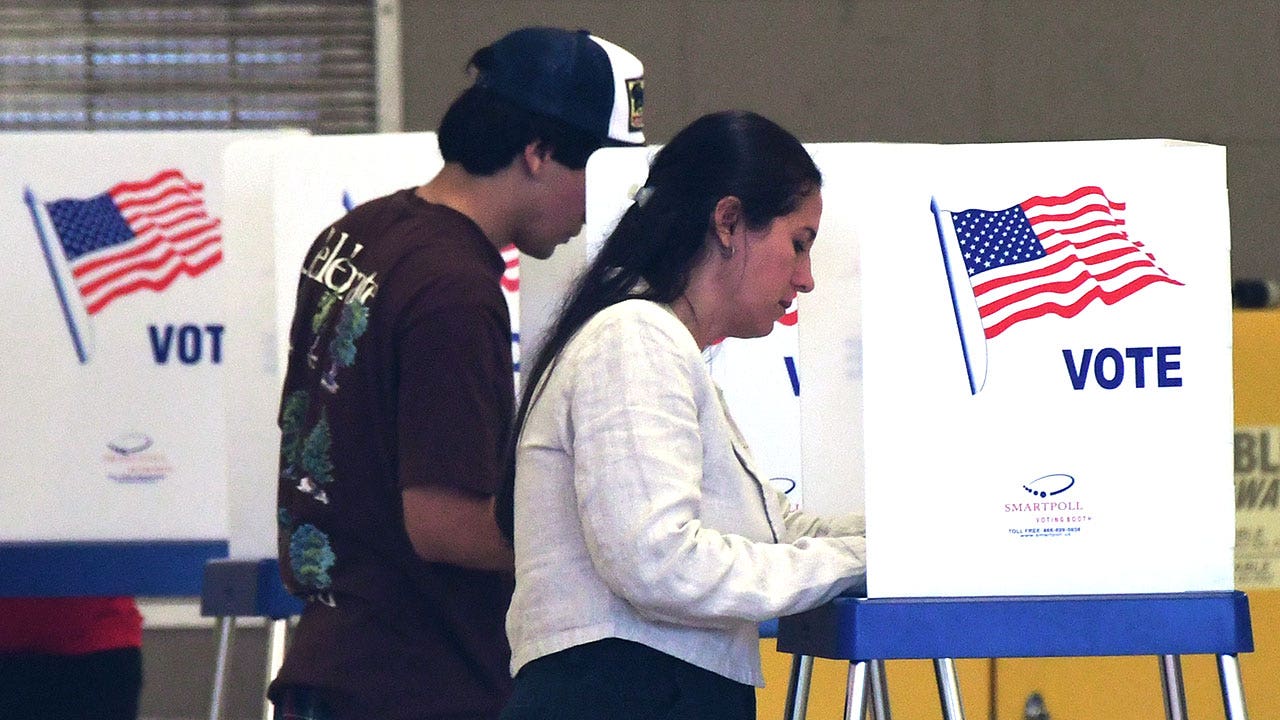
Republicans took a hard hit in the midterms, and the result landed like a warning siren for President Trump and his party. Voters across the country rejected the tone, the pace, and the strategy of the first two years of his second term, handing Democrats control of both chambers and forcing a serious reset.
The losses were broad and ugly, even in places that were supposed to be safe. Texas delivered one of the biggest shocks, with Democrats scoring dramatic wins that exposed how weak some Republican nominees had become, while Florida offered one of the few bright spots for the GOP.
What makes this sting even more is that the mood shift did not come out of nowhere. Trump’s coalition had been built on frustration with the left, border chaos, inflation, and weak leadership, but a chunk of voters decided that fixing one problem did not excuse creating a new wave of overreach.
The border crackdown was a good example. Americans wanted control after years of disorder under Joe Biden, but the aggressive deportation push and the public confrontations that came with it made some voters uneasy, especially when the issue stopped feeling like enforcement and started feeling like a hammer.
Foreign policy also cut into the president’s support. Trump’s move to take on Iran was meant to show strength and reduce the threat from a hostile regime, but it collided with his pledge to avoid fresh entanglements overseas. Rising fuel prices made that choice even harder to sell to voters already watching their wallets.
Tariffs added another layer of pain. The White House could point to some gains in investment and manufacturing, but many Americans felt the squeeze in the form of higher prices and uncertainty, which is exactly the kind of thing that turns economic confidence into political anger.
That anger gave Democrats their opening, even if their own agenda was fuzzy at best. They ran on “affordability” while offering few serious details, and some of their favorite ideas would likely drive costs even higher if they ever got the chance to enact them.
Talk of Medicare for All, aggressive fossil fuel restrictions, and broader government expansion may excite the activist crowd, but it is a tougher sell to families worried about groceries, gas, and mortgage payments. The contrast was simple: Republicans were punished for overreaching, and Democrats were rewarded without having to explain much at all.
Trump also made the fight personal, urging voters to treat the race like a referendum on him. That can fire up loyal supporters, but it also invites everyone else to cast a ballot against the man in the Oval Office, which is exactly what happened when turnout and backlash lined up against the GOP.
Even so, the outcome does not have to be the end of the story for Republicans. The Democratic coalition is already showing signs of strain, with progressives pushing bigger government, more spending, and more radical positions that could quickly scare off moderates once the spotlight turns from campaign slogans to governing.
That tension matters, because the next round of political combat will not be fought on vibes alone. Democrats now have to prove they can govern without tearing themselves apart, and every fight over taxes, spending, immigration, and energy will test whether their new majority can hold together.
For Trump, the lesson is blunt. Voters gave him a chance to deliver strength, order, and lower costs, but when the moves started to feel too broad and too blunt, they pushed back hard. He has bounced back from political wreckage before, and with the opposition already crowded with internal fights, another comeback is not impossible.
