
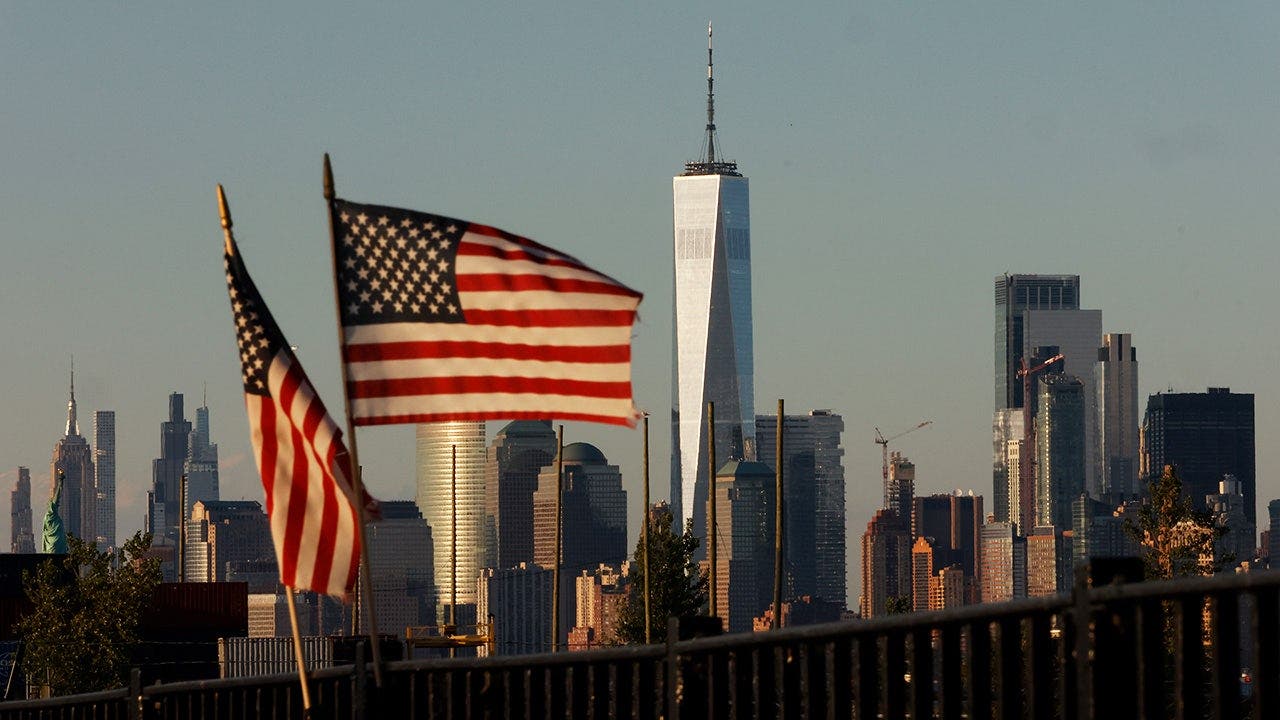
Hollywood’s long silence around 9/11 has left a strange hole in American culture, and that absence has consequences that go beyond the movie screen. A generation that mostly learns through films has been offered very few serious stories about the attacks, the aftermath, and the people who lived through them.
Movies have always done a lot of heavy lifting when it comes to public memory. World War II, Vietnam, and the Civil War became part of the national imagination through unforgettable scenes, characters, and conflicts that made history feel immediate instead of distant.
That is why the lack of major 9/11 dramas stands out so sharply. There have been a few notable efforts, including World Trade Center and United 93, along with documentaries, but the broader industry has largely moved on as if the event belongs in a museum case rather than on a big screen.
The reasons for that retreat are not hard to guess. Fear of offending anyone, pressure from progressive studio culture, and worries about being labeled intolerant have all helped make filmmakers cautious where once they might have been bold.
Post-modern habits have also played a role, with irony and detachment often winning out over direct confrontation with hard subjects. Even when a filmmaker claims to have addressed the attacks indirectly, the result can feel like a dodge rather than a serious attempt to wrestle with what happened.
There is also the money problem. Modern movie financing often depends on international investors and global markets, which can make it safer to avoid stories that clearly affirm Western values or confront Islamist terror without softening the edges.
That matters because stories shape instinct. When audiences repeatedly see America cast as flawed but fundamentally worth defending, they absorb a sense of moral clarity that is hard to replace with lectures or classroom notes.
The military recruiting example is a telling one. After Top Gun, the Navy saw a dramatic surge in interest, proof that a thrilling, patriotic film can spark real-world enthusiasm and make service look honorable instead of abstract.
By contrast, the years after 9/11 brought a different cultural mood, and the decline in recruiting later on suggests that inspiration is not a small thing. When a culture stops telling confident stories about duty, sacrifice, and national purpose, the effects show up in places far removed from the box office.
Good war films do more than entertain. They force people to ask who the enemy is, what is worth defending, and why some fights matter enough to demand real sacrifice from ordinary citizens.
That is why classics endure. Films like Casablanca and the great World War II dramas were made in the middle of history itself, not after the dust had settled, and that immediacy gave them moral force that still resonates.
When that kind of storytelling disappears, confusion rushes in. If serious artists refuse to frame the meaning of an event, louder and less trustworthy voices step in to do the job, often with half-truths, wild theories, and pure noise.
The rise of conspiracy thinking has filled part of that gap. People still want explanation, meaning, and emotional structure, and when the culture elite won’t provide it, fringe personalities gladly step in with easy answers and theatrical certainty.
There is another layer to the frustration too. After Oct. 7, many in Hollywood rallied around causes that seemed far removed from the national memory of 9/11, even though the underlying ideology of terror remains painfully familiar.
Still, the situation does not have to stay this way. New technology can lower the cost of telling big stories, and a new generation of filmmakers could bring fresh energy to one of the defining moments of modern American life.
What is missing is not only funding or technique. What is missing is the nerve to tell a story that honors the dead, respects the living, and gives younger viewers something sturdier than silence, shrugging, and fashionable amnesia.
