
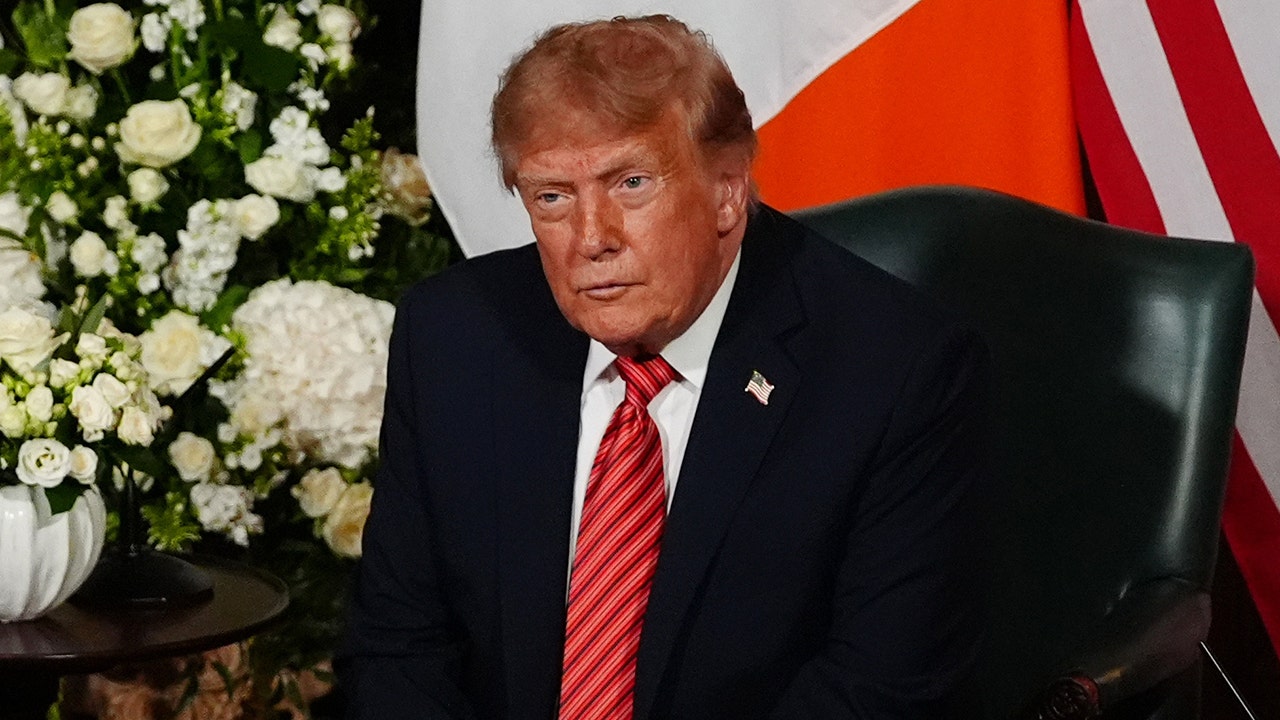
President Donald Trump brushed off a new China controversy with a blunt line that landed hard: Beijing spies on the United States, and the United States spies on Beijing. The comment came after a report tied Chinese satellite imagery to an Iranian strike that killed three U.S. service members, putting a fresh spotlight on the kind of shadowy intelligence games that keep real-world consequences at the center of global tensions.
Speaking aboard Air Force One, Trump was asked about reporting that Chinese entities allegedly supplied Iran with high-resolution imagery of Muwaffaq Salti Air Base in Jordan before a July 17 missile attack. His answer was classic Trump, direct and unfiltered, as he reduced the whole thing to a blunt reality of international rivalry. “They basically do what we do,” Trump said.
The broader issue is bigger than one report or one headline. If the allegations are accurate, the story suggests Chinese support may have helped Iran better understand a target tied to an attack that killed American troops, and that is the kind of detail Washington does not shrug off easily. Trump made clear he sees the relationship with China through a hard-nosed lens, not a sentimental one.
He was also asked whether the topic would come up when Chinese President Xi Jinping visits the United States later this month. Trump said Xi has “behaved reasonably well,” adding that “we behave reasonably well,” which sounded more like a warning wrapped in diplomacy than a warm handshake. In other words, the message was simple: there is no innocence in this game, only leverage, watching, and counterwatching.
“You know what they say? That China spies on us. I say you’re right, and we spy on them, too,” Trump said. That line cuts to the core of the matter, because it strips away the usual diplomatic fog and says out loud what most governments would rather leave implied. Intelligence work is no secret, but when it touches battlefield losses, the stakes feel a lot more personal.
According to the report, U.S. officials linked the imagery to Iran’s strike on the Jordanian base, which killed three U.S. troops. Officials reportedly viewed it as some of the strongest evidence yet that outside support for Iran during the conflict may have crossed a line from abstract assistance into deadly effect for American forces.
The report stopped short of saying Beijing directly ordered the attack, and U.S. officials did not publicly name the Chinese entities involved. That leaves room for a lot of questions, but not much comfort, especially when military targets, surveillance data, and hostile regimes are all part of the same picture.
The timing also matters. Xi is expected in Washington on Sept. 24 for a summit with Trump, and this latest development adds another layer of tension to an already loaded meeting. Any conversation between the two leaders now sits in the shadow of accusations, strategic suspicion, and the old familiar reality that big powers smile while keeping score.
For Trump, the situation fits a broader pattern of speaking plainly about foreign adversaries and refusing to pretend the United States is dealing with a friendly partner. That approach may rattle diplomats, but it also speaks to a simple instinct many Americans recognize quickly: when a rival helps arm the other side, or helps it see more clearly, nobody should act surprised when the outcome turns ugly. The whole exchange on Air Force One made that point without any extra polish, and it hung there long after the cameras moved on.
