
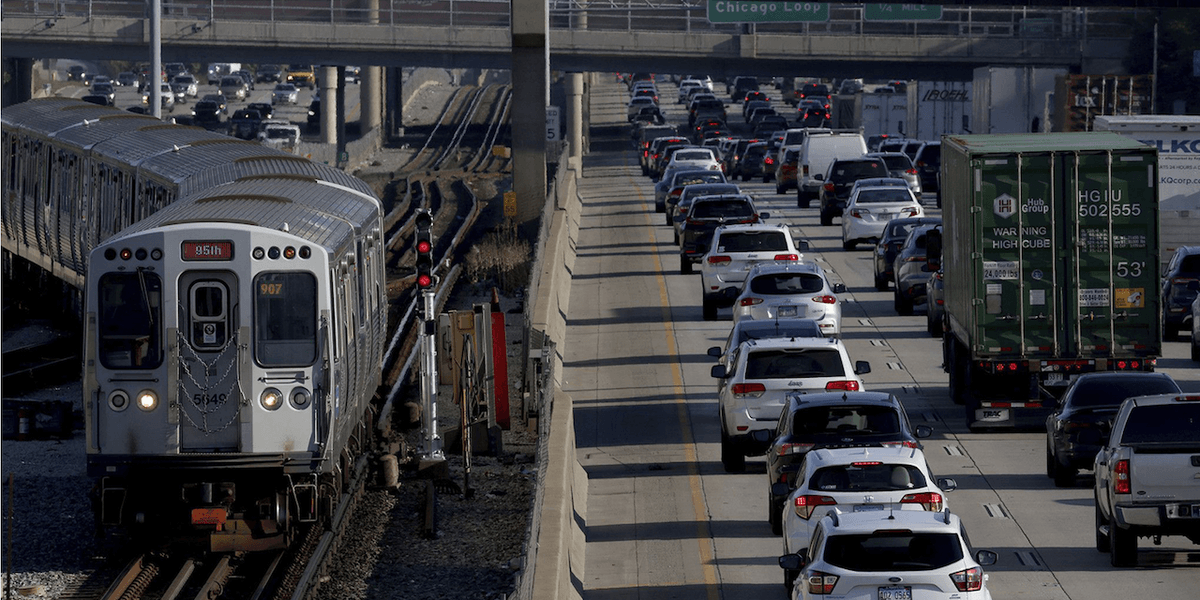
Chaos on a Chicago train platform turned deadly after a fight spilled into a moving train, leaving one man dead and a teenage girl at the center of the case. The story has taken a sharper turn because investigators say she may not be the only person tied to what happened. What began as a confrontation has grown into a grim look at how fast ordinary conflict can become irreversible violence.
Authorities say the 15-year-old girl is accused of shoving a man off a moving Chicago train, a fall that led to his death. The details have sparked outrage because the setting was so public and the stakes so high, with other riders nearby and danger unfolding in seconds. A train is already a tight, unforgiving space, and once tempers explode there is little room for anything to slow down or stop what comes next.
The part that complicates the case is the claim that she may not have acted alone. Investigators are looking at whether another suspect played a role in the confrontation, which suggests the event may have been more than a one-on-one clash. That possibility changes the tone of the case from a single shocking act to something messier, with questions about planning, encouragement, or who actually pushed the situation over the edge.
Cases involving teenagers and deadly violence always hit a nerve, and this one is no exception. A 15-year-old is old enough to know the difference between a fight and a fatal act, yet young enough for many people to wonder how she ended up there in the first place. The age gap between the suspect and the victim only adds to the sense that something deeply broken happened long before the final shove.
Public transit incidents carry a special kind of fear because they hit people where they expect routine, not danger. Riders board trains expecting to get home, get to work, or make a quick trip across town, not to watch a confrontation end in death. When violence breaks out in that setting, it leaves a long shadow, because everyone starts wondering how close they were to being caught in the same mess.
The phrase “not the only suspect” also raises the stakes for anyone trying to understand what really happened in those frantic moments. If more than one person was involved, the case could involve divided blame, conflicting statements, or witnesses who saw just enough to know something terrible happened without catching every detail. That kind of uncertainty can make the search for truth slow, but it also makes the investigation more important.
There is also the larger issue of how quickly a fight can become a murder charge when someone is pushed into a deadly environment. A shove on a sidewalk is one thing. A shove from a moving train is another, because the danger multiplies instantly and the outcome can turn fatal before anyone has time to react.
As the investigation continues, attention is likely to stay fixed on what led up to the fight, who was involved, and how the final moments unfolded. The case has already become more than a headline about a teen and a train, because it touches on youth violence, public safety, and the brutal speed of a split-second decision. And with another suspect still in the picture, the full story is still taking shape.
