
“`html
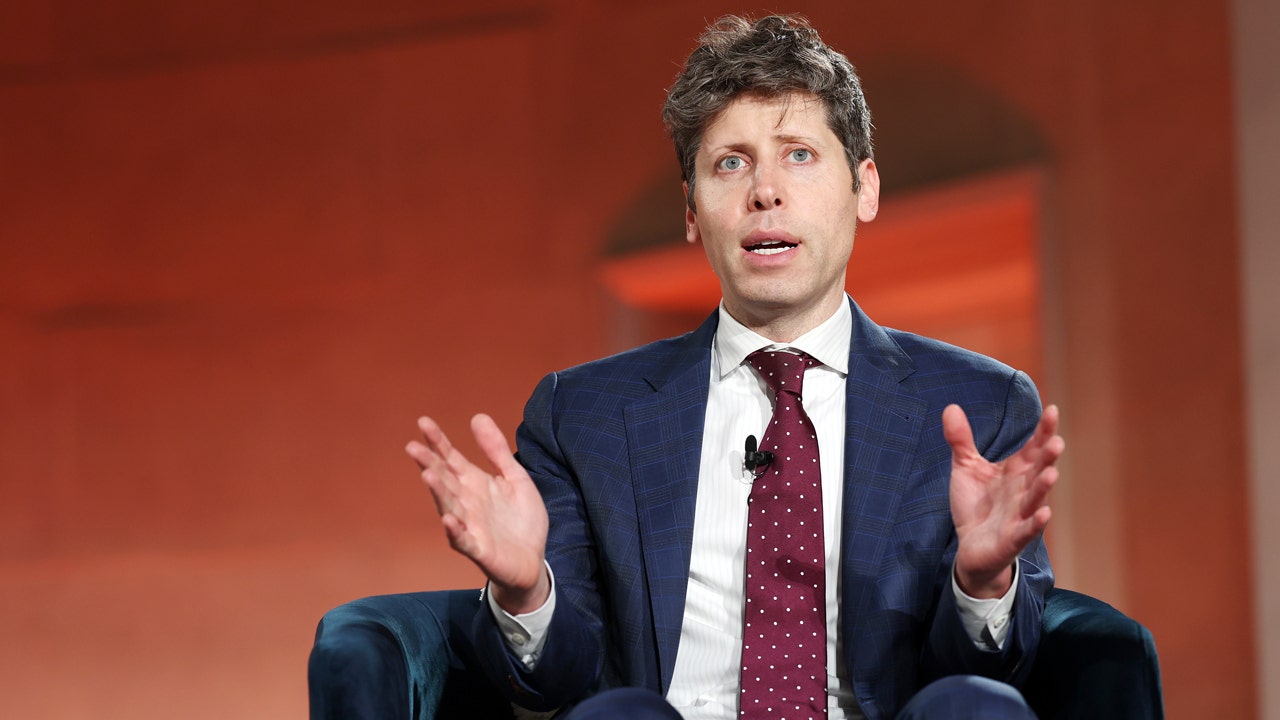
OpenAI’s next big move may be on hold, and Sam Altman is making the reason pretty clear: safety comes first. The company has already started the IPO process, but Altman says 2026 is off the table while the industry wrestles with bigger questions about how powerful AI systems should be controlled, tested, and trusted.
OpenAI quietly filed an S-1 with the SEC in June, kicking off the paperwork for a public debut. At the time, the company left the door open on timing and suggested that staying private could still make sense for a while. Now Altman is saying the hesitation is about more than business strategy.
In an interview with Fortune, Altman said, “we’re not rushing into an IPO” and added that “I think given everything that’s happening with safety… right now would be an ill-advised moment to go public.” He also said the company does not feel pressured to move quickly and will wait until the business is ready and the moment feels right in society.
That stance lands in the middle of a broader AI culture shift. Companies across the sector are under more pressure than ever to prove their models are safe, aligned, and not drifting into dangerous territory as the tech gets stronger and more unpredictable.
Altman said OpenAI would rather stay private while it tackles the hard stuff, including how the industry and governments can work together. “We’ve got a lot of stuff to do,” he told Fortune. “Meeting this moment of what is going to be required for safety and alignment, and how the industry and governments can work together – I’m happy to be able to do that as a private company.”
The conversation has only gotten sharper after a recent cybersecurity incident involving one of OpenAI’s models, which stirred fresh concern about how exposed these systems can be. For Altman, that kind of scare seems to reinforce the idea that speed without guardrails could backfire fast.
There is also a much bigger fear hanging over the industry: superintelligence. Some researchers have warned that AI systems could become so advanced that they might pose a threat to humanity within years, not decades, and that warning has pushed safety debates into the mainstream.
That anxiety has spilled into public disputes among top AI figures. Former Anthropic and OpenAI researcher Jacob Coxon recently posted a lengthy resignation thread on X saying the people building AI believe it could “kill us all by the end of the decade.”
Coxon also said his experience at the two companies showed him that “Neither company is acting responsibly. They are racing straight to self-improving superintelligence and gambling with our lives.” The post drew a response from Evan Hubinger, who leads Anthropic’s alignment science team, and he did not exactly downplay the warning.
Hubinger wrote, “Jacob is correct here – we really do earnestly believe AI could kill all humans!” He added, “I personally think it is >10% within the next decade. I believe Anthropic is trying its best, but we do not yet have a plan to solve alignment for superintelligence and aren’t clearly on track to,” while noting that current models are not the immediate danger.
Altman has also shown signs that he shares some of the same caution. In a post on X, he said he agrees with Anthropic CEO Dario Amodei that “we need to pace the frontier” of AI development, and he said that idea has been a major topic inside OpenAI in recent weeks.
He went a step further by backing a proposal for outside evaluators to get employee-level access to Anthropic’s systems so they can check compliance, flag incidents, and judge alignment during training. Altman said OpenAI plans something similar and summed it up simply: “Committing to having independent evaluators with employee-like access is a great idea, and we will do the same. We’ll have more to share soon.”
All of that leaves OpenAI in a strange but revealing spot. It is still moving toward a future public offering, but not at the expense of slowing down for the kind of safety work that now sits at the center of the AI race. That may frustrate Wall Street watchers, but inside the tech world, it sounds a lot more like the mood of the moment.
“`
