
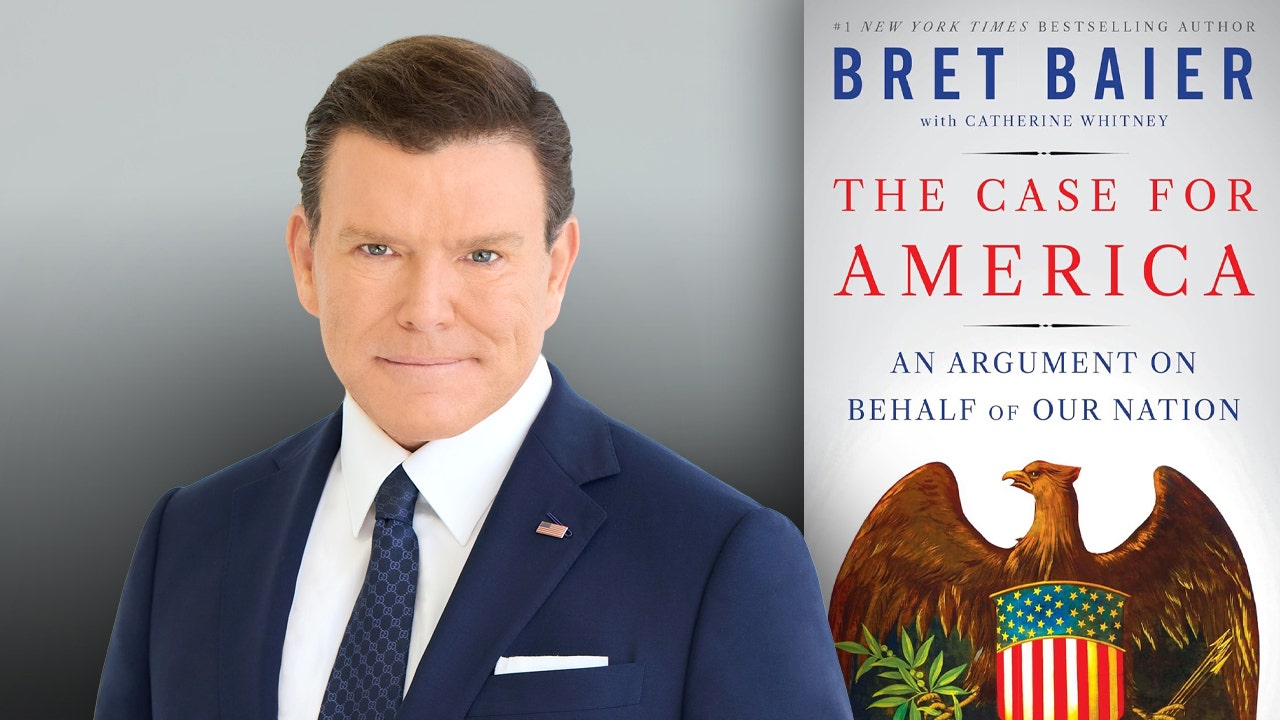
I spent time traveling the country talking about The Case for America and came back with a simple takeaway: our public lands, presidential legacies, and shared stories still bind us. This piece walks through a new conservation push, a presidential library in the Badlands, visits to Mount Rushmore and Mount Vernon, and why those places matter for our 250th. It also highlights bipartisan work to invest in parks and how the pageant of the outdoors can remind us who we are.
Heading out beyond Washington reminded me that the real heart of the country is found in wide open spaces. Time in the outdoors puts arguments in perspective and softens partisan edges. There’s something unifying about vast skies and unspoiled views that makes daily fights shrink in comparison.
On my Common Ground podcast I sat down with two congressmen, Bruce Westerman and Jared Huffman, to talk about the Great American Outdoors Act 250. The bill would invest $1.9 billion annually in national parks, public lands and Bureau of Indian Education facilities, and it has picked up broad support. That blend of Republican leadership and Democratic participation is exactly the kind of cooperation these places deserve.
Actors and citizens alike are stepping up to make the case for conservation. Kevin Costner testified before the House Natural Resources Committee and put it plainly: “Nature sits in silence. It’s beautiful, it’s awe-inspiring, and it’s also vulnerable to our worst instincts. There’s really no better time for us to reaffirm our commitment to these places that tell America’s story. Conservation can’t afford to be a partisan issue.” Those lines landed because they describe what millions of Americans already feel when they step into a park.
Teddy Roosevelt still matters when we talk about this country and its landscape. He was maybe our greatest conservationist and the Badlands changed him in lasting ways. Roosevelt wrote, “The country is growing on me,” after finding solace and purpose on the frontier, and that personal transformation shaped policy that protects land for all of us.
Roosevelt also described the wilderness with a kind of democratic reverence: “One of the chief attractions of the life of the wilderness is its rugged and stalwart democracy. There every man stands for what he actually is and can show himself to be.” He added, “We felt the beat of hardy life in our veins, and ours was the glory of work and the joy of living.” Those words still capture why public lands draw people back generation after generation.
Medora, North Dakota, where the new Theodore Roosevelt Presidential Library now stands, feels like a homecoming for that spirit. The library opens as a fully digitized resource, aiming to reach young people across the country and spark civic ambition. It’s a modern way to keep Roosevelt’s energy alive while making his story accessible to anyone with an internet connection.
Events around the library dedication included a presidential presence. President Trump flew in and said, “We dedicate a living monument to a legend, statesman, soldier, frontiersman, and a true American hero.” He also signed the Great American Outdoors Act Reauthorization there, signaling that conservation and national pride can go hand in hand with administration priorities.
Traveling through the Black Hills to Mount Rushmore reminds you how physical monuments anchor national memory. When Gutzon Borglum picked that peak he declared, “America will march along that skyline.” Seeing those 60-foot visages of Washington, Jefferson, Roosevelt and Lincoln up close gives you the scale of what we’re celebrating this year.
I also visited Mount Vernon and found a refreshed site that invites families to learn history as a living, breathing thing. Director Doug Bradburn described a noticeable uptick in visitors, and he’s right — people are seeking meaningful ways to connect to the story of the nation. Places like Mount Vernon teach the habits of citizenship through experience rather than just words.
Across these stops the same message kept coming back: the American tent is big, and our parks and memorials are where we meet one another as citizens. People I met while promoting The Case for America shared videos and stories about family, service and gratitude. Many were immigrants or children of immigrants, testifying to the country’s ability to renew itself through new generations.
So this Fourth of July — amid the noise and the celebration — take a moment to stand somewhere that reminds you of the long view. Find a park, a battlefield, a monument, or even a quiet stretch of prairie. Let the scale of the land and the weight of our past nudge you toward the kind of civic pride that built these places and will sustain them for the next 250 years.
