
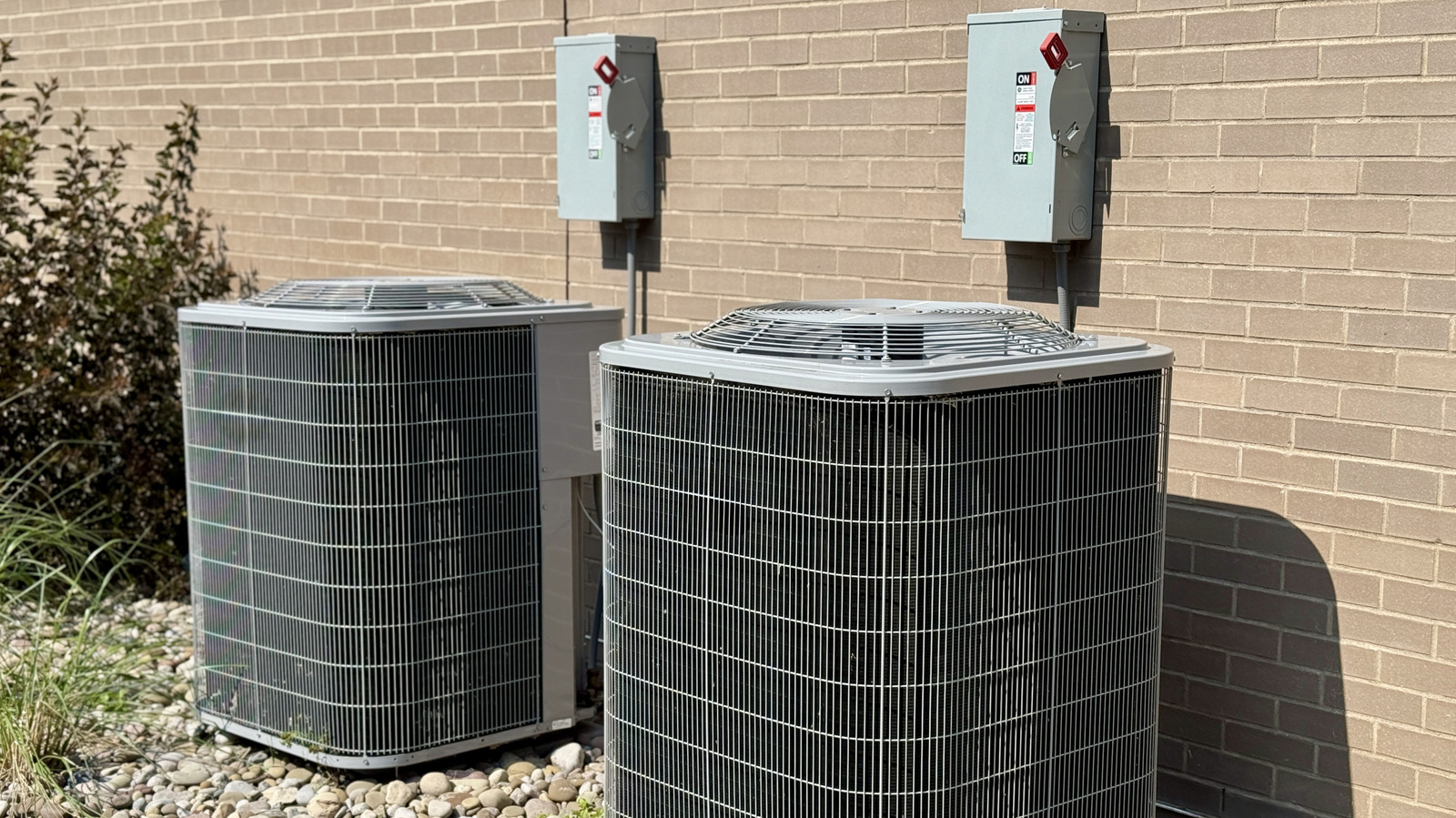
Heat pumps and air conditioners look a lot alike on the surface, and that is exactly why people mix them up so often. They both move heat instead of creating it, they both use refrigerant and compressors, and they both can keep a home comfortable when the weather turns hot. The big difference is simple: one system only cools, while the other can cool and heat.
In cooling mode, a heat pump behaves much like a standard air conditioner. It pulls heat out of the indoor air and sends it outside, leaving the home cooler and more livable. That shared process is why the two systems get lumped together so easily, but the similarity only goes so far.
The real standout feature of a heat pump is its ability to switch directions. Thanks to a reversing valve, it can take heat from outside air and move it indoors during colder months. That means it can do the job of both an AC and a heater, which is a pretty big deal for the right kind of home setup.
A regular air conditioner cannot do that. It is built for one job, and that job is cooling, so when temperatures drop, another heating system has to step in. If you live in a place where summer heat and winter chill both hit hard, that difference matters fast.
Cost is usually part of the conversation too. Heat pumps often come with a higher upfront price, and they tend to work best when the home is well insulated. Air conditioners are usually cheaper to install, but once you add a separate furnace or heater into the mix, the total expense can climb anyway.
Climate plays a huge role in deciding which system makes sense. In milder regions, a heat pump can be a smart all-in-one option because it handles both seasons without much fuss. In colder areas, people may still lean on a backup heating system, especially if the home is older or loses heat quickly.
Home layout and existing ductwork also matter. If a house already has ducts and a central HVAC setup, a central air conditioner may fit right in with less disruption. If the space is smaller or built for zone-based comfort, a ductless mini-split or another compact system might make more sense than a full central setup.
There are also different kinds of heat pumps, and they are not all built the same. Air-source heat pumps are the most common and exchange heat with outdoor air, while ground-source or geothermal models tap into the more stable temperatures underground or in nearby water. Those deeper systems can be very efficient, but they are usually more complex and expensive to install.
Air conditioners come with their own lineup of options too. Central air spreads cool air through ducts, window units handle single rooms, and portable models offer flexibility when permanent installation is not practical. Ductless mini-splits, rooftop systems, wall-mounted units, and variable-speed designs each serve a different kind of home or cooling need.
That is why the choice is less about which machine is “better” and more about what the home actually needs. A heat pump can be a slick two-in-one solution, while an air conditioner may still be the better fit if heating is handled elsewhere. Once you know how each system works, the decision gets a lot clearer.
