
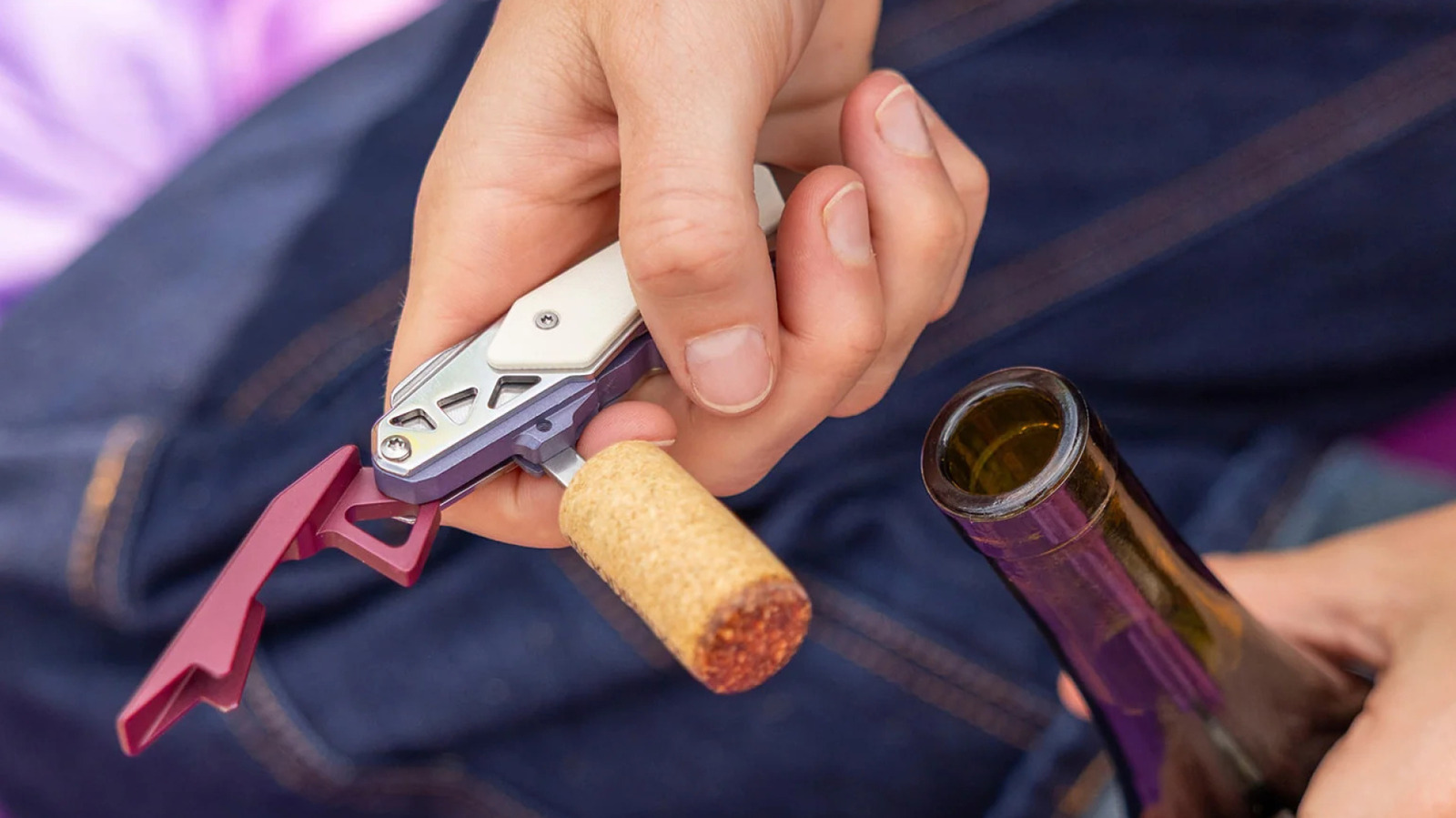
Leatherman’s latest limited-edition release leans hard into casual outdoor life, and that is exactly why it stands out. The Picnic is built for campgrounds, backyard cookouts, vineyard visits, and those table-side moments where a compact tool can save the day. It also carries the usual Leatherman appeal: premium build, clever design, and the kind of scarcity that makes collectors move fast.
The Picnic keeps things simple with six useful tools packed into a pocket-friendly body. A sheepsfoot blade handles cheese, fruit, or meat, while the dual-lever corkscrew is ready for wine bottles that refuse to cooperate. Add in a bottle opener, a pry tool, and a bit driver that works with Leatherman bits, and the whole setup starts to feel less like a novelty and more like a very specific answer to real-world outdoor snags.
That focus is what makes the tool interesting. It does not try to be everything at once, which is often where multi-tools get clumsy and overbuilt. Instead, it aims at the moments that matter at a picnic or cookout, where a knife, corkscrew, and driver are far more useful than a dozen extras nobody asked for.
The Picnic belongs to Leatherman’s Garage line, a space reserved for experimental and limited-run ideas. The name nods back to Tim Leatherman’s own garage-built origins, which gives the series a nice bit of personality without turning it into pure nostalgia bait. Some Garage releases push fresh concepts, while others remix existing ideas into something sharper, stranger, or more specialized.
That is part of the fun with this lineup. A release like the Picnic is clearly designed around one theme, while other Garage pieces explore upgrades to earlier tools and stretch the brand in different directions. The result is a catalog that feels more like a workshop than a product shelf, and that keeps longtime fans watching closely.
Scarcity is baked into the formula too. Once these Garage tools sell out, they are gone, which gives each drop a little extra electricity. The Picnic was priced at $135, and even at that level, it disappeared quickly, which says plenty about how ready buyers are to pay for something that feels rare, useful, and a bit playful.
That price also fits the broader Leatherman reputation. The brand sits comfortably in premium territory, and its audience is not chasing bargain-bin gear. Buyers want durability, tight fit and finish, and tools that keep working after repeated use, even when the outing turns rough around the edges.
People who have lived with Leatherman gear for years often point to the same thing: the hardware holds up. Pivot joints stay solid, the tools do not feel flimsy, and the design choices usually make sense once the item is in hand. That kind of trust does a lot of work for a brand, especially when customers are choosing between a cheap backup and a tool they expect to keep for years.
The company’s 25-year warranty adds another layer of confidence. It does not make the purchase cheap, but it does make the cost easier to justify if the tool is treated well and used often. For many owners, that mix of longevity, smart design, and dependable support is exactly why Leatherman remains such a strong name in the first place.
