
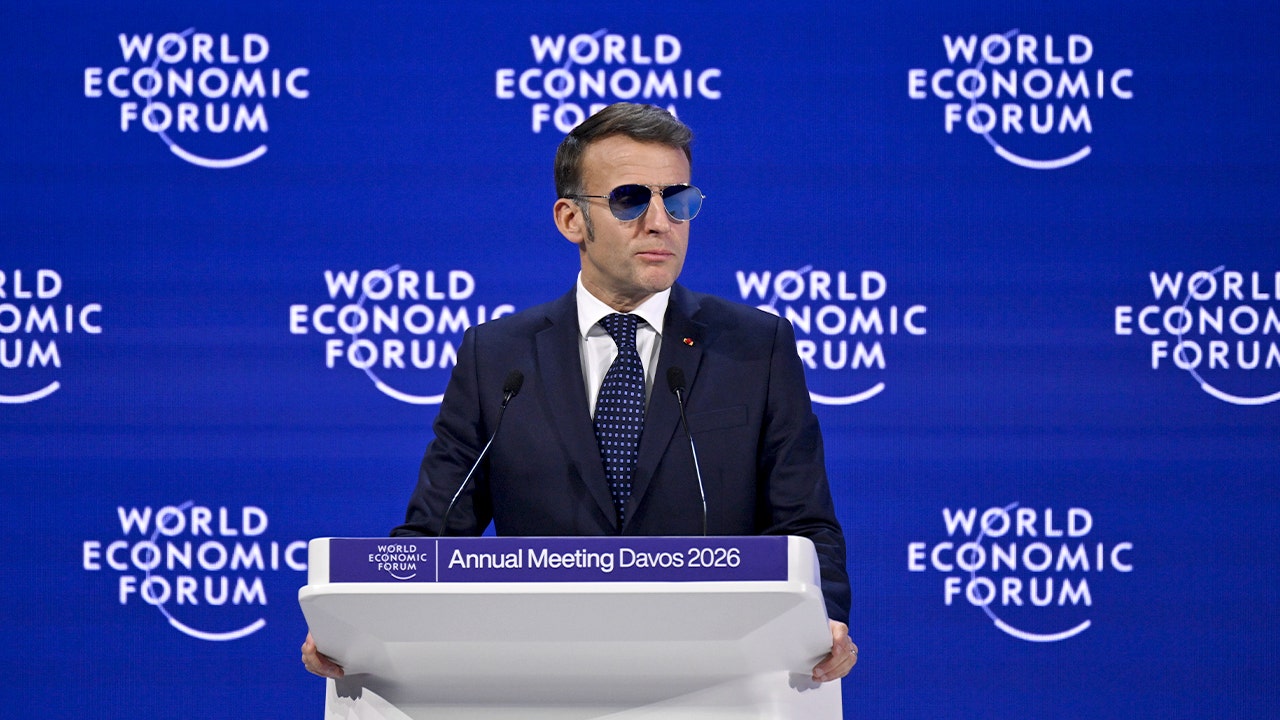
France’s long slide toward censorship is getting harder to ignore, especially when its leaders talk about free speech as if it is the problem. The country has built a habit of treating offensive opinions, harsh satire, and religious criticism as issues for prosecutors instead of public debate. That mindset has real consequences, and it is spreading far beyond Paris.
Emmanuel Macron has become one of the loudest champions of this approach. When he dismissed the American idea of free speech and framed speech limits as common sense, he sounded less like a defender of democracy and more like someone anxious about losing control of the conversation. That kind of language matters because once politicians claim the authority to define truth, speech is never safe for long.
France’s legal system has been moving in that direction for years. Laws built around vague ideas like “inciting” or “intimidating” others have opened the door to punishment for comments that would be protected anywhere that still takes liberty seriously. In practice, that means people can get hauled into court for insults, criticism, or speech that simply offends the wrong group.
There is no shortage of examples. Fashion designer John Galliano was convicted over remarks made in a Paris bar, while the father of Marine Le Pen was fined over comments about Roma people. A French teenager was also charged for calling Islam a “religion of hate,” showing just how quickly political and religious speech can turn into a legal problem in France.
That same instinct showed up in the treatment of Brigitte Bardot, whose outspoken views repeatedly drew government action. Macron later praised her as someone who “embodied a life of freedom,” which lands with a kind of bitter irony when the state has spent years punishing the very freedom he was celebrating. It is a familiar European trick, honoring the idea of liberty after spending years squeezing it.
The Charlie Hebdo massacre exposed the deep contradiction at the heart of France’s speech culture. Officials had spent years pressuring the magazine and its staff with investigations and legal threats, then suddenly marched for free expression after extremists murdered its editors. Even then, the tragedy became another excuse for more restrictions, not fewer.
At the center of this mess is the Digital Services Act, which gives European authorities broader power to target what they label disinformation or incitement. Supporters describe it as responsible moderation, but the real-world effect is a lot closer to political gatekeeping. Once bureaucrats get to decide which ideas are dangerous online, the line between safety and censorship disappears fast.
Macron has also pushed the idea that speech must be limited because one person’s freedom ends where another person’s offense begins. That sounds tidy until it becomes a weapon against criticism. If “insulting” public officials or challenging sacred ideas becomes enough to justify punishment, then free expression is only free when it is polite, approved, and harmless.
That logic has found plenty of allies across Europe, and some Americans have been far too eager to cheer it on. The obsession with “fake news” and “corrosive” speech is especially dangerous because it gives politicians a tidy excuse to label critics as threats to democracy. Once that door opens, the same people who claim to protect democracy start using censorship to protect themselves.
The old claim that more speech somehow destroys speech is one of the most misleading lines ever sold to the public. Bad ideas do not disappear when governments muzzle people, they get insulated from challenge. Free societies survive because citizens can hear ugly opinions, argue back, and judge for themselves without asking the state to referee every sharp edge.
France still likes to wrap itself in the language of liberty, equality, and fraternity, but the first word is getting thinner by the year. The pressure on comedians, writers, critics, and religious voices shows a country that increasingly treats open debate as a nuisance. That pressure does not stay neatly contained inside France’s borders, either, because once leaders start calling censorship virtue, the appetite for control tends to travel.
