
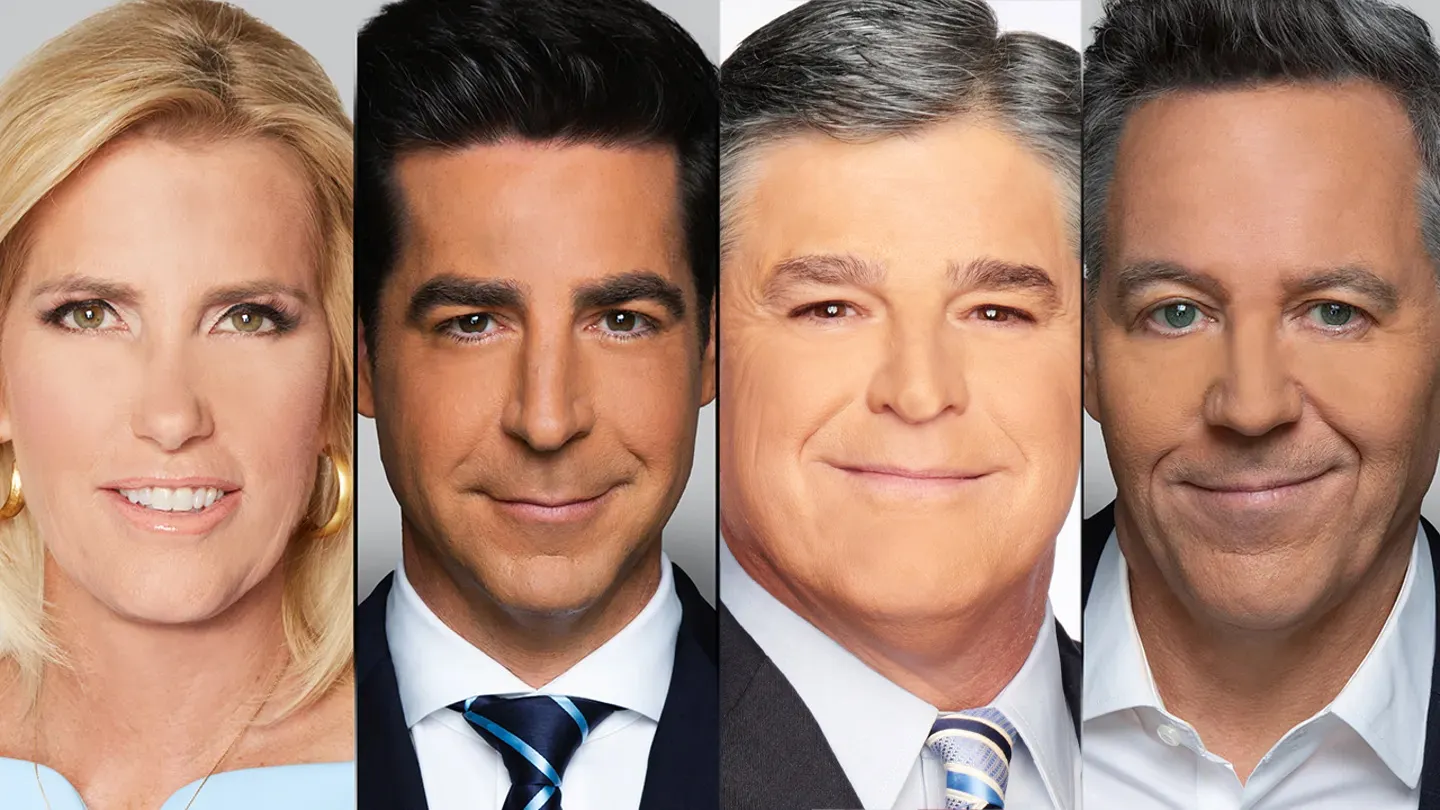
Fox News hit the air 30 years ago and instantly changed the conversation. It showed up at a time when a lot of viewers felt the national media had drifted into a narrow, predictable lane, and it built something that looked and sounded different. The mix of hard news and sharp opinion gave millions of people a place that felt more open, more direct, and a lot less scripted.
For years, major newsrooms were shaped by the same elite circles, the same institutions, and the same assumptions. That kind of sameness can narrow what gets covered and how it gets framed, especially when the people making the calls all move in the same social orbit. Stories that mattered to ordinary Americans too often got shortchanged because they did not fit the preferred storyline.
Fox stepped into that gap with a simple idea: cover the news with fairness, then let opinion be opinion. That approach connected with viewers who wanted straight reporting without the constant feeling that the angle was already chosen for them. The result was a channel that did not just report on the national mood, but helped reveal how large and overlooked that mood really was.
The news side earned a reputation for asking tough questions and chasing big stories that others ignored or softened. Anchors and reporters became familiar faces to audiences across the country, not because they played safe, but because they seemed willing to press hard and stay grounded in the facts. That trust did not come from polish alone. It came from consistency, effort, and a sense that viewers were being taken seriously.
The opinion side became just as important, giving voice to a public that had long felt brushed aside by the old guard. Conservative commentary on Fox did not pretend to be neutral, and that was part of the appeal. It offered a place where patriotism, debate, and plain talk could live side by side without apology.
That blend helped create programming that stuck. Shows built around spirited back-and-forth, especially panels that mixed left and right voices, proved that disagreement does not have to be stale or hostile. When it works, it can be funny, sharp, and surprisingly human, which is a big reason some of those formats became permanent fixtures.
Fox also became a stop that mattered for politicians, policy makers, and national newsmakers. Presidential debates, Sunday programs, and high-profile interviews turned the network into more than just a cable channel. It became a place where public figures had to show up ready, because the audience expected real answers instead of polished talking points.
That influence changed the broader media landscape too. Once viewers saw that there was room for another kind of conversation, they had more leverage over what the rest of the industry had to take seriously. Networks that once acted like they owned the narrative were forced to reckon with a competitor that understood what a huge part of the country wanted.
None of that happened by accident. It took personalities willing to be outspoken on opinion while still respecting the difference between commentary and reporting, and it took journalists willing to work hard enough to earn trust the old-fashioned way. Over time, that combination made Fox feel less like an experiment and more like a fixture.
Even after three decades, the energy around the channel still feels unfinished. The audience that built Fox has not gone anywhere, and the appetite for plainspoken coverage is still strong. With leadership pushing for bigger reach and sharper coverage, the network keeps leaning into the same formula that made it matter in the first place, and that momentum still has plenty of room to run.
