
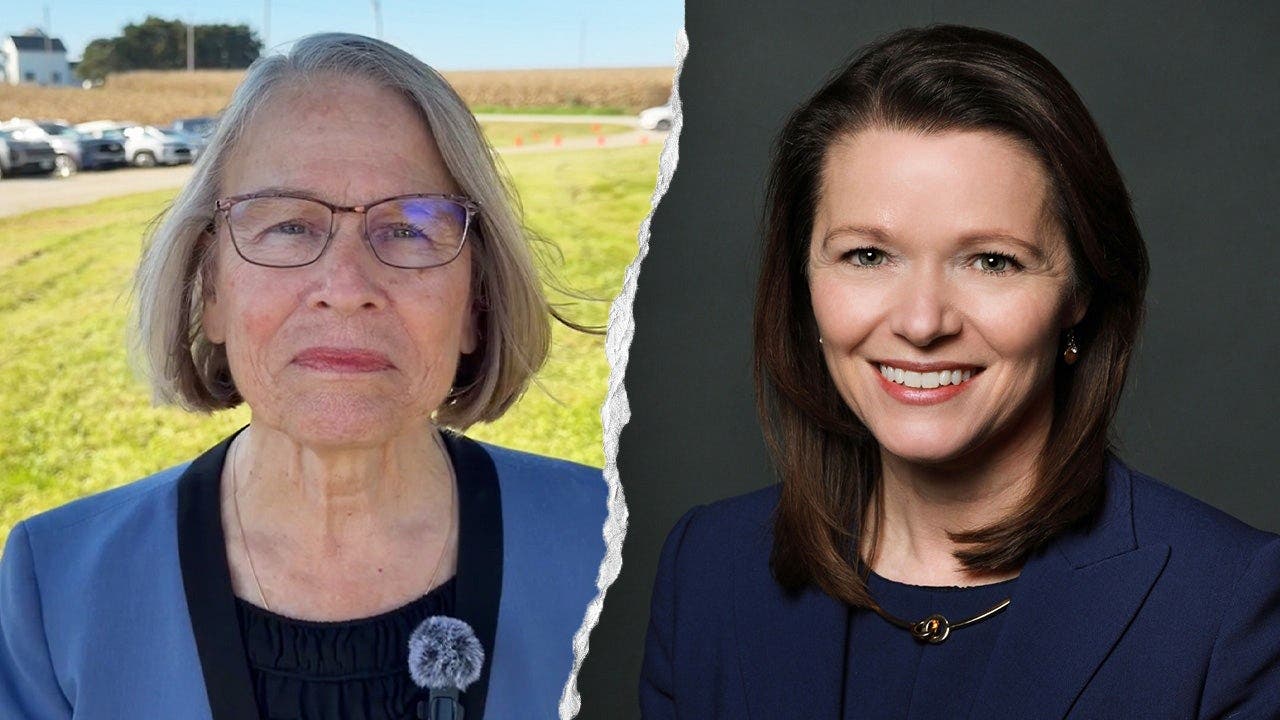
Iowa’s 1st Congressional District is back in the spotlight as a tight House race heads into its final stretch, with control of Congress hanging in the balance. Rep. Mariannette Miller-Meeks is making a blunt case to voters, leaning on pocketbook issues, border security, energy, farming, and government accountability while warning that a Democratic win would drag the district and the country left.
Prairie City became one of the latest stops in that fight, where Miller-Meeks framed the contest as a clear choice between what she calls practical, working-class priorities and what she sees as far-left politics. The race is razor close, and both sides know it, which is why every stop, every message, and every local issue matters a little more than usual.
Miller-Meeks has gone straight at her opponent, former state lawmaker Christina Bohannan, saying Bohannan is too closely tied to progressive activism and out of step with Iowa voters. Her message is simple and pointed: voters should choose “common sense” over what she describes as radical ideas that don’t fit the state.
She has also hammered Bohannan on taxes, law enforcement, and cultural issues, arguing that the Democrat’s record in the Iowa Legislature doesn’t line up with the campaign trail version being sold to voters. That clash has become central to the race, especially in a district where every slice of the electorate can swing the outcome.
Energy and manufacturing have become major pieces of Miller-Meeks’ pitch. She says Republican-backed policies have helped support lower fuel prices, stronger domestic production, and more jobs tied to industry, including a major steel investment she has highlighted as proof that the region can still grow when Washington gets out of the way.
Farm country is also getting plenty of attention. Miller-Meeks says she has been pushing policies that help ethanol, biodiesel, conservation, and water quality, while also listening to farmers who are dealing with costs, regulation, and uncertainty.
That kind of message fits the mood of many voters, who are still angry about prices at the pump, the cost of living, and a feeling that Washington keeps missing the mark. Miller-Meeks argues Republicans have a better answer because they focus on production, wages, and opportunity instead of piling on more rules and spending.
She also brought up fraud and waste, a subject that has plenty of traction in a state still shadowed by major scandal and questions about oversight. Her proposals include tougher whistleblower protections for Medicaid workers and stronger automatic reviews when government health programs show unusual payment spikes.
The larger stakes are hard to miss. This seat is rated a toss-up, and the outcome could help decide which party controls the House, making Iowa’s 1st one of the most watched districts in the country.
Bohannan, meanwhile, is making her third run against Miller-Meeks and is trying to turn frustration with Republicans into momentum. She has attacked the incumbent for standing with corporate interests and party leaders instead of local families, casting herself as the candidate who would put Iowa first.
That gives the race a sharp edge as Election Day approaches, with both candidates trying to define not just each other, but the future of the district itself. In a place where margins are measured by fractions, even a few undecided voters can decide whether the balance in Washington shifts again.
