
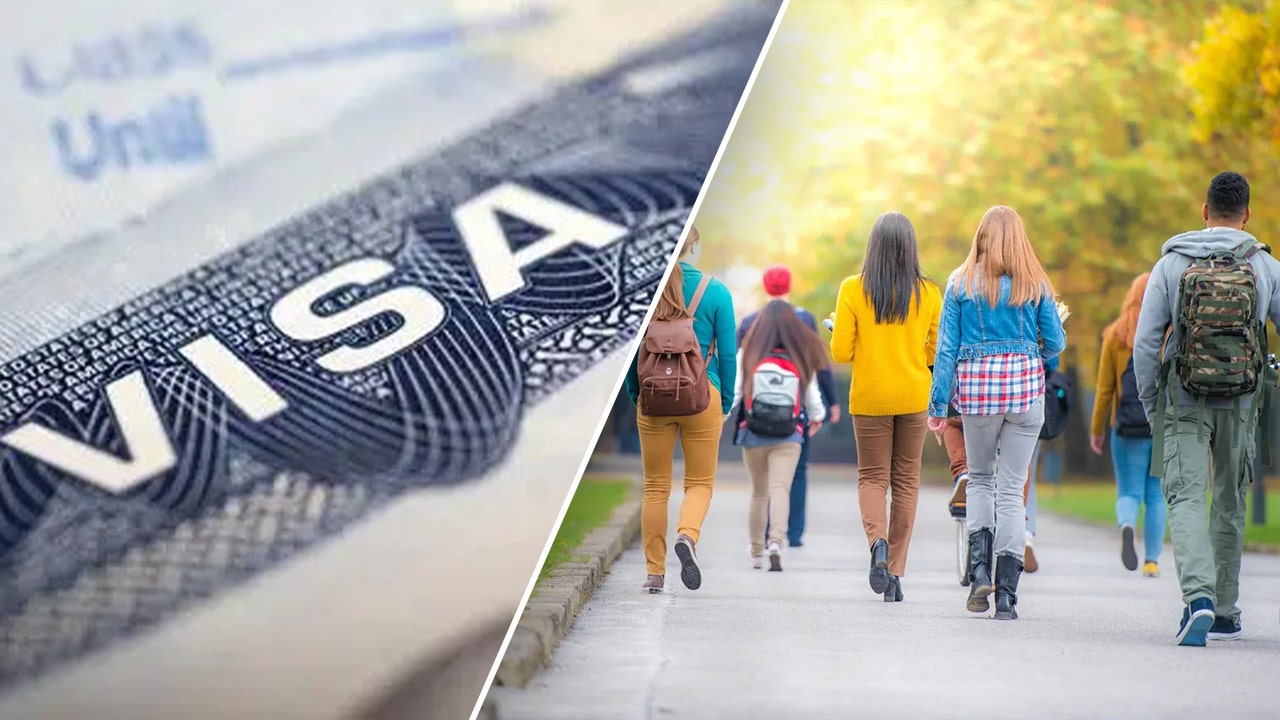
DHS is moving to put a much steeper price tag on work authorization for foreign students, and the proposal is already stirring up a fierce fight. The plan would hit F-1 visa holders with a $70,000 fee for initial OPT permission and tack on a $30,000 charge for any STEM extension, a dramatic shift from the current low-cost setup that has long helped graduates work in the U.S. after school.
At the center of the debate is Optional Practical Training, the program that lets eligible foreign students work in jobs tied to their majors while enrolled and after graduation. Supporters of the change say the system has drifted far from its original purpose and now needs a hard reset before it keeps undercutting American workers.
DHS says the fee structure is meant to crack down on abuse, fraud, and loopholes that have been hiding in plain sight. The agency argues that too many schools, employers, and student visa holders have treated OPT like an easy back door into the labor market, especially when the work does not match the rules on paper.
That frustration has been building for a while. In the government’s view, the program should reward real talent and genuine academic training, not become a bargain bin for employers looking to cut labor costs.
The new proposal would be a major financial shock for any foreign student hoping to work in the U.S. after graduation. What once cost roughly $500 could suddenly jump to a level that changes the calculation entirely, especially for students in lower-paying fields or families already stretching to cover tuition and living expenses.
STEM graduates would not be spared either. Under the rule, the extra 24-month extension that many science, technology, engineering, and math students rely on would come with its own $30,000 fee, adding another wall between foreign graduates and U.S. employment.
DHS says the move comes after federal reviews found widespread misuse inside the Student and Exchange Visitor Program. According to the agency, some participants used non-compliant worksites and so-called pay-to-stay arrangements to sidestep the normal guardrails and keep their status alive.
That kind of conduct has turned the debate into more than just an immigration fight. It has also become a labor issue, with critics arguing that these arrangements can push down wages and leave domestic graduates competing against a system that is too easy to game.
The Trump administration has been pressing harder on visa compliance, and this proposal fits squarely inside that approach. Officials say schools should be far more selective and far more careful before recommending students for OPT, since the government sees that recommendation as a gatekeeping moment, not a rubber stamp.
That tougher stance is not going to sail through without resistance. Legal challenges are expected, and opponents are already saying DHS does not have the authority to impose such a massive fee on its own.
Critics also argue the rule would discourage talented international students from coming to the U.S. in the first place. They say the country benefits when foreign graduates stay and work here, while supporters counter that the program should not be allowed to function as a subsidy for cheap labor.
The public comment period still has to play out before anything becomes final, and that gives both sides a chance to push their case. For now, the proposal has put a spotlight on a system that many believe has been stretched too far, with the next round of debate likely to be just as heated as the last.
