
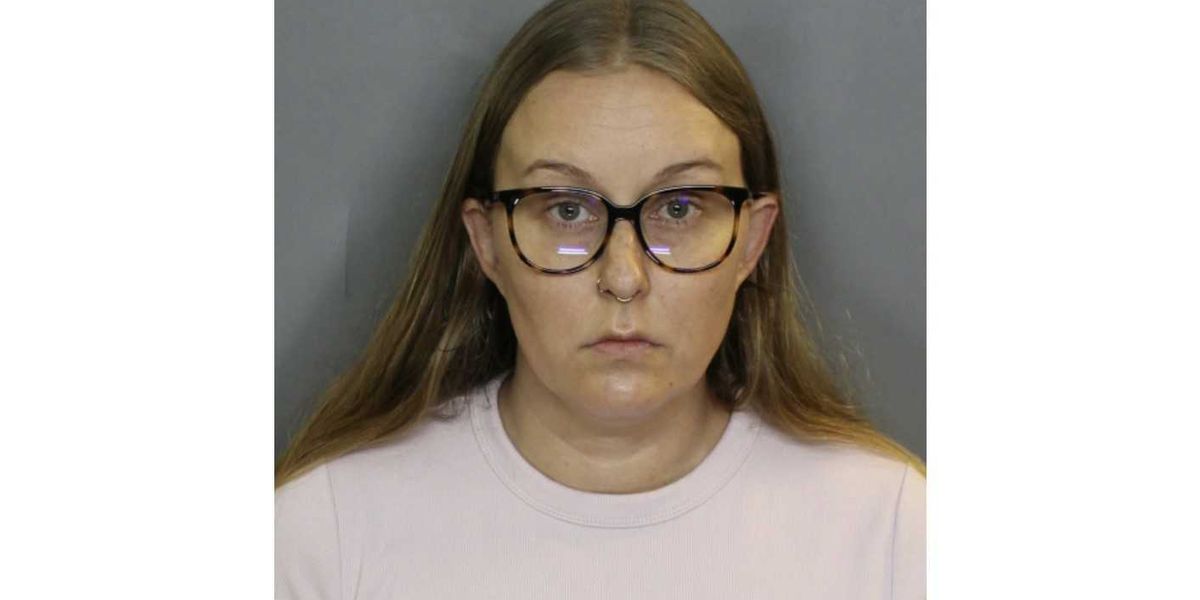
The case centers on a married Florida teacher accused of crossing a brutal line with a student, then reportedly walking detectives through the classroom where it allegedly happened. The story has drawn attention because of the age gap, the school setting, and the disturbing claims tied to a person trusted to protect children. It also includes bodycam footage, a confession-like account, and allegations that she offered to leave her husband for the student.
A married teacher in Charlotte County is facing a pile of serious accusations after police say she admitted to a sexual relationship with a student and pointed officers to the spot inside her classroom where it allegedly took place. The details are ugly even by the standards of school scandals, because this was not some rumor floating around a parking lot or social media feed. It involved a teacher, a student, and a room that should have stood for rules, safety, and trust.
According to investigators, the teacher did not just deny the situation and lawyer up. Reports say she showed deputies the exact location in the classroom tied to the alleged encounter, which turned a shocking claim into something far more concrete. That kind of detail lands hard because it suggests the case is not built on vague suspicion, but on an account with specific, physical evidence at its center.
The allegations also point to a personal layer that makes the whole thing even messier. Police say she offered to leave her husband for the student, a claim that makes the conduct sound less like a one-time lapse and more like a reckless crossing of every boundary in sight. When a teacher starts mixing classroom authority with personal desire, the damage does not stay private for long.
School scandals like this hit especially hard because teachers are supposed to be the adults in the room, not the ones creating the crisis. Parents hand over their kids expecting a basic level of judgment from the people hired to guide them. When that trust is broken, it shakes confidence in the whole system, not just one classroom or one person.
Bodycam footage tied to the case only adds to the public reaction, since these videos often strip away the soft edges and show how police actually handled the confrontation. In situations like this, the camera can become a blunt record of how quickly a private mess turns into a criminal investigation. The public has grown used to seeing these clips, but that does not make the details any easier to stomach.
Florida has seen plenty of headline-grabbing crime stories, yet teacher misconduct cases tend to stand out because they hit both the legal and moral nerves at once. A school is supposed to be one of the few places where society draws a hard line around childhood, and the accused is expected to know that line better than anyone. Once that line is crossed, the fallout reaches students, families, staff, and the entire district.
What makes cases like this so unsettling is how ordinary the setting can seem from the outside. A classroom looks harmless enough, filled with desks, papers, and the normal noise of school life, but the accusations turn that space into the center of a criminal probe. That shift is what sticks with people, because it shows how quickly a place built for learning can become the backdrop for something deeply wrong.
The legal process will now decide what comes next, but the public reaction is already clear. People want accountability when an adult in a position of authority is accused of exploiting a student, and they want it without excuses or soft talk. In a case this charged, every new detail only sharpens the focus on how a trusted professional allegedly turned a classroom into the scene of a sex scandal.
