
America has spent years talking about the risks of depending on foreign supply chains for lifesaving drugs, and those risks are no longer abstract. The latest FDA changes are aimed at pulling more medical manufacturing back home, speeding up approvals, and giving companies a reason to build here instead of overseas.
More than 70% of the primary manufacturing facilities for prescriptions filled in the United States are still outside the country. That leaves patients exposed when something breaks overseas, while American workers miss out on the kind of high-paying jobs that come with advanced manufacturing.
For too long, companies that wanted to invest billions in U.S. facilities ran into a wall of red tape after construction was done. In some cases, those sites could sit idle for months waiting on routine reviews, which is the kind of bureaucratic nonsense that drives business away and weakens the whole supply chain.
The FDA’s new push is meant to change that. Under President Donald Trump’s Executive Order 14293, the agency was told to cut delays, encourage domestic production, and secure the medicine supply for American patients.
One of the biggest pieces of that effort is the PreCheck Pilot Program. It is built to help manufacturers solve problems early, before a plant is finished and money is already locked up in concrete, steel, and equipment.
The program works in two stages. First comes the Facility Readiness Phase, where companies get technical and regulatory feedback before operations begin, which helps them avoid costly mistakes. Then comes the Application Submission Phase, where the FDA works more closely with the company to sort out questions faster, review facility details, and move inspections along.
That might sound dry on paper, but the impact is huge. When regulators catch issues early and give clearer guidance, projects move faster, uncertainty drops, and U.S.-made medicines can reach the market without all the pointless dragging of feet.
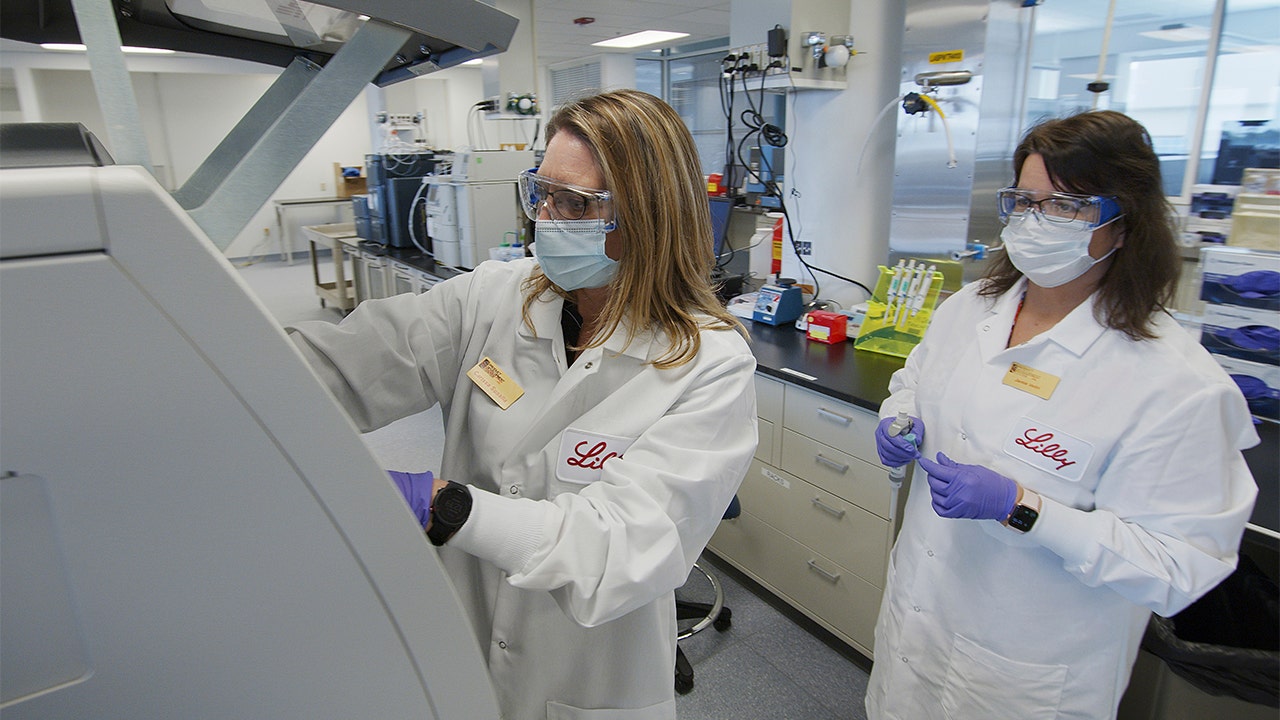
The first seven companies selected for the program include Eli Lilly, Regeneron, Amneal, Cellares, Fujifilm Biotechnologies, Kriya Therapeutics, and Kyowa Kirin. They are building facilities that will produce everything from cell and gene therapies to everyday IV bags, which shows just how broad this manufacturing effort really is.
Those projects are not just about medicine. They are about jobs, and lots of them. Thousands of long-term positions for scientists, engineers, technicians, and plant operators are tied to these investments, along with even more work for the communities around them.
That is the kind of economic growth that lasts. A strong factory does not just help one company, because it supports suppliers, local businesses, contractors, and families who want solid careers close to home.
The FDA is also moving on draft regulations meant to make distributed manufacturing easier and give the public more transparency about foreign medicine suppliers. That matters because the country still relies heavily on overseas production for older generic drugs, even though those medicines make up about 90% of all prescriptions written in the U.S.
Prioritizing domestic supply chains for those lower-cost drugs is a smart move. It can help bring more production back to American factories, create stable work, and reduce the chance that a disruption halfway around the world turns into a pharmacy shortage here at home.
This is where patients feel the difference most. A parent filling a prescription for an antibiotic or a cancer patient waiting on treatment should not have to wonder whether a factory shutdown abroad is going to cut off access to medicine.
There is also a bigger picture here that goes beyond one agency or one policy. Onshoring pharmaceuticals touches health, national security, and economic strength at the same time, which is why the push has gotten so much attention.
The administration is not stopping at manufacturing plants, either. The Department of Health and Human Services has also launched Operation TrialBlazer, an effort to bring more clinical trials back to the United States by cutting regulatory burdens and modernizing drug development.
That matters because the pipeline has to work from start to finish. If the U.S. can keep the research, the testing, and the production all on American soil, then breakthroughs can move faster and support more advanced jobs along the way.
What is happening now is bigger than a paperwork fix. It is a direct effort to rebuild confidence in American industry, protect patients from supply shocks, and make sure the next generation of medicine is made in the same country that depends on it.
