
Checklist:
- California’s natural advantages and cultural energy
- How layers of rules and permits choke everyday life
- The case for targeted rules over blanket bans
- Freedom for small businesses, events, and local gatherings
- A proposed Office of Fun and Freedom focused on cutting red tape
- Restoring California’s rebel spirit and public life
California ought to feel electric, not exhausting. The state has the raw ingredients for that kind of life: beaches, mountains, good weather, great food, and a mix of people and ideas that should make it the easiest place in America to have a good time. Instead, too many residents run into a wall of rules, permits, and nitpicking that turns simple plans into a chore.
The problem is not that California cares about safety. The problem is that the state keeps acting like every fun idea is one bad outcome away from disaster. That mindset has created a culture where officials default to no, while regular people are left begging for permission to do ordinary things.
Try hosting music at a small venue and the rulebook starts piling up fast. Entertainment, dancing, sound, alcohol, and zoning can each bring a different set of hurdles, even before the first song starts. A block party sounds harmless until it drags in a parade of agencies, forms, and delays that can drain the life right out of it.
That is how a state with endless sunshine ends up feeling stiff and cramped. Families who want a cookout, neighbors who want a gathering spot, and volunteers who want to bring people together all hit the same dead end. The message is clear enough: even the smallest burst of community has to survive government suspicion first.
The deeper issue is that regulations rarely get removed once they outlive their purpose. A rule goes in to solve one narrow problem, then another rule gets added on top of it, and then another, until nobody remembers why the pile started. The bureaucracy grows, but common sense shrinks.
There is still a real need for rules that protect people from actual harm. Nobody wants minors served alcohol, unsafe food sold to the public, or neighborhoods kept awake all night by reckless behavior. But those are specific problems that call for specific guardrails, not a blanket approach that treats everything as if it might explode.
That is where the frustration boils over. Big companies can usually muscle through with lawyers and consultants, while independent venues, nonprofits, food vendors, and ordinary families just give up. The state ends up rewarding the people with the deepest pockets and punishing the people with the best ideas.
A different approach would start by clearing away the clutter. An Office of Fun and Freedom would not be another giant agency adding more paperwork to the stack. It would be a fast-moving team inside the governor’s office with one simple job: remove unnecessary rules instead of inventing new ones.
That kind of office could force state agencies to defend the restrictions they keep in place. If a rule cannot be tied to a real harm, it should not survive on inertia alone. Californians deserve to know which restrictions still make sense, which ones are just leftovers, and which ones are crushing ordinary life for no good reason.
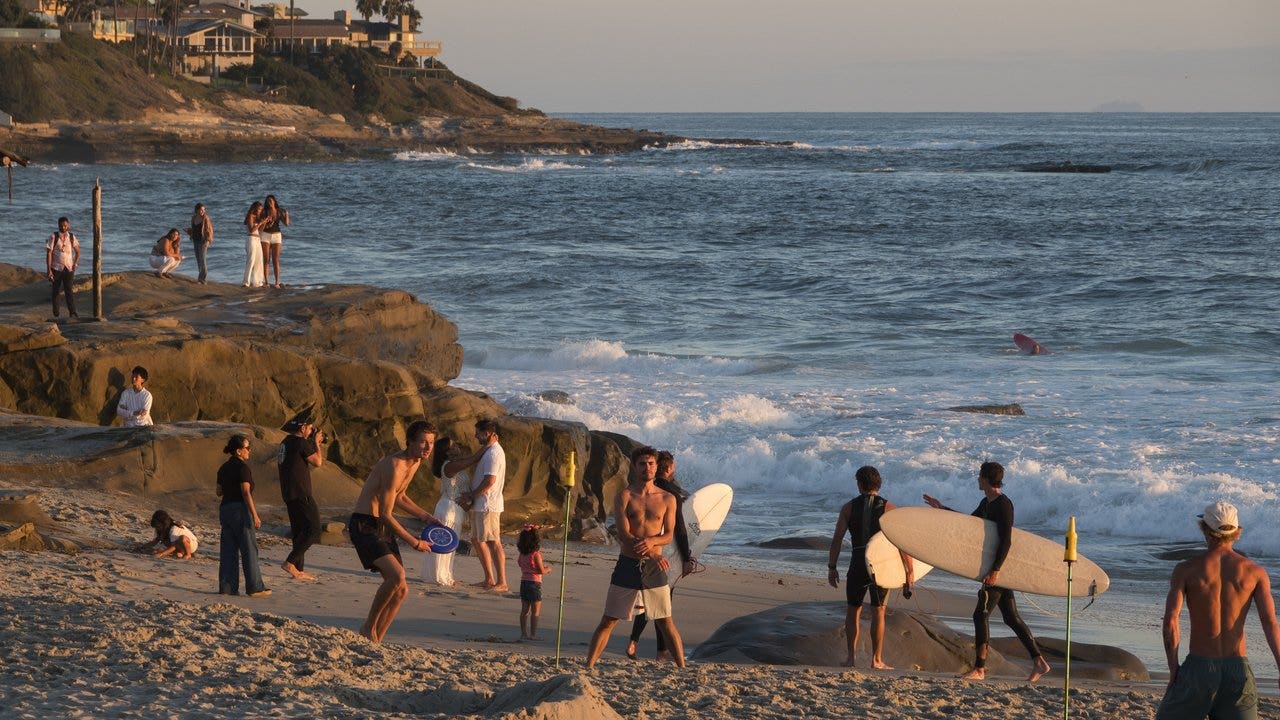
There is plenty of room to make the state feel alive again without throwing caution out the window. Local communities could have more control over late-night zones, with security plans, noise limits, and safe rides home built in. Beaches could welcome more dogs, more family gatherings, and more designated fire spots, while still protecting wildlife and closing things down when fire danger spikes.
The same logic applies to cannabis, where legalization has not always translated into orderly public use. Adults should have lawful, regulated indoor places to go if local communities want them, especially when the alternative is public spaces that smell like smoke and frustrate everyone around them. Local choice and clear standards work better than vague restrictions that solve nothing.
California used to sell itself as the place where people came to build, experiment, and live a little louder. That spirit still exists, but it keeps getting buried under layers of state control that treat joy like a problem to be managed. When government makes it harder to gather, celebrate, and create, it is not protecting the state’s soul, it is suffocating it.
The best version of California does not need more lectures from bureaucrats. It needs space for music, block parties, beach days, neighborhood events, and the kind of freedom that makes people want to stay, work, and build something worth loving. The rebel streak is still there, waiting for a state government that finally gets out of the way.
