
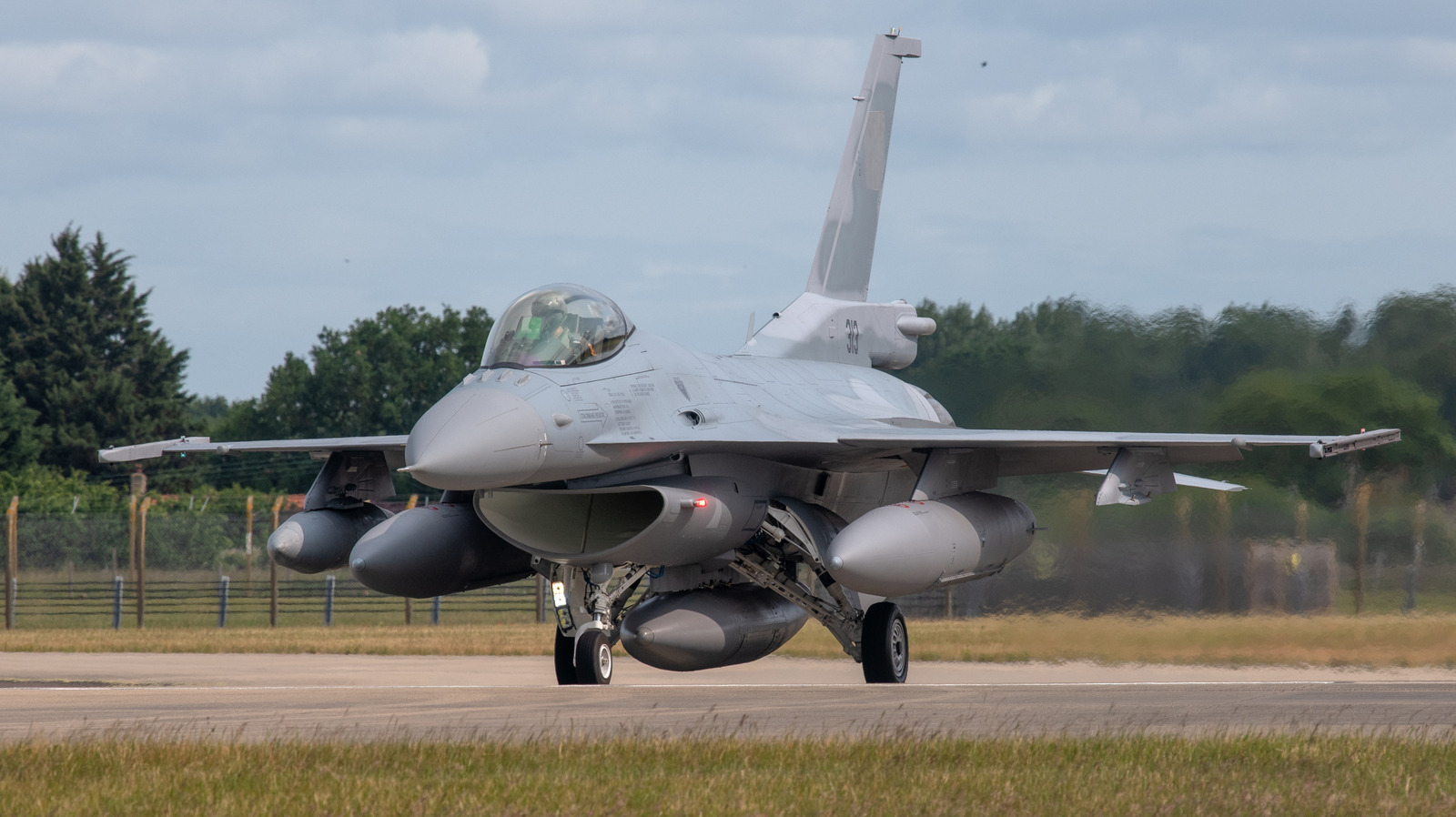
Planes that catch your eye overhead aren’t always what they seem; many are prototype or acceptance flights for aircraft bound for foreign militaries, and that includes familiar types like an F-16 spotted in Texas during testing and transfer work.
When a fighter or transport turns up where you wouldn’t expect, it’s often part of the journey from factory floor to foreign air force. Manufacturers and governments run checks, modifications, and acceptance flights to prove systems and iron out issues before delivery. Those flights can happen at domestic facilities, at testing ranges, or during ferry legs across friendly airspace.
An F-16 seen over Texas is a good example of this routine. Lockheed Martin and other contractors use U.S. airspace and test ranges to validate avionics, weapons integration, and flight envelopes. Even though the aircraft will end up in another country’s inventory, those domestic checks make the export process safer and more reliable.
You’ll sometimes notice subtle differences on export aircraft: altered wiring, different radios, or structural tweaks to meet the buyer’s needs. Paint and markings may be temporary or muted until final delivery. In many cases the tail numbers or serials will reflect manufacturer or temporary registry codes rather than the receiving nation’s permanent markings.
There’s a whole logistics pipeline behind each sighting. Crews coordinate flight plans, maintenance teams prepare the plane for long-range ferry flights, and specialized pilots—sometimes civilians with military backgrounds—handle the trip. Support aircraft and tankers may join for refueling, and ground teams ensure compliance with export controls and safety rules before takeoff.
Regulatory red tape matters here. Exports of military aircraft involve export licenses, oversight from U.S. agencies, and sometimes direct government-to-government sales. Those checks are part of the reason acceptance flights and testing occur domestically; they provide a controlled environment to meet legal and technical obligations before the aircraft crosses borders.
For local aircraft watchers, spotting foreign-intended planes can be a fun puzzle. Photography and tail-number sleuthing reveal clues about the destination and the type of work being done. But casual observers should remember that many of these flights operate under strict safety protocols and are routine components of international defense commerce.
There can be political sensitivity when aircraft built in the U.S. head overseas, so transparency about the process helps. Clear communication about testing, safety standards, and export procedures reduces public surprise when unfamiliar jets show up in domestic skies. At the same time, the practical need to validate complex systems before handoff remains the driving factor.
Next time you see an odd fighter or transport passing overhead, consider that it might not be an incursion but a careful, necessary step toward delivery. From factory bench tests to the final acceptance flight, those journeys keep aircraft reliable for their new operators and safer for everyone who flies around them.
