
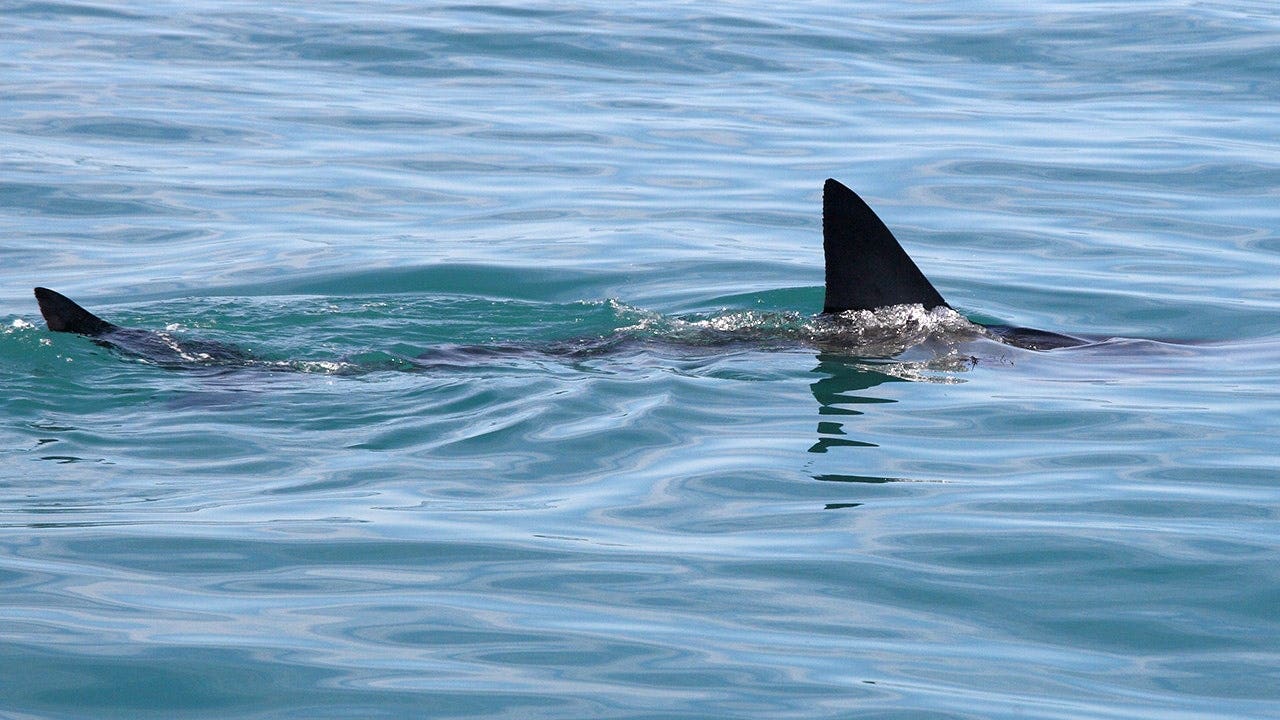
Shark Week may be packed with dramatic ocean footage, but the real takeaway is practical: if a shark bite happens, the first few minutes can decide everything. Emergency physician Dr. Kenneth J. Perry says the biggest danger is not the shock of the moment, but uncontrolled bleeding, and that means people nearby need to act fast, stay calm, and focus on simple steps that can keep a victim alive until professional help arrives.
Even though shark encounters are rare, a bite can turn into a true life-or-death emergency in a hurry. Perry says the first move is to get the person out of the water as quickly as possible, whether that means reaching shore or getting onto a boat. That matters for two reasons: it lowers the risk of another attack and removes drowning from the list of immediate threats.
Once the victim is safely out of the water, the mission changes to stopping the bleeding. Perry stressed that shark teeth can slice through arteries, veins, and tendons, so blood loss can escalate faster than most people expect. In that kind of situation, the biggest enemy is not pain or panic, but time.
For a serious wound on an arm or leg, a tourniquet can be the difference between survival and disaster. It has to go above the injury and be tightened enough to cut off the pulse below the wound, not just snugged into place and forgotten. Perry was blunt about it: “It may be painful, but it is necessary.”
That kind of pressure may seem extreme, but it lines up with standard trauma guidance that treats major bleeding as an emergency that demands decisive action. A weak or loose wrap will not do the job, and hesitation can cost precious blood. If the wound is on a limb and the bleeding is heavy, firm compression is the priority.
Tourniquets are temporary, though, and they are not a casual fix for long delays. Perry warned that prolonged use can cause tissue damage if blood flow is cut off too long, so they should be treated as a bridge to medical care, not a final answer. When rescue or transport is slow, the clock keeps ticking in the background.
In more remote settings, a pressure dressing can be the better option if a person is waiting a while for help. That means packing gauze directly onto the bleeding point and wrapping it tightly enough to hold steady pressure. It may not stop the blood as completely as a tourniquet, but it can reduce the risk of tissue death when the wait is longer.
Keeping the victim calm is another big piece of the puzzle. Bystanders should help the person stay still, quiet, and as relaxed as possible, because panic can drive up heart rate and blood pressure, which only pushes blood out faster. A calm voice and steady hands can matter more than people realize in that moment.
Loss of consciousness is another danger sign that should not be ignored. Perry said it can happen because of blood loss and the body’s stress response, but it can also point to a pressure-related diving injury if the person was underwater and rose too fast. That kind of complication needs urgent treatment, so fainting is not something to shrug off or chalk up to simple fear.
There is also a second wave of danger after the bleeding is under control, especially when the injury happened in saltwater. Marine bacteria can be rough, and shark bites are known for causing serious skin and soft-tissue infections. Once the patient reaches a medical facility and receives fluids or blood products, aggressive antibiotic treatment usually follows to help prevent the wound from turning into something even worse.
What makes this advice so useful is how direct it is. No one needs a fancy setup to start making a difference, just quick thinking, basic first aid, and the willingness to get hands-on when it counts. In a real emergency, the people standing closest to the victim may be the only thing standing between chaos and control.
