
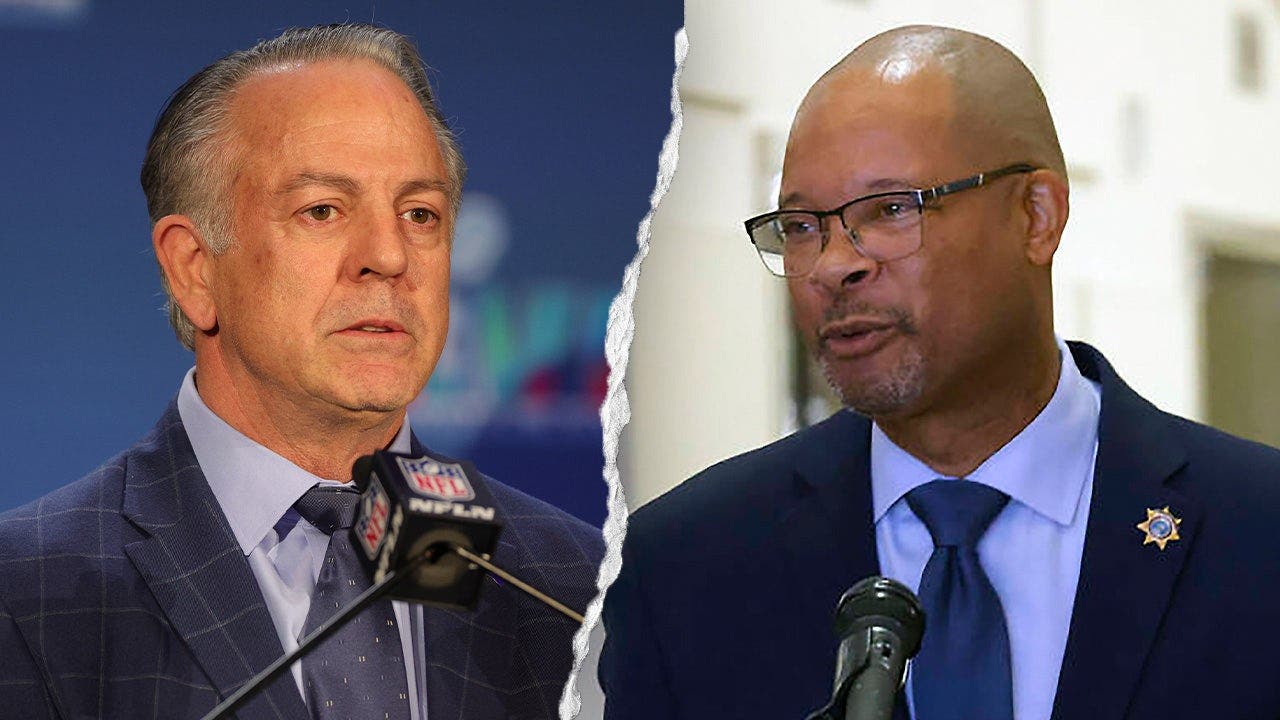
Nevada’s governor’s race delivered a sharp political jolt, with Attorney General Aaron Ford toppling Republican Gov. Joe Lombardo in a contest shaped by pocketbook pain, abortion politics, education fights and sharp arguments over Donald Trump’s influence. The win hands Democrats a powerful opening in a state already trending blue, while also setting up a new round of pressure over housing, energy, taxes and public safety.
Ford made affordability the heartbeat of his campaign, tapping into frustration over rising rents, home prices and everyday costs that have worn down families across the state. He also leaned hard into abortion access and public education, arguing that Nevada needed a governor who would push back against Washington Republicans and focus on the state’s own problems instead of national partisan battles.
That message landed in a place where housing stress has been impossible to ignore. In Las Vegas and Reno, tight supply and expensive financing have left many workers and middle-class families feeling boxed out, and Ford turned that strain into a simple argument: government should be aimed at making life easier, not pricier.
Lombardo tried to turn the race into a referendum on competence and results. He pointed to public safety, education spending and economic development, saying his administration had worked to diversify Nevada beyond the usual tourism-and-gaming dependence while backing workforce training and business growth.
But Ford kept coming back to Lombardo’s ties to Trump and national Republicans, framing the governor as too close to a political brand that many Nevada voters no longer trust. He argued that the state needed a leader willing to fight for federal dollars, defend voting rights and push back on immigration policies he saw as harmful.
The campaign also got ugly over money. Lombardo’s side blasted Ford’s platform as a giant spending wish list, warning that a full rollout could add billions in costs over four years, while Ford dismissed that math as inflated and based on assumptions he said were never part of his actual plans.
That clash over financing mattered because Nevada is not exactly sitting on endless room to maneuver. The state faces a long list of expensive problems, from housing shortages and school needs to road, water and infrastructure pressure, and whoever occupies the governor’s office will have to sell a lot of voters on hard tradeoffs.
Energy became another flashpoint as demand keeps climbing, especially with data centers and industrial projects stretching the grid. Lombardo pitched Nevada as a place open for investment and job creation, while Ford warned that growth should not come at the expense of residents dealing with higher utility bills and more strain on public systems.
Public education and crime also stayed in the mix, with each campaign trying to claim the mantle of practical leadership. Ford argued that Democrats should steer the state with a stronger focus on affordability and access, while Lombardo defended his record as one that boosted funding and kept the state moving in the right direction.
The abortion issue sharpened the divide even further, especially in a state where voters have shown a strong appetite for preserving access. Ford used that terrain to motivate his base and pull in independents who may not agree on everything but wanted a clearer stance on reproductive rights and a less Trump-driven governor’s office.
With Ford now set to take the reins, Democrats are looking at a Nevada government that could be much friendlier to their priorities from the top down. That changes the tone in Carson City fast, especially with the legislature already in Democratic hands and the next fights likely to center on taxes, schools, housing and how aggressively the state should expand its role in the economy.
Ford’s legal background also matters here, because he spent years taking on Trump administration policies in court and built a reputation as a combative Democratic figure. That history points to a governor who is likely to be louder, sharper and far more willing to use Nevada as a counterpunch against Washington in the run-up to 2028.
