
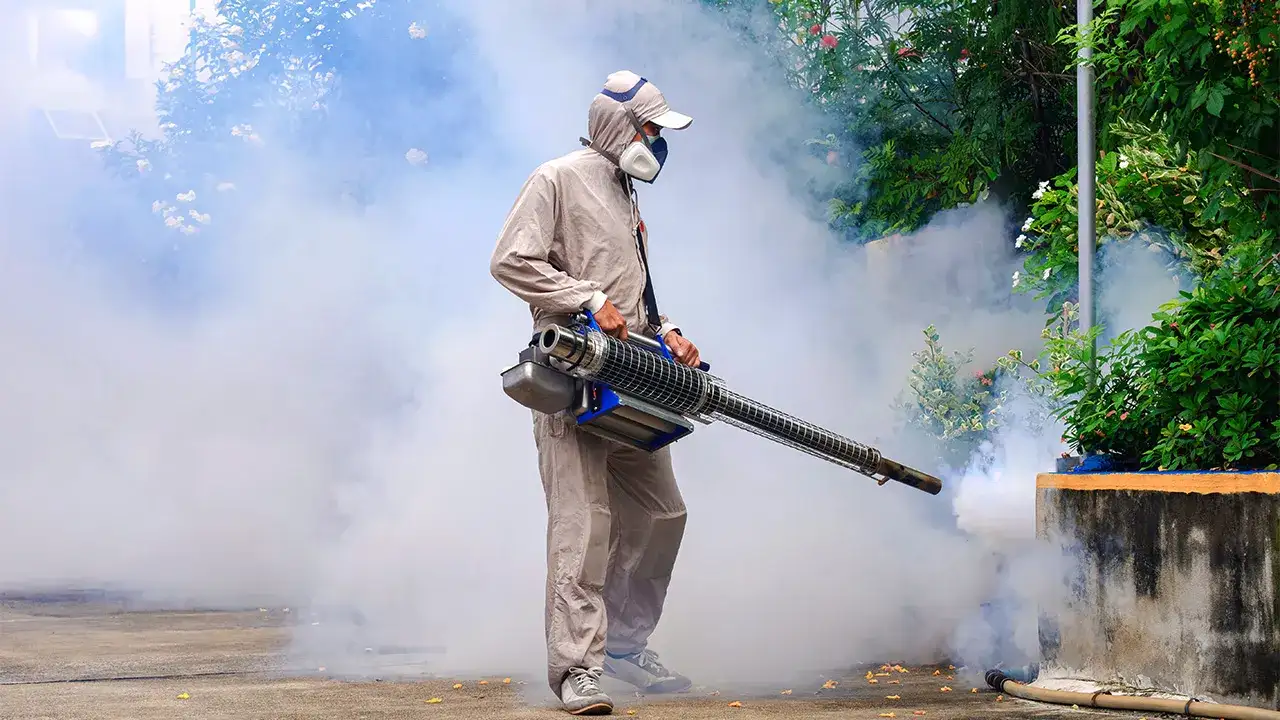
Florida is dealing with a dengue fever surge that is hitting harder than anything seen in decades, and the numbers keep climbing. Health officials say most of the local spread is centered in the Tampa Bay region, where mosquito control crews and county leaders are racing to keep the outbreak from widening further.
State records show 485 locally acquired cases this year, with 60 new infections logged in just one week. Roughly 95% of those cases are clustered in the Tampa Bay area, which has pushed Hillsborough, Pasco, and Pinellas counties to keep emergency measures in place.
Those emergency declarations gave local governments more flexibility to move fast on spraying, purchasing, and reimbursement requests. Hillsborough County has extended its local emergency status as the virus continues to spread, a sign that officials do not see this as a short-term flare-up.
The local cases are only part of the picture. Florida has also tracked more than 300 travel-associated dengue infections this year, and those imported cases matter because they can help seed new chains of mosquito transmission once the virus gets into the right conditions.
Dengue is a mosquito-borne viral illness spread mainly by Aedes aegypti and Aedes albopictus mosquitoes. It can bring on fever, muscle and joint pain, nausea, and rash, and in serious cases it can become a medical emergency.
What makes these mosquitoes especially annoying is their timing. Unlike the kinds that hover around mostly at sunrise or sunset, Aedes mosquitoes bite during the day and do well in warm, damp neighborhoods where standing water is easy to find.
That is why mosquito-control teams are leaning hard on targeted ground spraying, aerial applications, and property checks. In places where the virus is active, every puddle, planter, and neglected container can turn into a breeding spot if it is left alone long enough.
Public health experts keep returning to the same warning because it is simple and true: Aedes mosquitoes can breed in tiny amounts of water. As little as a tablespoon can be enough, which means birdbaths, gutters, tires, and outdoor containers all deserve regular attention.
Protection starts with the basics, and the basics matter. EPA-registered repellents with DEET, picaridin, or oil of lemon eucalyptus can help cut the odds of a bite, and long sleeves, long pants, and closed-toe shoes add another layer when time outside stretches into the day.
There is also a smart order for sunscreen and bug spray. Sunscreen goes on first, then repellent, which helps both products do their job without getting in each other’s way.
Most dengue infections are mild or may not cause symptoms at all, and many people recover within about two weeks. Still, the illness can turn nasty fast, especially after the fever breaks and the body seems to be improving.
Symptoms usually show up four to 10 days after an infected bite, and severe dengue can worsen within 24 to 48 hours after the initial fever drops. Warning signs like persistent vomiting, severe abdominal pain, difficulty breathing, bleeding from the mouth or nose, and extreme exhaustion should never be brushed off.
Anyone with those symptoms needs urgent medical care right away. In a state where the virus is already circulating locally, the mix of heat, humidity, and dense neighborhoods keeps the risk alive, which is exactly why officials are pushing hard to get residents looking closely at standing water and using bite prevention every single day.
