
Dirty sodas are the sugary, creamy soft drinks sweeping menus and social feeds, and this piece breaks down what they are, where they came from, why health experts are worried, how chains are selling them, and simple swaps or limits to keep them as an occasional treat.
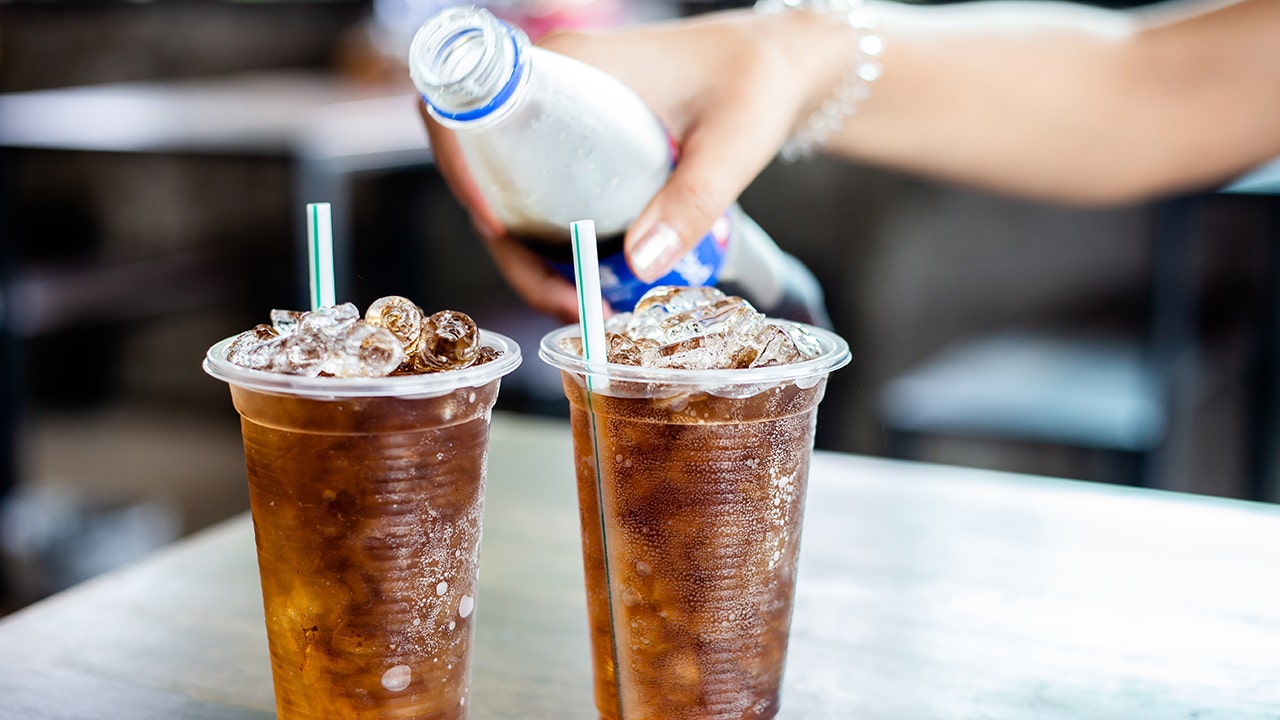
What started as a customizable soda shop idea has become a nationwide sweet moment. These drinks mix soda with flavored syrups, creamers, fruit juices and other garnishes to create something between a soda, a mocktail and a dessert beverage. The result is a highly palatable, very sweet drink that can feel like a treat and act like a metabolic punch.
Nutrition pros warn they can pack a heavy caloric and sugar load in a single cup. Dirty sodas can easily deliver 250 to 400 calories and 55 to 70 grams of sugar in one serving, often more than double the American Heart Association’s daily added sugar limit. That kind of rapid sugar hit is especially risky for people with insulin resistance, prediabetes or diabetes.
“It’s more like a dessert beverage than a soft drink, even if people use diet soda as the base,” she told Fox News Digital. The combo of fast-absorbing sugar and creamy mix-ins is what sets these drinks apart from a plain soda and what makes blood sugar spikes and crashes far more likely.
The drink trend is widely traced back to Utah, where a specialty soda shop popularized customizable soda mixes for people avoiding coffee and alcohol. Local buzz turned into social media fame, and now big beverage players and fast-food chains have versions that mimic that soda-and-cream experience. From national soft drink brands to fast-food menus, the flavor profile has moved from regional quirk to mainstream option.
“There are multiple soda shops in most suburbs here,” one Utah resident wrote on Reddit. That daily-stop habit illustrates how a seemingly small choice can become routine, and routine choices are what build up caloric and sugar excess over weeks and months. When a product is convenient and tastes indulgent, it’s easy to underestimate the cumulative effects.
Clinicians are blunt about the long-term consequences of frequent consumption. “Crumbl needs to be stopped,” Dr. Mark Hyman wrote in a recent social media post about one extreme example, calling it a “metabolic disaster” for its staggering sugar content. Other physicians point out that drinks loaded with processed sugar, saturated fats and empty calories can be addictive and promote obesity, diabetes, heart disease and other chronic illnesses.
Public health guidance stresses moderation because beverages with added sugar are one of the easiest things to change in a diet. The World Health Organization recommends keeping free sugars below about 10 percent of daily energy intake, and cutting down on sugary drinks is a straightforward way to hit that target. Each additional sugary beverage consumed daily raises the odds of high blood pressure, diabetes and heart conditions.
If you want the fun without the fallout, simple swaps help a lot. Try a base of plain seltzer and add a splash of flavored syrup or a small pour of creamer to recreate the mouthfeel with far less sugar. For indulgent versions, choose a small size, consider a diet soda base, and save it for occasional treats rather than daily habits. “It really belongs in the same category as a cake or a milkshake – occasionally, and in smaller portions.”
