
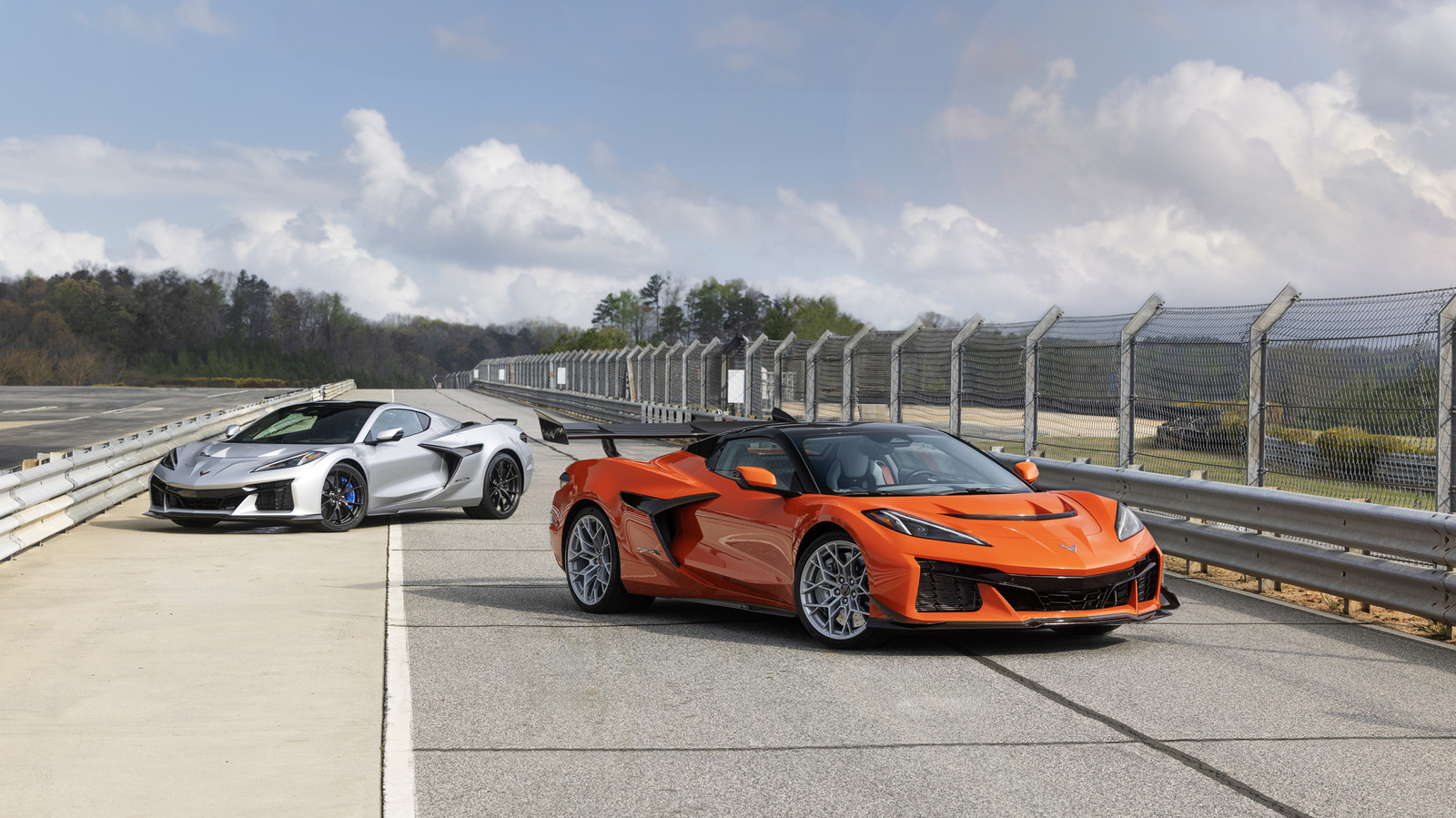
Corvette ZR1X, the midengined hypercar, just smashed another Pikes Peak Hillclimb record in Colorado, and this piece walks through what happened, why it matters, and what the run reveals about modern performance engineering.
The ZR1X arrived at Pikes Peak with a clear mission: push the envelope. That mission translated into a run that added yet another record to the car’s growing list, proving the concept can handle real-world extremes and not just showroom bragging. The mountain punishes any weakness in cooling, grip, or setup, so a clean run there says a lot.
Under the sheetmetal, the ZR1X blends brute force with focused aerodynamics. Engineers took what works on the track and adjusted it for the changing altitude and tighter corners of Pikes Peak, where thin air chops engine power and aerodynamic loads shift. Getting that balance right meant dialing in cooling paths, downforce levels, and suspension settings that keep the car stable over a very long climb.
Tires and brakes get a cold shoulder in reports but they are central up the mountain. The surface changes, heat builds in unexpected spots, and repeated braking zones test materials like nowhere else. Choosing the correct rubber and managing pad temperatures were key parts of the ZR1X program, helping the car hold a consistent pace rather than spike and fade.
Driver input and confidence matter as much as the hardware. At Pikes Peak a pilot must blend aggression with precision, carrying speed where the road narrows and settling the car where the margin for error disappears. The ZR1X’s chassis dynamics let the driver push later into corners and trust the car to straighten up predictably on exit, which is the difference between a headline time and a near miss.
The record run also underscores how modern hypercars are evolving beyond straight-line bragging rights. Manufacturers now tune systems for varied real-world challenges, and the ZR1X proves that a midengined layout can be both viciously quick and remarkably composed on a twisty, high-altitude climb. That versatility is what buyers and engineers alike are chasing: performance that performs when it matters, not just on paper.
There’s a ripple effect when a high-profile run like this happens. The learnings from setup, cooling strategies, and aerodynamic tweaks feed back into future models and track packages. That means what was tested under extreme conditions at Pikes Peak can show up in better everyday handling, improved reliability, and sharper performance for customers who actually drive their cars hard.
Watching the ZR1X conquer Pikes Peak also highlights the value of targeted engineering over headline horsepower. When the environment fights back with altitude and ever-changing corners, brute power without a detailed plan falls short. The successful run shows the payoff when teams marry systems thinking with careful testing and relentless on-site adjustments.
The finish was loud, but the lesson is quieter and more technical: attention to detail wins where conditions are the harshest. Whether you care about lap times or just want a machine that feels planted, the ZR1X’s run at Pikes Peak demonstrates that a holistic approach to performance pays dividends. This hillclimb proved the car’s promise under pressure and left a clear message for competitors and enthusiasts alike.
