
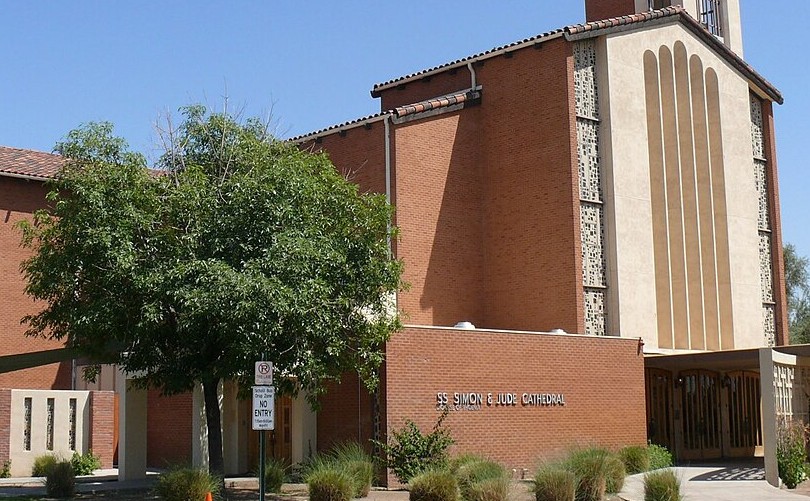
The Diocese of Phoenix is laying out what synodality will look like on the ground, emphasizing clear doctrinal limits and open listening. This piece explains how local conversations are being structured, how parishioners can take part, and how clergy are balancing pastoral responsiveness with fidelity to Church teaching. The goal is practical clarity so Catholics know what to expect during the synodal process.
‘Divinely revealed doctrine is unchangeable. We’re not going to be adding a Fourth Person of the Trinity or repudiating the Real Presence of Christ in the Eucharist,’ Fr. Charles Kieffer said in response to concerns about synodal orthodoxy. His words landed as a simple, direct reassurance to parishioners worried that discussion might drift into doctrinal revision. The tone was firm but inviting, meant to separate faithful inquiry from theological speculation.
Synodality in Phoenix is being framed as listening paired with guidance, not as an open-ended rewriting of doctrine. Parish meetings and listening sessions are set up to collect experiences, needs, and ideas from everyday Catholics. Clergy and lay leaders will summarize what they hear and pass those summaries up the diocesan chain, where bishops and theologians will review them.
Practically, the process attempts to keep pastoral creativity within doctrinal guardrails. Local pastors are encouraged to propose pastoral responses to real needs, for example expanding faith formation or improving outreach. Those proposals are evaluated against core teachings so new initiatives don’t contradict established doctrine, especially on sacraments and liturgy.
There is explicit attention to catechesis, because many concerns stem from confusion about fundamentals like the Eucharist. The diocese plans targeted teaching moments so parishioners have clear resources about what the Church actually teaches. That helps make discussion constructive, since people speak from a shared baseline of what the faith is.
Laity involvement is being promoted as central, not symbolic. Parish councils, volunteer committees, and listening groups are invited to document pastoral needs and suggest practical steps. Yet those contributions are distinct from magisterial authority; recommendations inform bishops, they do not replace doctrinal leadership.
Discernment is described as a two-track effort: gather real-life experience, then evaluate it with theological clarity. The first track privileges testimony about family life, parish struggles, and local outreach gaps. The second track places those accounts against scripture and tradition, determining which pastoral measures are appropriate and which ideas exceed what the Church can accept.
Training for moderators and facilitators is a practical step the diocese is taking to keep sessions focused and fruitful. Facilitators receive guidance on steering conversations toward pastoral needs and away from speculative theology. That training also includes ways to identify when a comment reflects pastoral concern versus a challenge to doctrine, so leaders can respond appropriately.
Transparency is part of the plan, with summaries of parish feedback communicated back to communities so people see how their input was treated. That feedback loop aims to build trust, showing that listening leads to tangible pastoral proposals. It also helps prevent rumors and misinterpretations that can arise when people feel left out of the process.
The diocese stresses that synodality is about strengthening parish life and responding to real needs while keeping core beliefs intact. Local initiatives that respect doctrine are encouraged and may receive diocesan support. Parishioners are invited to engage confidently, knowing that thoughtful listening goes hand in hand with firm fidelity to what the Church teaches.
