
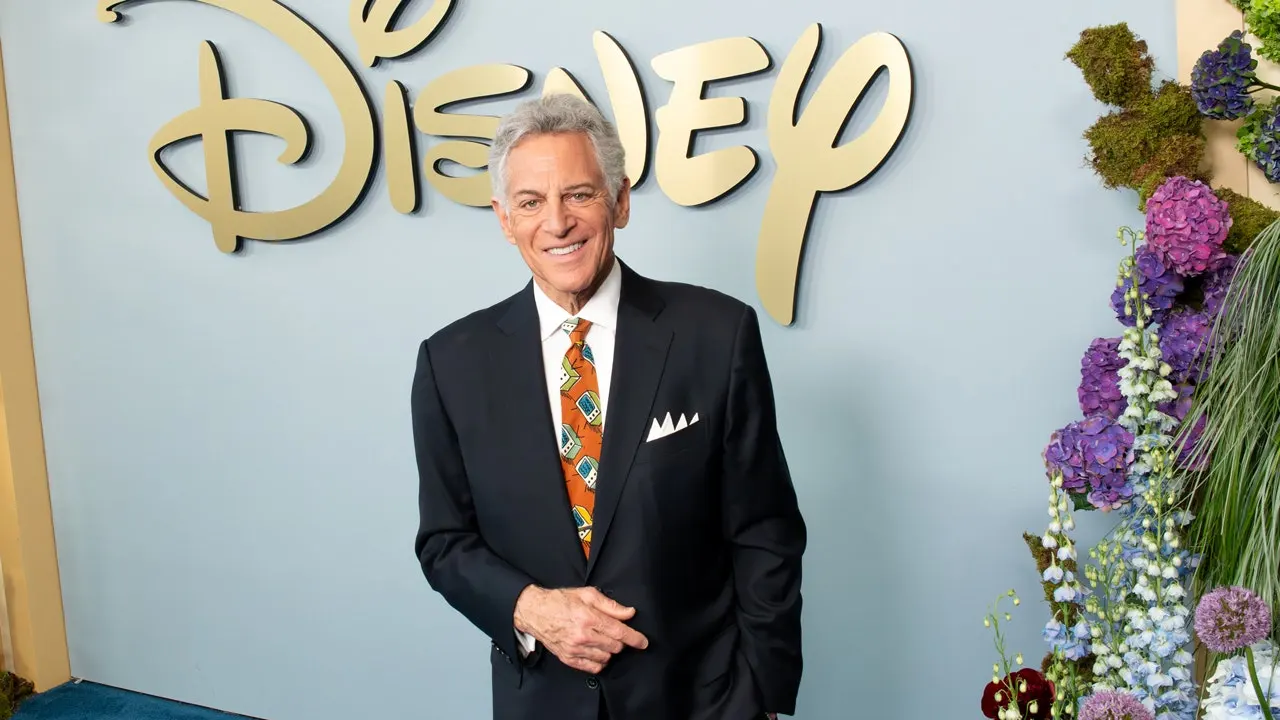
Veteran New York anchor Bill Ritter announced during a live broadcast that he has early-stage Alzheimer’s and that he will step away from nightly anchoring. The move ends a long run at the WABC-TV anchor desk while shifting him into a new role reporting on neurological illness and the families who live with it.
Ritter, 76, told viewers bluntly about his diagnosis during what he said would be his final newscast. “After a series of tests, my doctors have told me I have Alzheimer’s,” he said, and then added more about where things stand now.
“It’s early-stage Alzheimer’s, and they say the treatments I’m getting are keeping it at bay, for now,” he continued. “But there is no guarantee, because there’s no cure yet for Alzheimer’s.” His tone was steady and clear, the sort of straight-ahead delivery New Yorkers came to expect over decades.
“So, unless someone finds an amazing cure, and soon, tonight will be the last newscast I anchor,” he added. That announcement closed a chapter that began when he joined the station in the late 1990s and rose to become a nightly presence in city living rooms.
Ritter’s journalism career included time at the Los Angeles Times, local California television, and work for ABC News before he became part of the WABC-TV team. He started on the station’s 11 p.m. broadcast in 1999 and was added to the 6 p.m. newscast in 2001, anchoring the city’s evening news for more than two decades.
Station leadership said Ritter will remain with the outlet in a reporting capacity focused on Alzheimer’s and other neurological conditions, offering updates and resources for families. “For decades, Bill Ritter has covered and led New Yorkers through the stories that matter most,” WABC-TV General Manager Marilu Galvez said, and she framed his next steps as both personal and public service.
“A defining presence at ABC7, he has done so with exceptional insight, integrity and, most of all, heart, earning the love and respect of viewers and colleagues alike,” she continued. “While he is stepping away from daily anchoring, he will continue to be an integral part of our ABC7 family, including sharing personal updates and providing resources to help others impacted by Alzheimer’s better understand the disease and the resources available to them.”
“Bill is strong, brilliant, and resourceful, and we look forward to his continued reporting on Eyewitness News,” Galvez added. Those remarks echoed the tone of gratitude and respect heard from colleagues and local officials after the broadcast.
New York City Mayor Zohran Mamdani offered a public message of support, noting the role Ritter has played in city life. “For decades, Bill Ritter has been a trusted presence in New Yorkers’ homes, helping us make sense of the news that shape our city,” he wrote on X.
“His courage in sharing his Alzheimer’s diagnosis will help countless families facing the same challenge feel less alone,” he continued. “Wishing Bill, his loved ones, and everyone affected by Alzheimer’s strength in the days ahead.”
Colleagues also posted heartfelt reactions on social media, recalling Ritter’s work ethic and warmth. “For decades, I’ve reported for his show and even filled in, anchored w him,” WABC-TV reporter Lucy Yang wrote. “He never gave less than 110% I salute you. I thank you. And I will pray for you.”
Lee Goldberg, the station’s chief meteorologist, captured how many felt about Ritter’s legacy and next chapter. “He preaches be kind, take care of each other, & we’re all in this together,” Goldberg said on X. “Now, in addition to doing these things for himself & his loving family, he’ll build on his legendary legacy by helping millions who share his battle.”
“You’re a saint, and my hero @billritter7,” he added. “Love you.” The outpouring emphasized a combination of admiration and the practical hope that Ritter’s visibility will assist others dealing with the disease.
Ritter also made a private connection public during the broadcast, recalling that his father died from Alzheimer’s in 1998 after a long fight with the illness. That family history underscored why he plans to focus his experience and platform on reporting about neurological conditions and the support systems that matter to patients and caregivers.
