
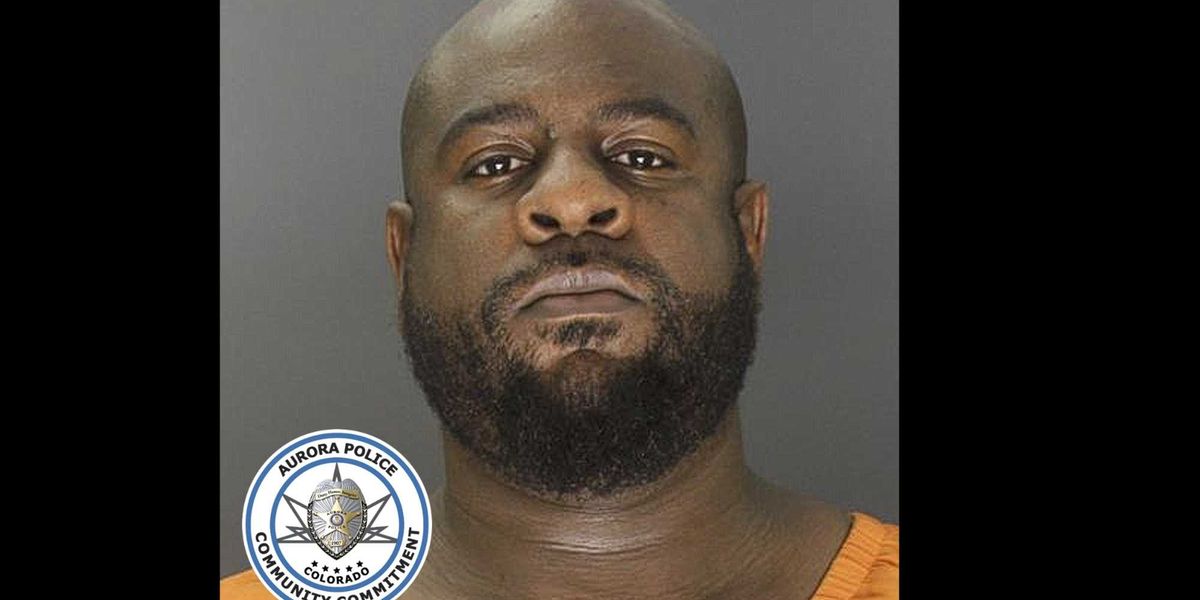
What started as a tense protest outside an ICE facility quickly turned into a violent scene, with a vehicle, a crowd, and a gunshot all colliding in a moment that left one woman wounded and a lot of questions behind. Police say the man behind the wheel was trying to move through the blocked area when the situation escalated, while protesters and officers were left sorting out exactly how the confrontation spiraled so fast.
The incident has put a hard spotlight on the growing friction around immigration enforcement, public demonstrations, and the split-second decisions people make when tempers run hot. In a case like this, the details matter, because what looked like chaos on the street now carries serious criminal stakes for everyone involved.
According to authorities, the trouble began when protesters blocked the man’s vehicle outside the ICE center. The confrontation grew more intense from there, and police say the driver allegedly shot a woman during the clash before the scene was brought under control.
The accused employee is now facing an attempted murder allegation, and the case is drawing attention because it lands at the intersection of immigration politics and street-level protest pressure. When a political dispute spills into a physical standoff, it stops being about slogans and starts becoming about safety, judgment, and the rule of law.
That reality is what has many people focusing on how quickly an ordinary blockade can become something far more dangerous. A vehicle trapped in a crowd creates panic, but that does not erase responsibility for what happens next, and investigators will likely be sorting through that chain of events carefully.
Police have not framed this as a simple misunderstanding, and the attempted murder label makes clear how seriously they are treating the shooting. At the same time, the protest context matters too, because blocking a car and surrounding a driver can turn a tense moment into a pressure cooker in seconds.
The broader fight over immigration enforcement has been building for years, and ICE facilities often become flashpoints when activists want to send a message. Those protests can be loud, heated, and disruptive, but when the confrontation moves from chanting to physical obstruction, the odds of something ugly happening rise fast.
For people watching this unfold, the most troubling part is how familiar the pattern feels. A high-stress political scene, a confrontation that gets out of hand, and then a life-changing injury that forces everyone to confront the cost of letting anger take the wheel.
There is also a deeper public-safety issue here that goes beyond one arrest or one protest. When people assume a crowd gives them cover or a vehicle gives them control, the result can be a bad decision made at the worst possible time, and this case appears to be headed straight into that hard territory.
The legal process now becomes the center of gravity, with investigators and prosecutors likely piecing together who did what, when, and why. Witness accounts, video, and physical evidence will matter a lot, especially in a case where competing narratives are already starting to form around the shooting.
Even with the facts still being sorted out, the message from this episode is impossible to miss. Political anger, blocked streets, and fast-moving confrontations are a volatile mix, and once violence enters the picture, everybody involved is suddenly dealing with consequences that can’t be walked back.
