
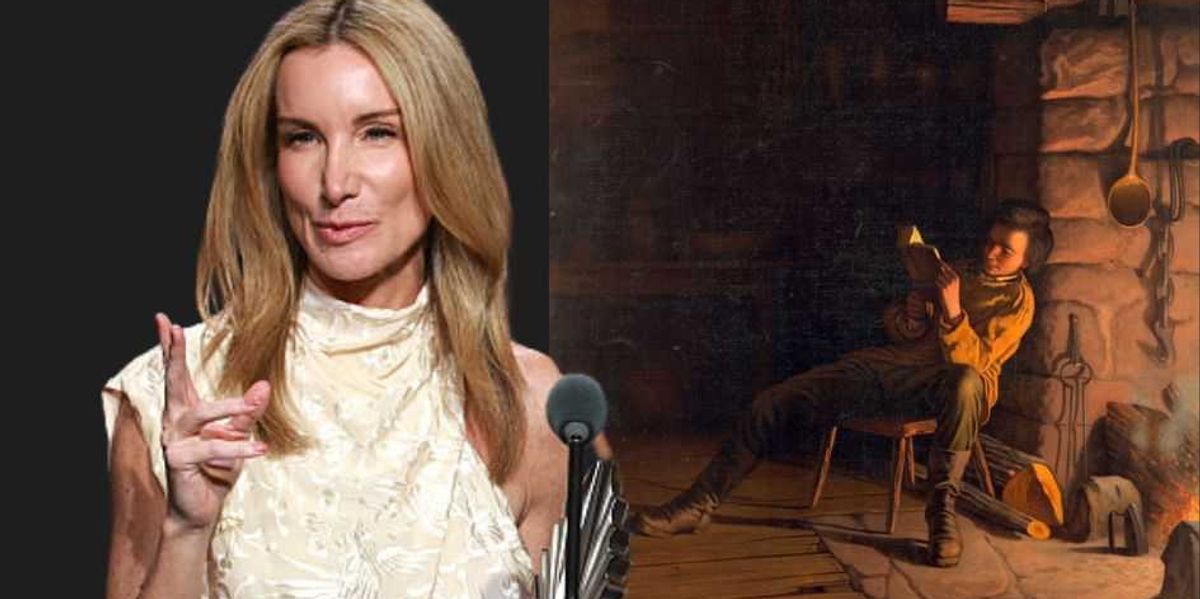
The argument over homeschooling keeps coming back because it taps into something bigger than lesson plans and schedules. At the center of it is a clash over who gets to shape a child’s worldview, and whether families should trust institutions that may not share their values.
Critics often frame homeschooling as a risky outlier, but that ignores why so many parents choose it in the first place. For a lot of households, it is not about hiding children from the world. It is about protecting them from confusion, pressure, and messages that conflict with what happens at home.
One reason the anti-homeschooling routine falls flat is that parents know their own children better than any system ever will. They see what clicks, what causes stress, and what kind of environment helps a child thrive. That kind of personal attention is hard to fake in a crowded classroom where one approach is supposed to fit everybody.
Another problem with the usual criticism is that it assumes school buildings automatically produce better outcomes. That is not how life works. Plenty of kids in traditional settings struggle with distractions, bullying, weak instruction, or an atmosphere that feels more like social engineering than education.
Supporters of homeschooling also point out that learning does not stop when a textbook closes. Kids can grow through family conversations, church involvement, reading, community service, and real-world experiences that build character alongside knowledge. That broader kind of education often lines up more closely with a biblical worldview than a system built around trends and bureaucratic rules.
The debate gets even sharper when people talk about faith and values. Many parents do not want a school culture that treats moral truth like a joke or hands out approval for whatever the latest cultural wave happens to be. They want discipline, purpose, and teaching that reinforces traditional values instead of eroding them.
That is why familiar public examples matter so much. When athletes and public figures are praised for grit, humility, and excellence, people often admire those traits without asking where they were formed. Yet families see a clear connection between strong home foundations and the kind of resilience that later shows up in figures like Tim Tebow, Serena Williams, and Simone Biles.
None of that means every home is automatically ideal for homeschooling, and no honest person should pretend it is effortless. It takes time, patience, and a serious commitment from parents who are willing to stay engaged. But difficulty is not the same as failure, and busy families are often willing to work hard when the payoff is a child who is grounded, curious, and confident.
The loudest critics also tend to act as if homeschooling must be isolating, when many families build rich networks through co-ops, church groups, sports, and local activities. Those connections can give kids plenty of social experience without forcing them into an environment that leaves them feeling unseen. In that sense, homeschooling can be both personal and outward-facing at the same time.
What really unsettles opponents is that homeschooling keeps proving it is not a fringe escape hatch. It is a deliberate choice by parents who want a say in what their children absorb and why it matters. And as more families push back against empty slogans about one-size-fits-all education, that choice is becoming harder to dismiss.
