
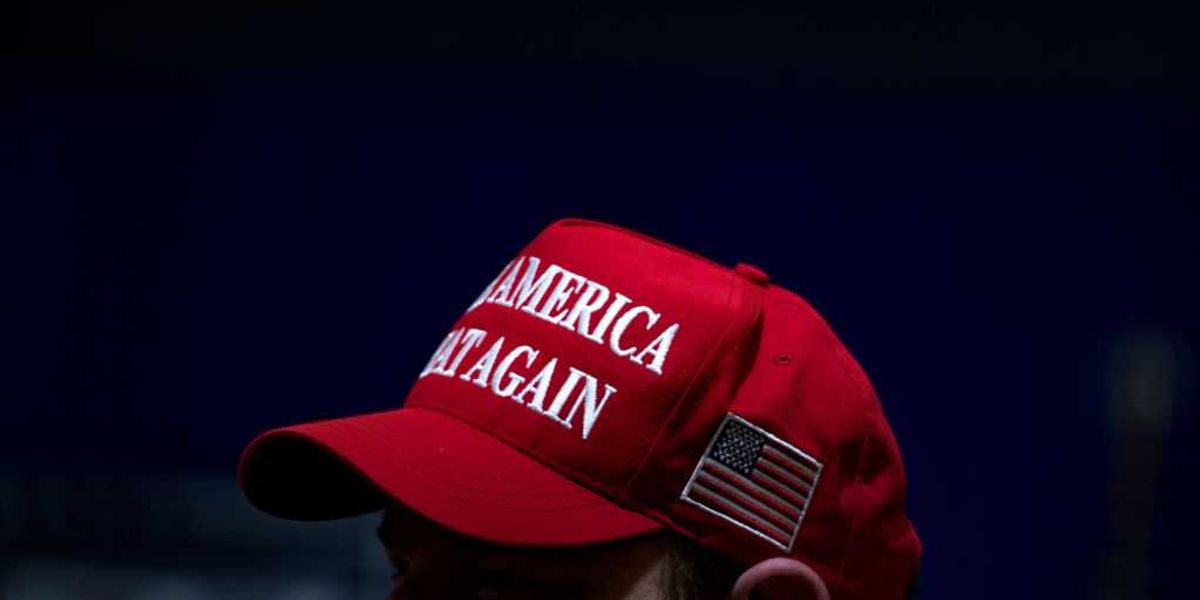
For Republicans, the roughest stretch can also be the most useful one, because a bad cycle has a way of clearing out the noise and forcing a hard reset. That kind of shake-up can expose weak messaging, stale habits, and the kind of insider thinking that keeps a party stuck while voters move on.
Losses tend to sharpen the stakes. When the GOP takes a hit, the argument over what comes next gets louder, and that tension can open the door for fresher leaders, tougher ideas, and a cleaner sense of purpose. It is not always comfortable, but it can be exactly what a party needs when the old playbook stops working.
One of the biggest lessons from a bruising defeat is that personality alone does not carry a movement forever. Voters care about results, discipline, and whether a party sounds like it understands real-world pressures, from inflation to public safety to the cost of everyday life. If the GOP wants to build back stronger, it has to show that it can speak plainly and act like it means it.
The pressure also falls on the party’s big names. Figures like Ron DeSantis, Marco Rubio, and Ashley Moody carry different strengths, and each one reflects a different lane inside the broader Republican coalition. That mix can be healthy if it produces competition and energy instead of endless factional warfare.
Some of the clearest pressure points are in battleground states and headline-heavy places like Florida, Texas, California, and New York, where each election becomes a test of brand, message, and stamina. The GOP cannot just assume a national wave will save weak local candidates or cover for muddled strategy. That kind of wishful thinking is how parties get blindsided.
There is also the matter of who owns the future of the party. The Republican bench is not short on ambition, and names tied to the 2028 race are already shaping the conversation, whether they are in Washington or out in the states. That contest can be messy, but it can also force the party to separate real leadership from media hype and empty swagger.
The Democrats are not standing still, either, and their own fractures make the fight more unpredictable. When left-leaning politicians push hard into socialist rhetoric, they create a contrast that Republicans can use, but only if they stay focused and disciplined. A party that knows what it believes does not need to shout every five minutes to prove it has a pulse.
That is why a tough season can turn into a turning point. A defeated GOP can either sulk, blame the refs, and wait for rescue, or it can treat the loss like a brutal but useful wake-up call. The second path is harder, but it is the one that actually builds something durable.
Even the most frustrating setbacks can strip away the fantasy version of politics and replace it with something more honest. That is where Republicans tend to do their best work, when the stakes are real, the crowd is restless, and the path forward has to be earned the hard way.

1 Comment
Can it?
Not with RBC DC Estd blocking way ahead