
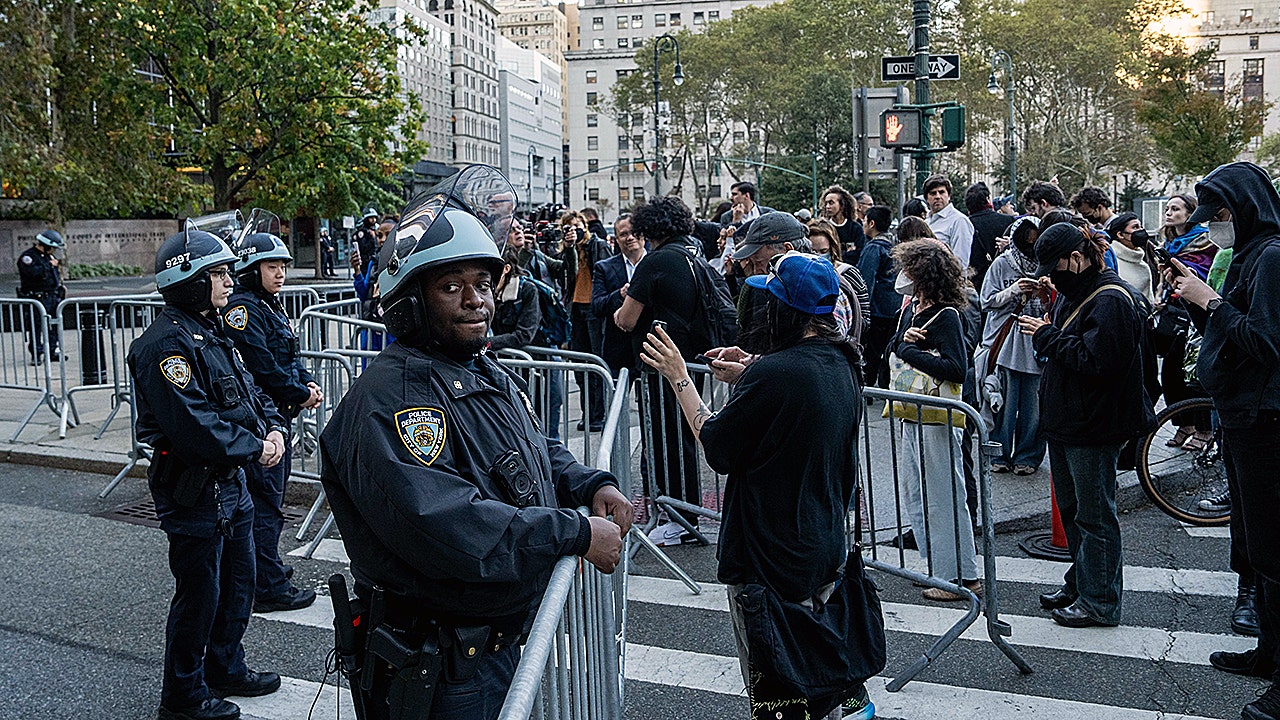
Zohran Mamdani is moving toward one of the biggest policing overhauls of his tenure, with plans to break up the NYPD’s Strategic Response Group and shift its responsibilities elsewhere. The move lines up with a campaign promise, but it also opens a messy debate about protest policing, counterterrorism, and who picks up the slack when a major unit gets taken apart.
Mamdani is reportedly preparing an announcement that would disband the SRG, a unit that has long sat at the center of tense public safety fights in New York City. The group handles protests, civil unrest, and large-scale events, while also playing a role in counterterrorism and other high-risk operations. That mix has made it useful to city officials and controversial to activists who see it as a heavy-handed force.
According to reporting cited in the article, the mayor wants to split those duties and stop treating protest response and counterterror work as one package. That idea has been simmering for a while, and it matches the broader direction of his administration. City Hall has already talked about moving the SRG under the new Office of Community Safety, which suggests the goal is not just to trim a unit, but to reshape how New York reacts when streets get loud, tense, or unpredictable.
The SRG’s defenders point to its practical role. The NYPD describes it as a key resource for citywide mobilizations, demonstrations, shootings, bank robberies, missing persons cases, and major events like parades and the pope’s visit. It is also used when extra manpower is needed because crime or other conditions are getting worse, which is the kind of detail that makes a clean breakup look a lot harder than a campaign slogan.
Jessica Tisch has pushed back on the idea that the unit is just a protest squad waiting to be scrapped. During budget talks, she said the department’s conversations were about how protests are policed more generally, not about dismantling the SRG outright. She also made clear that the unit is not usually sent to peaceful demonstrations, but to protests that involve criminal activity, which is a big distinction in a city where the line between lawful protest and chaos can vanish fast.
The numbers also matter. Tisch said the NYPD facilitated 4,255 protests in 2025, and the SRG was present at 245 of them, or about 6%. That figure gives the city a way to argue that the unit is not everywhere all the time, while also showing it still has a role in a huge volume of public events. In a city like New York, even a small percentage can still mean a very busy operation.
Mamdani has been blunt about where he wants this to go. He said the SRG was created more than a decade ago for terror-related threats, but has since become tied to both counterterrorism and First Amendment policing. His view is that those missions should be separated, and he has said that conversation is ongoing with the police commissioner.
That stance fits the pressure he faces from the left, where some supporters want the city to go even further on policing reforms. At the same time, the mayor has resisted demands to fire Tisch, even as critics tried to turn up the heat after an ICE-involved shooting in the Bronx. The result is a familiar New York fight, with public safety, political loyalty, and street-level reality all crashing into one another.
City Hall has not been eager to spill every detail yet, but spokesperson Dora Pekec said the administration will disband the Strategic Response Group and separate protest response from counterterrorism. That leaves a big practical question hanging in the air, because the city still has to manage demonstrations, emergencies, and public disorder without stumbling into a vacuum that could make the next crisis even uglier.
