
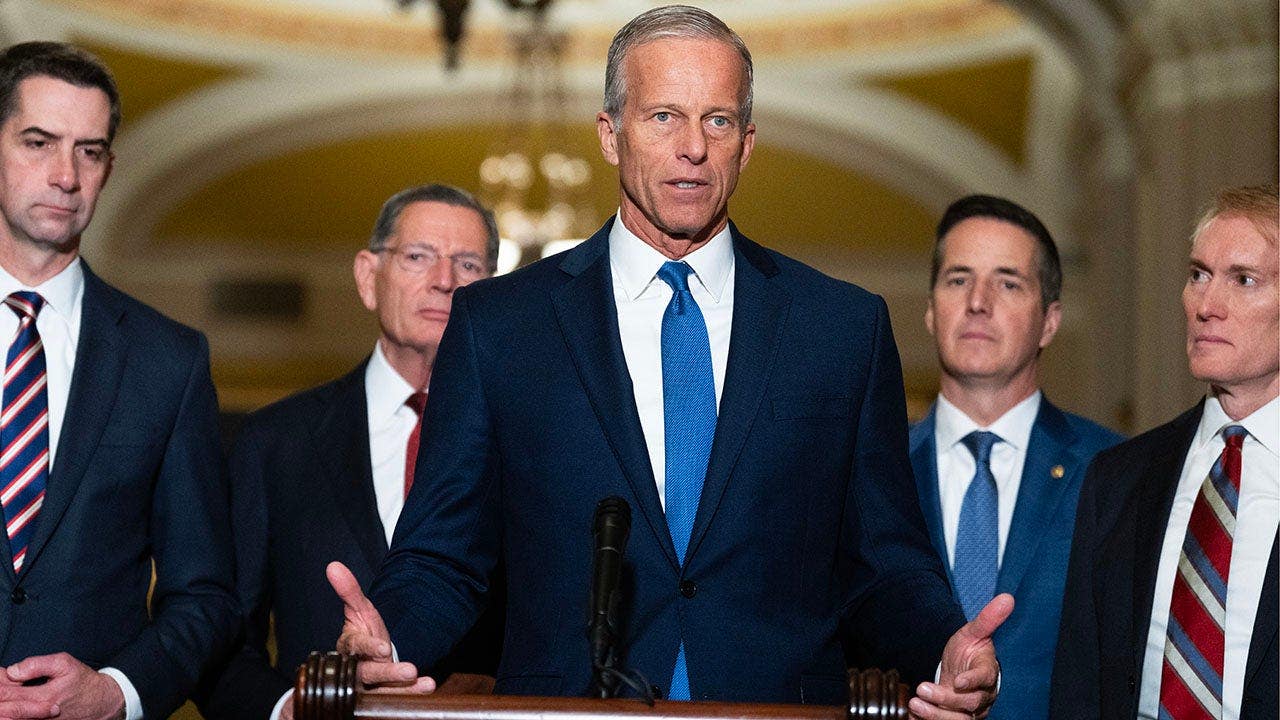
The Heritage Foundation’s post-election gathering turned into a blunt, sometimes fiery look at where Republicans went wrong and what comes next. John Thune took the brunt of the anger, but the broader mood was about more than one senator, with attendees digging into midterm losses, election integrity, and the future of the GOP bench.
When the event at National Harbor was first put together, nobody could have predicted how rough the midterms would be for Republicans. That reality made the Forum feel less like a routine conservative conference and more like an emergency meeting, with Kevin Roberts arguing the moment only raised the stakes.
The big questions were simple and uncomfortable. Why did Republicans get hammered so badly, and what does the party do now that the smoke has cleared?
Thune became the easiest target in the room. Roberts went straight at him with the phrase “watered-down conservatism,” and that line set the tone for much of the day, as speakers and attendees vented frustration over what they see as timid leadership and a party too often content to slow-walk fights it should be eager to win.
The criticism was not just about style. It was also about results, especially the stalled SAVE America Act, which many conservatives viewed as a missed chance to show real urgency on election integrity.
That issue clearly hit a nerve. Yoram Hazony called the backlash over the bill a sign that Republicans are ignoring an 80/20 issue, while Rep. Chip Roy unloaded on the habit of hiding behind Senate procedure instead of delivering actual wins for voters.
Roy’s message was raw and direct, and it matched the mood in the room. Conservatives there wanted action on the border, public safety, and limited government, not a lecture about why nothing can be done.
Not everyone was focused on blame. Some speakers shifted toward the harder part, which is figuring out how a battered party rebuilds trust after a rough cycle and keeps younger voters from drifting away.
Ben Domenech made the point that the GOP cannot afford to treat young men like a joke just because they spend time online or play video games. In his view, that crowd is part of the coalition, and mockery only pushes them further out the door.
Mary Katharine Ham added another dose of reality by saying elections are increasingly about mood, energy, and whether voters want to punish the party in power. On this occasion, Republicans were the ones who got hit, and that kind of loss tends to expose every weak spot at once.
The setback also seemed to widen the conversation around 2028. Names like JD Vance, Marco Rubio, Ted Cruz, and Ron DeSantis are already familiar, but attendees were also floating newer possibilities, which shows how fast the landscape can shift after a bad election night.
Scott Bessent, Kelly Ayotte, Glenn Youngkin, and Pete Hegseth all got mentions, which says plenty about the search for a fresh message and a tougher image. After a defeat this heavy, conservatives are clearly willing to look well beyond the usual shortlist.
Even with the heat in the room, there was still a practical streak running through the conference. Roberts stressed that Heritage will work with whoever is serious about kitchen table issues and about pushing back on the left’s agenda, which is the kind of line that keeps the doors open while the party argues over direction.
That balance may be the real story here. The conservative movement is angry, but it is also looking for signs of fight, and that means Republicans who want support will have to show more backbone, more urgency, and a lot less patience for excuses.
