
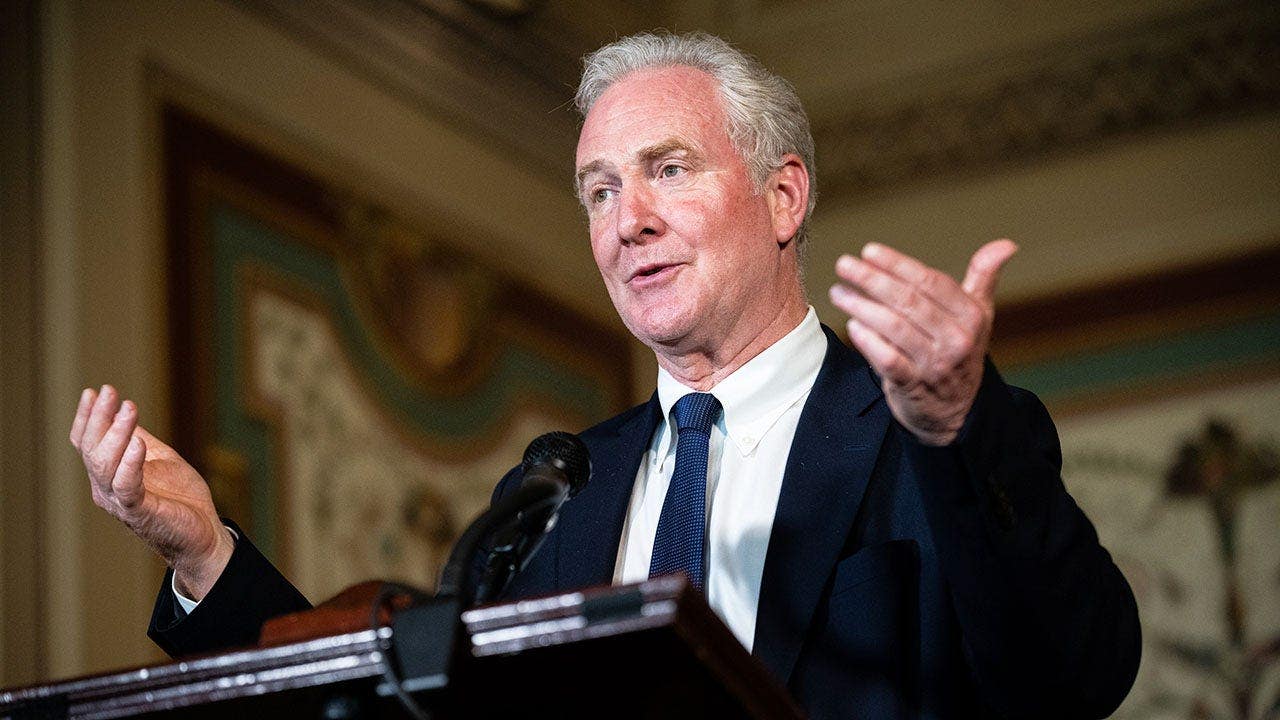
Senate Democrats are heading into a fresh leadership fight after a strong election night, and the clash is already putting Chuck Schumer on defense. Chris Van Hollen has stepped forward as a challenger, arguing the party needs a new face, a sharper message, and less deference to the old guard.
Van Hollen, the Maryland senator with a well-known progressive streak, said the results showed voters wanted change, not just a new set of winners under the same leadership structure. He framed the moment as bigger than one person, pitching his bid as a response to a party that needs to reconnect with working people and stop acting like business as usual is enough.
That puts Schumer in a tricky spot. He has been the dominant Democratic figure in the Senate for years, and his grip on the caucus has started to draw louder resistance from lawmakers who think the party should lean harder into its left flank after the midterms.
Van Hollen did not hide where his frustration comes from. He argued that Schumer backed the crypto industry and AIPAC over progressive candidates who ultimately won, a criticism that cuts straight into the internal tug-of-war over what kind of coalition Democrats should build next.
The timing matters, too. Van Hollen had already been making the rounds with Senate Democrats, and at one point he was also said to be testing the waters for a possible 2028 presidential run, which made the leap into a leadership race feel less random and more like part of a broader political buildup.
His age and experience give the challenge some real weight. At 67, Van Hollen has spent more than two decades in Congress, first in the House and then in the Senate, while Schumer, 75, has been around Washington long enough to know every lever of power and every trap inside his own caucus.
The tension is not happening in a vacuum. Democrats have been split for a while over style, strategy, and who gets to define the party after years of bruising fights over messaging, money, and priorities that range from kitchen-table economics to activist-driven causes.
That split has made the leadership race feel bigger than a routine vote among senators. To supporters of change, Schumer represents a cautious brand of politics that too often avoids hard edges, while Van Hollen is trying to sell himself as the guy willing to take the gloves off and admit the party needs a reset.
Schumer, for his part, is acting like he is not going anywhere. He brushed off the challenge on X, welcomed the debate, and pointed to what he called a strong result for Democrats, saying he already had the votes needed to stay on top.
Still, the pressure on him is hard to miss. When even prominent voices in the party start signaling that the old order is tired, the conversation stops being about courtesy and starts becoming about control, direction, and which Democrats get to steer the next stretch of the fight.
Van Hollen’s move also reflects a bigger truth about the current Democratic mood. The party is energized by wins, but it is also restless, and that restlessness tends to turn inward fast, especially when ambitious senators see a chance to turn electoral momentum into a claim on power.
The race now hangs on whether enough senators believe Schumer is still the safest bet or whether they want a leader who sounds more like the party’s activist wing. That decision is shaping up to be one of the first major tests of how Democrats want to define themselves after the election dust settles.
