
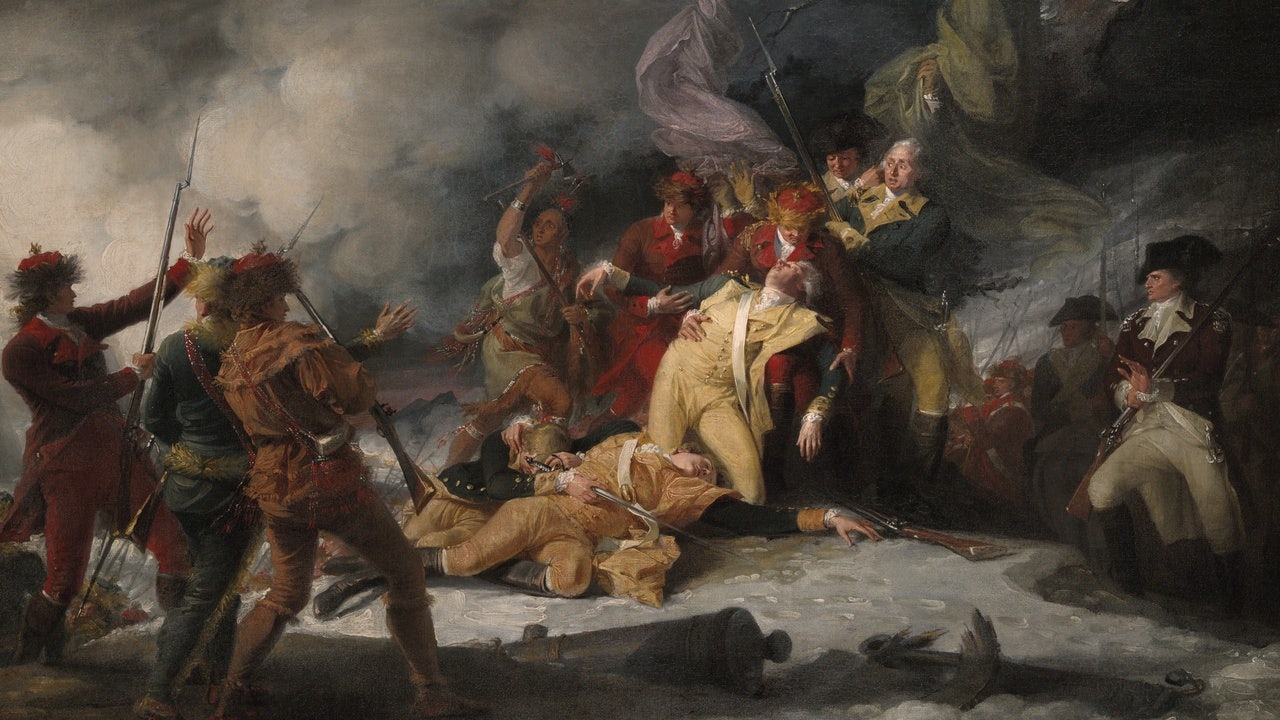
The march through Maine in the fall of 1775 turned a bold plan into a savage survival test. What began as a sweeping push toward Canada became a nightmare of cold rain, flooded trails, empty bellies, and men driven past the edge of exhaustion.
Here are the core themes that shape the story:
– The dangerous push through the Maine wilderness
– The role of Pennsylvania riflemen and Continental scouts
– Hunger, sickness, and brutal weather
– The strain of hauling boats and supplies through wild terrain
– The human grit that kept the mission alive
The Revolutionary generation was forced to fight more than British regulars. It also had to survive sabotage, shifting loyalties, hostile terrain, and the kind of wilderness that can break an army faster than enemy fire.
That reality came into sharp focus during Benedict Arnold’s expedition toward Quebec. The advance force included riflemen chosen for their woodcraft, marksmanship, and ability to move through country where roads were little more than rumors.
These men were not polished professionals in the modern sense. They were hunters, scouts, and frontiersmen who understood how to move, observe, and survive when every mile might hide disaster.
Their job was to push ahead and make the route workable for the larger army behind them. That meant carrying canoes, marking the way, crossing water, and trying to keep an entire invasion from falling apart before it even met the enemy.
The landscape itself was a relentless opponent. Rivers, ponds, mountains, and mud-streaked carrying places turned the route into a grind, while the weather kept adding fresh misery with every passing day.
The heavy bateaux trailing the main force only made things worse. Built from rough materials and battered by rain and cold, they leaked, warped, and slowed everything down, leaving men soaked and irritated before the real hardship even began.
At the Great Carry, the mission hit one of its most punishing stretches. Rain turned the ground into a trap of slime and roots, and the men struggled to drag boats and gear across terrain that seemed determined to swallow them whole.
That kind of labor wears on more than the body. It chips away at morale, turns jokes into coping tools, and forces men to lean on each other just to keep moving one more mile.
Then hunger entered the picture and changed everything. Food ran short, contaminated water spread disease, and dysentery weakened the ranks until even simple movement became a burden.
Arnold cut the rations to stretch what was left, but that only underscored how deep the crisis had become. The men still faced a long wilderness with winter closing in and no guarantee of rescue on the far side.
Storms made an already bad situation nearly unbearable. Floodwaters rose, camp supplies were ruined, and the route itself became so confused that men could barely tell where one river ended and another began.
Even money meant to support the expedition vanished into the chaos when a barrel of coins was lost in the rushing water. In a march already stripped to the bone, that kind of loss had to feel almost unreal.
By the time snow arrived, the expedition had entered a punishing new phase. Men trudged through drifts, sank into hidden bogs, and kept going on starvation rations that would have crushed most people in short order.
Still, the riflemen pressed ahead with a hard kind of courage. Their march was not glamorous, not tidy, and not remotely heroic in the movie sense, but it revealed something deeper, the stubborn will to endure when quitting would have meant disaster.
That is what makes the story linger. It is not just about an invasion route or a military gamble, but about the raw price paid by ordinary men who kept moving through cold, mud, hunger, and fear because the cause demanded it.
When relief finally came, it did not erase the damage already done. The survivors had been battered by starvation and weather so thoroughly that even the end of the road brought danger, because bodies weakened by deprivation can fail under the shock of sudden food.
The march left behind more than a memory of suffering. It showed how much the Revolution depended on grit, improvisation, and men willing to keep going when the odds were ugly and the wilderness gave nothing back.

1 Comment
Need same Today