
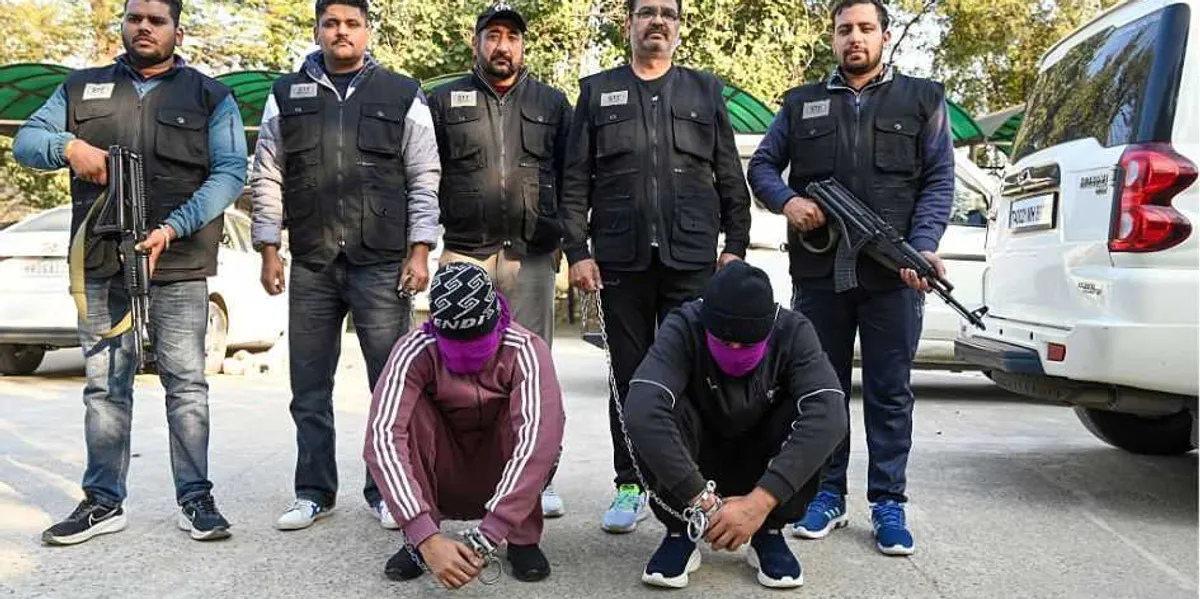
Indian gangs are no longer just a local problem overseas. They have become part of a wider conversation about immigration, street crime, and whether authorities are keeping up with fast-moving criminal networks. What makes the issue so unsettling is that these groups often mix old-school intimidation with modern, cross-border reach, and that combination can spill into American communities fast.
At the center of the concern is the way these gangs organize themselves. They are not always loud or flashy, but they can be highly coordinated, disciplined, and willing to use violence, extortion, or fraud to get what they want. That makes them harder to ignore and harder to contain once they start building a foothold.
The bigger picture matters too. When immigration systems are stretched thin, bad actors can slip through the cracks, and local police are left dealing with the consequences after the damage is already done. A country cannot protect its people if it refuses to take seriously who is entering, who is staying, and what kinds of networks they may be bringing with them.
These gangs also raise a cultural question that gets brushed aside too often. Communities that do not share the same language, values, or trust in law enforcement can become easy targets for exploitation, while outsiders may be reluctant to report what is happening. That silence gives criminal groups room to grow, and once they settle in, they can be tough to uproot.
Law enforcement officials in both the United States and Canada have already seen how organized crime can adapt quickly. If one pipeline closes, another opens. If one neighborhood gets hot, the activity shifts somewhere else, and the people caught in the middle are usually ordinary families trying to live their lives.
The public tends to notice these threats only after they show up in the form of shootings, robberies, drug trafficking, or intimidation campaigns. By then, the gang has already established influence, and the cleanup becomes much more expensive and much more dangerous. Prevention is always cheaper than reaction, but prevention takes political will, and that is often the missing piece.
There is also a plain truth that many officials avoid saying out loud. Not every immigrant is a threat, but pretending that every arrival is harmless is just as foolish as assuming every newcomer is dangerous. The real task is to separate honest people from criminal elements before those elements gain power on American streets.
That means tougher border control, better intelligence sharing, and a much sharper focus on transnational crime. It also means refusing to let political talking points bury real public safety concerns. Families do not care about slogans when a neighborhood becomes unsafe, and they should not have to wait for a full-blown crisis before anyone takes them seriously.
The rise of these gangs is a warning sign, not a fringe story. Criminal groups thrive where governments hesitate, where enforcement is weak, and where communities are left to fend for themselves. If officials want to stop the spread, they will need to treat the problem like the serious threat it is, not like a narrative to be managed and forgotten.
