
• Faith and politics can collide in messy, emotional ways
• Old socialist slogans keep getting dragged into modern debates
• Christian language is often used to defend radically different ideas
• The Bible is being pulled into fights over government and culture
• Texas politics and abortion debates keep the tension front and center
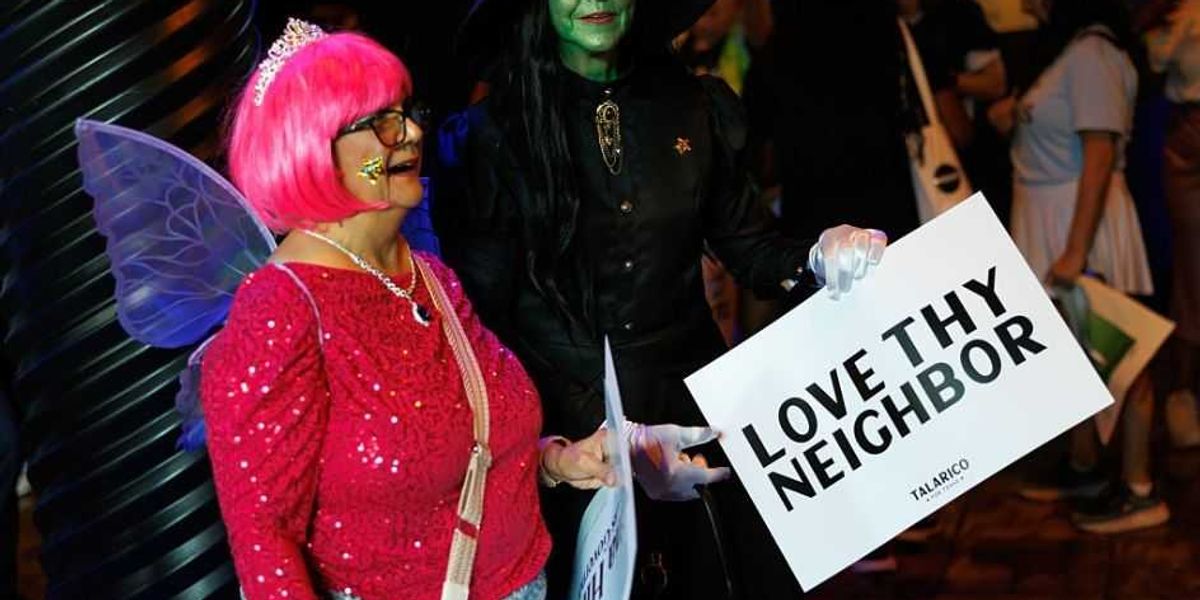
“Love thy neighbor” sounds simple enough until it gets hauled into the middle of a political brawl. Once that happens, the phrase stops being a warm command and starts getting treated like a proof text for everything from public policy to ideological agendas. That kind of misuse is exactly what turns a clear moral idea into a battlefield.
At the center of the argument is a basic confusion that keeps showing up in modern debates: compassion is not the same thing as collectivism. A person can care deeply about struggling neighbors without signing up for a worldview that puts the state in charge of every corner of life. That distinction matters, especially when activists try to dress up radical politics in biblical clothing.
Socialism has a long habit of borrowing moral language that sounds familiar and safe. It likes to present itself as mercy with a government badge, but history keeps exposing the cost when that promise hardens into power. People have seen enough of Cuba, China, and the Soviet Union to know that slogans about fairness can hide a lot of control.
That is why the phrase “Love thy neighbor” should not be twisted into a blank check for left-wing policy. The command is about personal duty, humility, and sacrifice, not about handing every social problem over to bureaucrats. When the line gets blurred, faith stops being a guide and becomes a prop.
This is where Christian teaching and political rhetoric often crash into each other. Many believers want to help the poor, protect the vulnerable, and speak plainly about suffering, but they do not want those goals turned into an excuse for bigger government and weaker families. The argument is not about whether mercy matters, because it does, but about who defines mercy and how far that definition should reach.
The fight gets even sharper when abortion enters the conversation. In Texas and across the country, that issue keeps exposing a deep split between those who see unborn life as sacred and those who treat it as a matter of choice and convenience. Once abortion is on the table, the language of compassion gets tested hard, because the same people urging broad empathy often go quiet when the most vulnerable life is involved.
That tension is part of what makes the current political climate so combustible. Faith-based voters are not just arguing over one law or one candidate, but over the entire moral direction of public life. For them, the question is whether Christian language will be used to defend truth or to sanitize a movement that has very different instincts.
Texas has become one of the places where that clash is easiest to see. The state still carries a strong conservative identity, yet its politics are constantly being tested by activists who want to soften those convictions with sentimental appeals. Midterms only crank up the pressure, because every election season becomes a fresh attempt to redefine what values should actually guide the culture.
James Talarico has become part of that larger fight, especially because he speaks in a register that tries to sound both devout and progressive at the same time. That combination can be persuasive to casual observers, but it also raises a hard question: is faith being used as a sincere foundation, or as a polished wrapper for ideology? For plenty of voters, that difference is everything.
The deeper problem is that political language often pretends there is no tradeoff. It promises compassion without cost, equality without coercion, and solidarity without surrendering freedom. History says otherwise, and religious people know better than to trust a vision that asks for obedience while claiming to be gentle.
So when a phrase like “Love thy neighbor” gets turned into a slogan for socialist ideas, the pushback is not about rejecting kindness. It is about refusing to let a sacred command be reduced to a campaign line. People of faith can care for their neighbors without letting the state define love for them.
