
The WNBA is enjoying real momentum, bigger audiences, louder conversations, and more attention than it has seen in years. But alongside the growth, the league keeps stumbling into avoidable fights that leave fans wondering why something this popular still seems eager to stir up its own drama.
That tension sits at the center of the modern WNBA. On one hand, stars like Caitlin Clark have pushed the league deeper into the mainstream, pulling in casual sports fans who might not have paid attention before. On the other hand, league leadership and player culture often seem determined to police every controversy except the one that matters most to fans, which is keeping the game honest, competitive, and easy to support.
The biggest problem is simple: when a league is finally getting the spotlight it has chased for years, the last thing it should do is alienate the people helping build that spotlight. Fans want intensity, rivalries, and standout performances, not lectures, petty side battles, or a constant sense that the league is more interested in messaging than basketball. That disconnect has made every fresh controversy feel bigger than it should be.
Nothing has sharpened the divide more than the ongoing culture clash around women’s sports and fairness. For many supporters, the point of a women’s league is obvious, to give female athletes a stage that is truly their own. When the conversation drifts into biological sex and transgender athletes, a lot of fans feel the league is dodging a basic truth that matters to the future of competition.
That issue lands especially hard because the WNBA does not exist in a vacuum. Every major women’s sports debate now gets filtered through broader arguments about Title IX, fairness, and whether girls and women are being protected or pushed aside. Plenty of people who care deeply about sports do not want abstract slogans, they want clear rules that respect female athletes first.
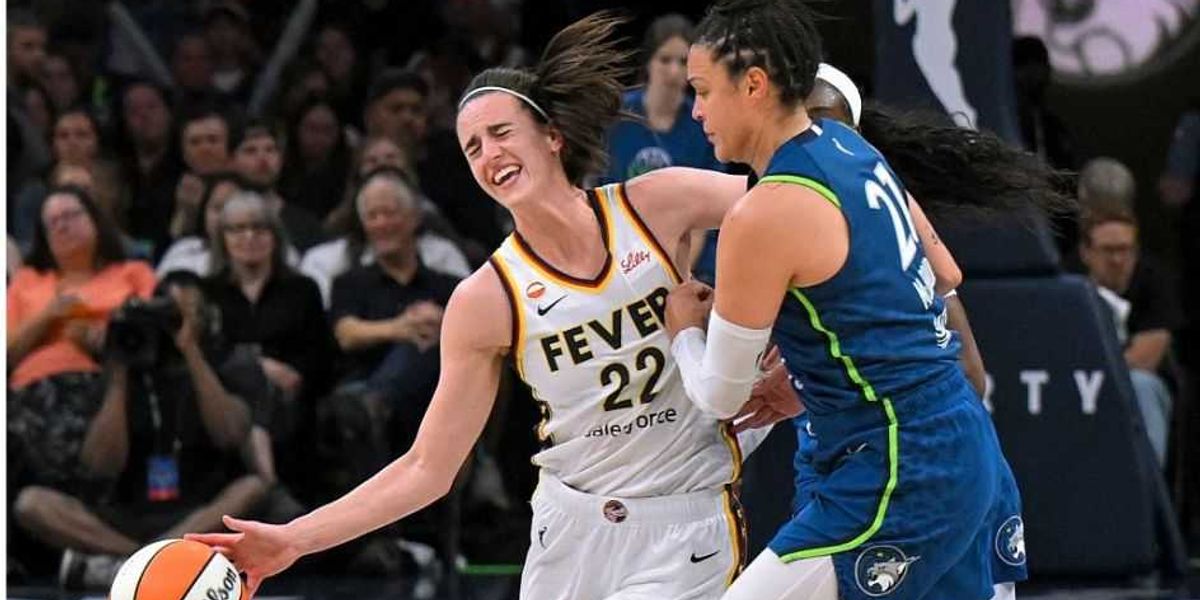
The same friction shows up in the way the league handles its own stars. Caitlin Clark has become the rare player who can pull in both die-hard basketball fans and people who never used to watch the WNBA at all. Instead of treating that as a gift, the league often seems caught between celebrating her rise and resenting the attention she draws.
That’s a bad look, and fans notice. When a league appears unsure about how to handle its biggest breakout star, it sends the message that success is tolerated but not fully embraced. People do not need perfection from the WNBA, but they do want confidence, consistency, and a little common sense.
Then there is the constant noise around personalities inside the league, where every comment can become a mini culture war. Cathy Engelbert, as commissioner, has become part of that wider frustration because the league’s leadership often feels reactive instead of steady. Players like Sophie Cunningham have only added to the sense that some of the loudest voices are more interested in confrontation than unity.
That kind of atmosphere can be entertaining for a minute, but it wears thin fast. Fans can handle strong opinions and a little edge, but they lose patience when drama keeps crowding out the actual product. Basketball should be the main event, not the side dish.
What makes all of this so maddening is that the WNBA has a real chance to win over a new generation of supporters. The talent is there, the storylines are there, and the appetite is there. Yet each time the league picks an unnecessary fight, it risks pushing away exactly the people who are finally paying attention.
The fix is not complicated, even if it seems impossible for some in the league to accept. Protect women’s sports, keep the focus on the players, stop treating every fan concern like a political insult, and let the game breathe. If the WNBA could stay out of its own way, the boom it is enjoying now might turn into something much bigger.

1 Comment
“…. the league keeps stumbling into avoidable fights that leave fans wondering why something this popular still seems eager to stir up its own drama.”
There’s an easy answer to that. Nobody watched until the Black on White racism and fights started. If that is stopped nobody would watch the WNBA.