
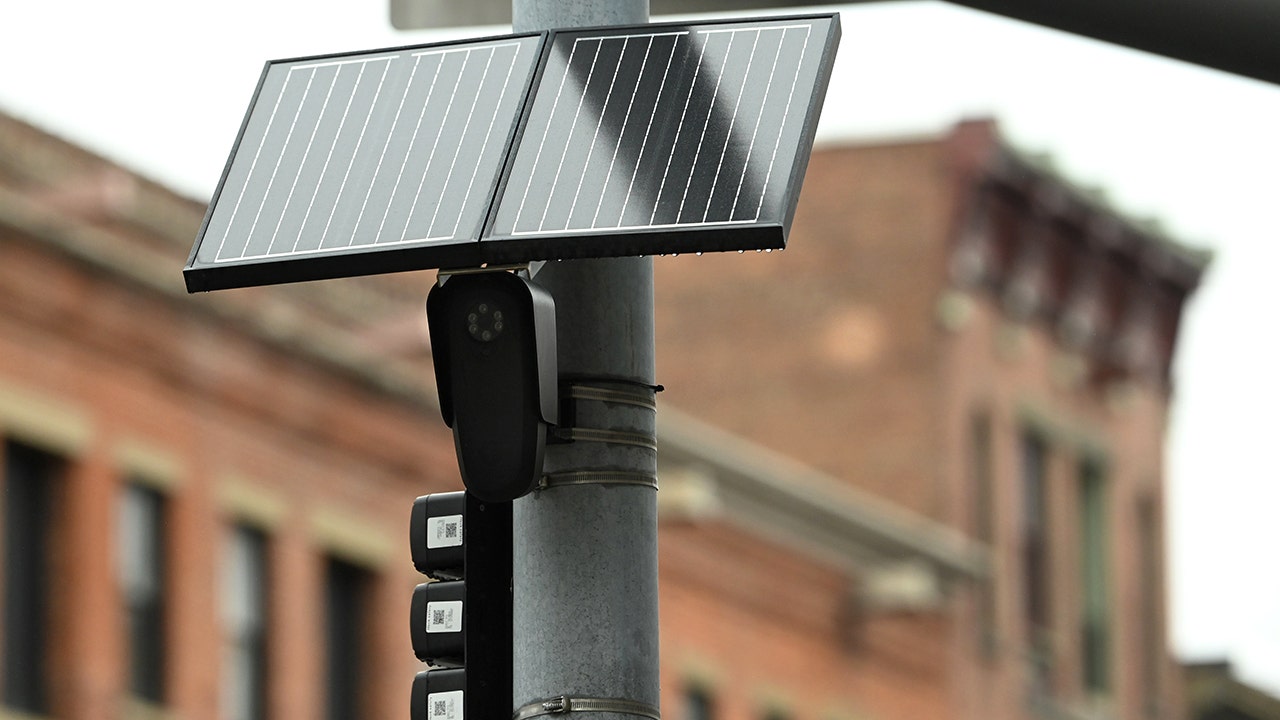
The cameras on street corners and in parking lots are no longer just passive hardware. Automated license plate readers, or ALPRs, now sit at the center of a fierce argument over crime fighting, digital convenience, and whether constant vehicle tracking crosses a constitutional line.
These systems have spread fast because they are cheap, easy to mount, and incredibly effective at collecting data. A passing car can be logged in seconds, then that information can be stored, searched, and shared across agencies when departments allow it.
Supporters say that’s exactly the point. If a plate number is visible to anyone standing nearby, they argue, then the camera is just doing the same thing at scale while giving police a faster way to solve robberies, locate stolen cars, and follow leads that might otherwise go cold.
That’s also why the technology has taken off in towns, suburbs, and big cities alike. ALPR units are usually small, solar-powered, and mounted on poles, buildings, or patrol vehicles, quietly capturing millions of vehicle encounters and feeding them into software that can compare one scan against a massive archive.
The privacy side of the debate is where things get heated. Critics aren’t focused on a single snapshot of a car rolling past a camera, but on the bigger picture created when those snapshots are saved, linked, and searched over time.
That larger record, they say, can reveal where someone works, shops, prays, protests, visits family, or spends the night. In their view, that kind of long-term location history starts to look less like ordinary policing and more like a map of a person’s life.
Concerns also grow when the data moves between jurisdictions. Once one department shares access with another, the system can become a lot more than a local crime tool, turning into a network that tracks travel patterns far beyond the original camera’s reach.
There are also worries about mistakes and abuse. Reports have described situations where officers allegedly used the tools to monitor acquaintances or partners, and other cases where bad scans led to stops, detentions, or frightening encounters for drivers who had done nothing wrong.
At the same time, law enforcement agencies argue that the systems come with guardrails. Vendors point to audit logs, account controls, and retention limits, saying those features are meant to keep searches accountable and make sure the tools are used for legitimate investigations instead of fishing expeditions.
The legal picture is still developing, and that’s part of what makes this fight so messy. Courts have generally said people do not have a strong expectation of privacy in what they expose on public roads, but judges have also hinted that there may be a point where too much data becomes too invasive.
Recent rulings have leaned on the idea that limited camera coverage is different from a full, nonstop record of movement. In one case involving a smaller system, a court said the data was too periodic to amount to a search, while another pending challenge raised the question of whether a much denser network could tip the balance.
That tension has only sharpened in the wake of broader Supreme Court privacy rulings involving digital location data. Even though those cases centered on phones and cloud records, critics of ALPRs say the logic is hard to ignore, because a searchable archive of past movements can expose just as much personal detail as many people expect to keep private.
Republican lawmakers have started treating the issue as a civil liberties problem, not just a tech policy issue. Rep. Tim Burchett of Tennessee has pushed legislation aimed at blocking federal use of mass-tracking tools and cutting off federal funds for similar systems at the state level.
His argument is blunt, and it resonates with a lot of Americans who are tired of feeling watched. The core idea is simple: police should have tools to catch criminals, but the government should not build a silent dragnet that turns everyday driving into a searchable record of where you have been.
That argument is not going away anytime soon, especially as more agencies expand their networks and more private businesses add cameras of their own. The big question now is whether the law will draw a firm boundary before this kind of tracking becomes so normal that people stop noticing it at all.
