
A puzzling kidney disorder is turning up in places where it should not be, and the cases are unsettling because they involve younger adults with no obvious medical warning signs. In Texas, physicians are seeing men in their 20s and 30s arrive with kidney failure, a pattern that echoes hard-hit farming regions overseas and raises fresh questions about what is driving the damage.
The condition is known as chronic kidney disease of unknown etiology, or CKDu, and it has long been linked to agricultural labor in hot regions of Central America and South Asia. Unlike more familiar kidney disease, it does not show up through the usual suspects such as diabetes or long-term hypertension, which makes it harder to spot and even harder to explain.
That is part of what makes the Texas reports so jarring. Doctors say the patients often look healthy on the surface, yet their kidneys are failing anyway, and some have even shown dark urine that signals serious trouble.
CKDu has been described for decades in different parts of the world, but the recent Texas pattern looks a lot like earlier outbreaks in places such as El Salvador and Nicaragua. Similar clusters have also been studied in Sri Lanka, India, rural Thailand and parts of Mexico, suggesting the disease may be tied to a broader environmental or work-related pattern rather than a single local cause.
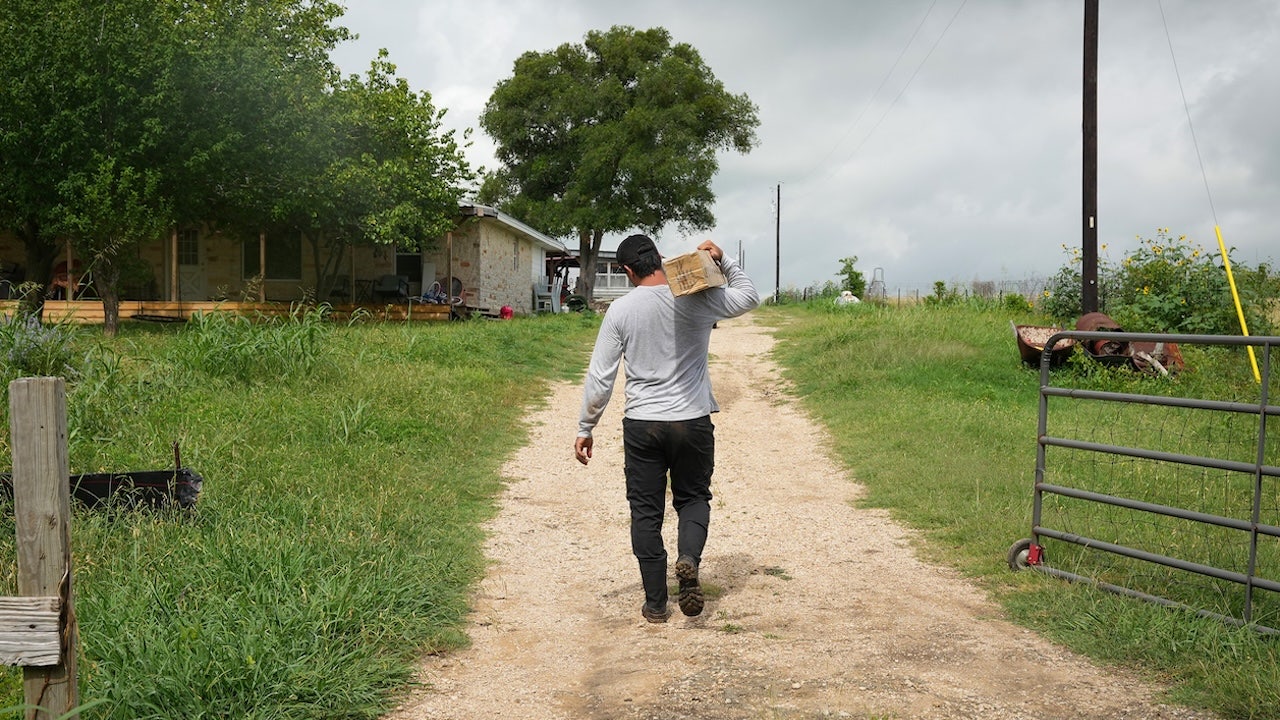
The job itself appears to matter. Outdoor labor in brutal heat, limited water breaks, heavy physical exertion and repeated dehydration can put enormous strain on the kidneys, especially when workers are paid by output and pushed to keep moving.
Researchers also suspect that other everyday factors may stack the odds even higher. Unsafe drinking water, frequent use of over-the-counter painkillers and poor access to medical care can combine with heat stress and leave the kidneys taking hit after hit.
One reason CKDu is so dangerous is that it can stay quiet for a long time. Many patients do not feel sick at first, and by the time they notice fatigue, nausea, weakness or shortness of breath, the disease may already be far along.
That delay matters because treatment options are limited once kidney function drops too far. Dialysis and transplantation can help, but they are expensive, difficult to access and often unavailable in the very regions where the disease is most common.
In Houston, safety-net hospitals have reportedly treated patients who fit the same troubling profile, including undocumented workers from Mexico and Central America. Many of them work in construction, roofing and other outdoor jobs where heat exposure is relentless and medical care is often delayed.
The picture becomes even murkier because some people are afraid to come forward or take part in research. Immigration concerns, financial stress and a lack of regular medical visits can all keep kidney damage hidden until the problem becomes severe.
Doctors say there is no single test that confirms CKDu. Instead, the diagnosis usually comes after ruling out the usual causes of chronic kidney disease and looking closely at a patient’s job history, living conditions and exposure to heat, dehydration and other stressors.
That means screening has to do a lot of the heavy lifting. Blood tests that check kidney function and urine tests that look for protein can catch early changes before a patient feels anything, which is critical in a disease that often moves quietly.
Prevention is where the most practical answers seem to live for now. More shade, more water, shorter shifts in the hottest parts of the day and less reliance on NSAIDs are all ideas that could make a real difference for workers exposed to extreme conditions.
There is still a lot the medical world does not know, but the warning signs are hard to ignore. A disease once associated with distant farming regions is now showing up in Texas, and the people most at risk are often the ones least likely to be protected when the heat turns punishing.
