
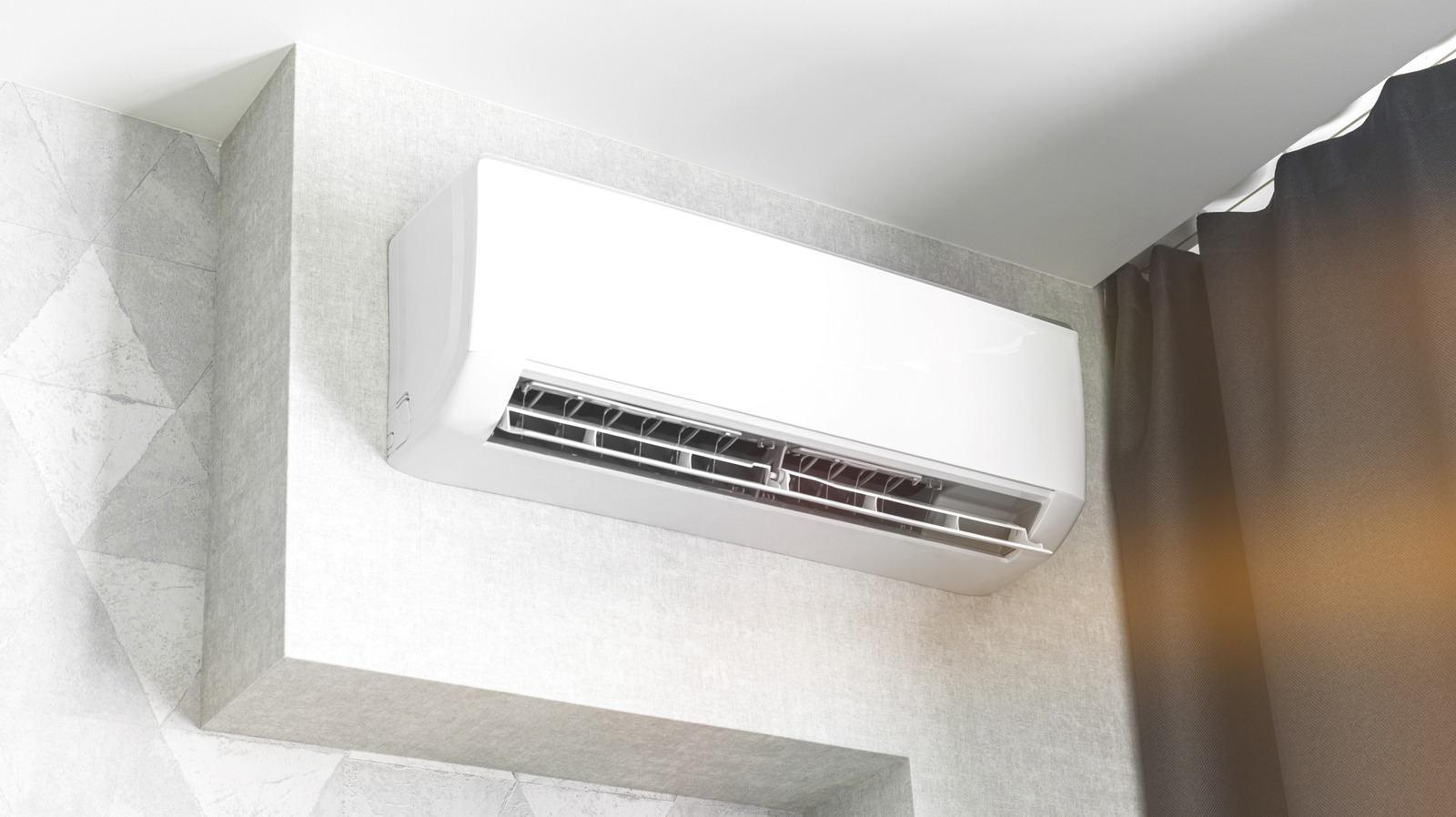
Solar panels and mini splits can work well together, but the answer is not a one-size-fits-all number. The panel count depends on the mini split’s size, how hard it has to work, and how much sun the array gets each day. With a few practical assumptions, the math gets surprisingly manageable.
Mini splits are different from window units and central air because they use inverter-driven compressors that adjust output instead of blasting at full speed all the time. That matters because it lowers average power use, especially compared with a central system that can spike much higher when it kicks on. In plain terms, a mini split is often easier to support with solar than a similar cooling load from traditional HVAC.
A common single-zone 12,000-BTU mini split, which is roughly a 1-ton unit, usually pulls somewhere around 700 to 1,200 watts in real-world use. A middle-of-the-road estimate of about 900 watts for eight hours a day works out to 7.2 kilowatt-hours daily. That is the kind of number that gives a useful starting point for sizing a solar setup.
The easiest way to think about it is to turn the mini split’s daily energy use into panel demand. If a unit needs about 7.2 to 8 kWh per day, the solar array needs to reliably produce that much energy over the course of the day. The exact panel count will move around depending on panel size, sunlight, weather, and roof angle.
A standard 400-watt panel in a decent U.S. location often makes about 1.5 to 2.0 kWh per day. In sunnier places, it may land near the upper end of that range, while cloudier regions should stay conservative and use a lower estimate. That range is the key to avoiding an undersized system that looks good on paper but struggles in the real world.
Using the 12,000-BTU example, a daily need of about 8 kWh divided by 1.6 kWh per 400-watt panel comes out to five panels, with six giving a little breathing room. If those panels are getting closer to 1.8 or 2.0 kWh each day, the total could still sit around five, but the margin improves. If the weather turns cloudy or the system runs longer than planned, that cushion becomes valuable fast.
Higher-output panels change the picture. A 550-watt panel that generates around 2.2 kWh per day can trim the estimate to four or five panels for the same mini split. That is why two solar arrays with the same total wattage can still perform differently in practice, depending on panel efficiency and local conditions.
Mini splits also vary by size, so the final answer shifts with the equipment. Smaller single-zone models can get by with fewer panels, while larger multi-zone systems may need a much bigger array. The bigger the cooling or heating load, the more careful the sizing has to be, especially if the unit runs through long, hot stretches or chilly nights.
It also helps to look at the nameplate on the outdoor condenser. Labels such as “Rated Input” or “W” give a strong clue about the system’s maximum draw, and using a load factor of roughly 0.6 to 0.8 can make the estimate more realistic for moderate weather. That approach keeps the solar plan grounded in actual use instead of best-case guesses.
Solar-powered mini split setups can be a smart match because both sides of the equation reward efficiency. The mini split uses power more selectively, and the solar array can be sized to match a known daily load instead of a vague household average. Once the daily watt-hour picture is clear, the panel count stops feeling like a mystery and starts looking like a straightforward energy problem.
